HPLC ≥99%Promotion
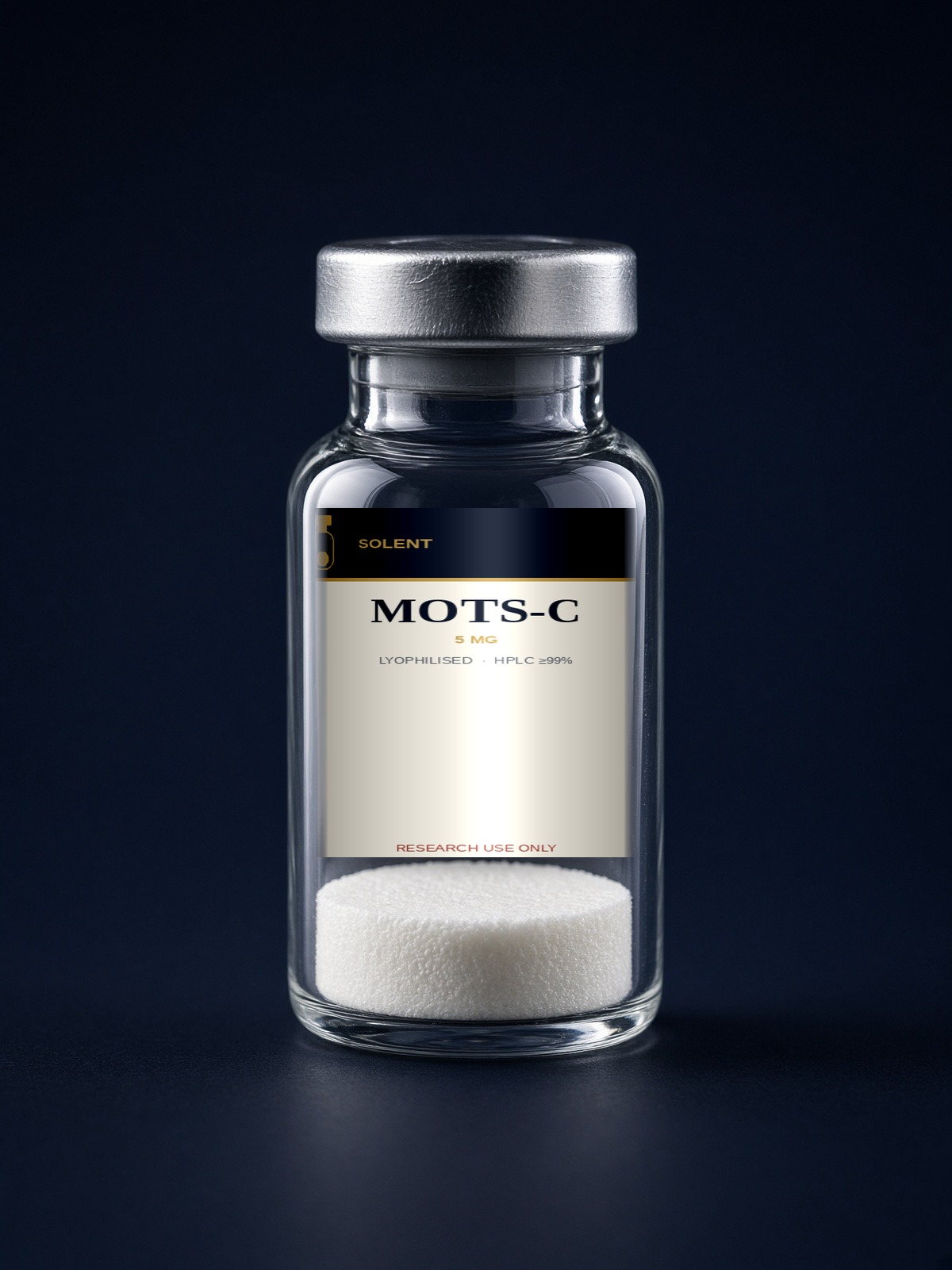
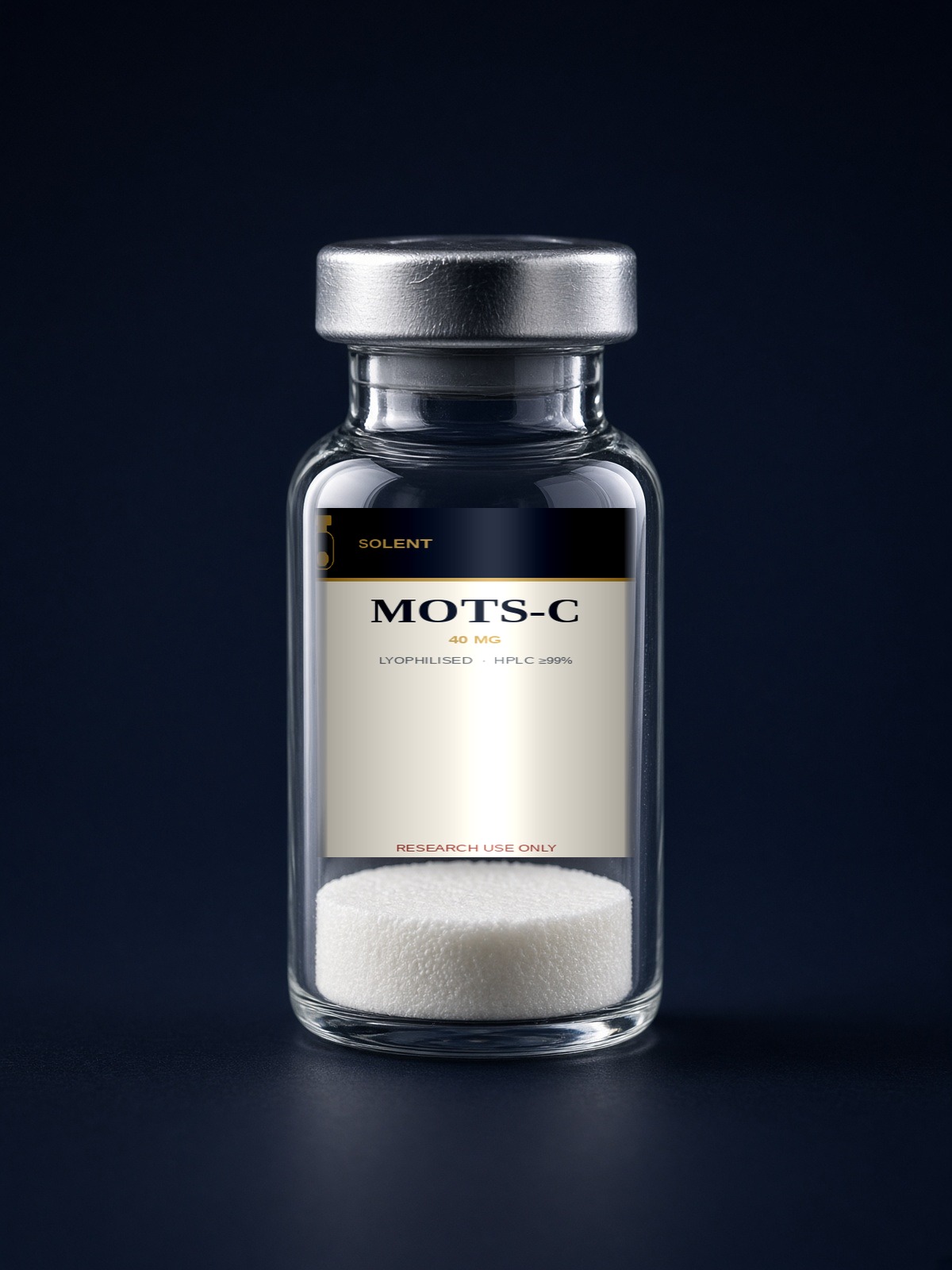
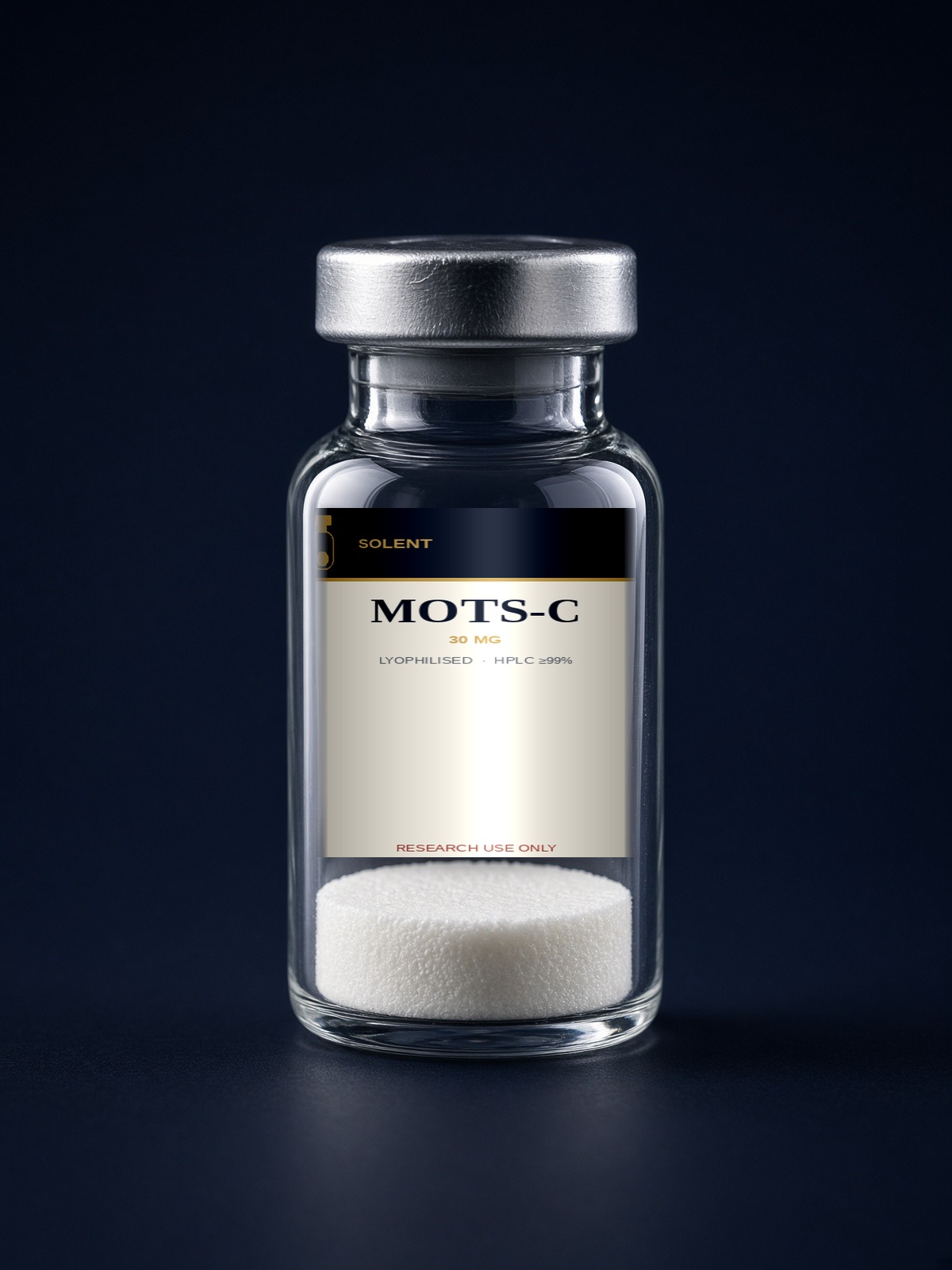
A 16-amino-acid mitochondrial-derived peptide studied in research into metabolic homeostasis and AMPK-pathway signalling in experimental models.
£16.90£16.89
HPLC ≥99% research peptides · Southampton since 2019 · next-day mainland
Catalogue
Defined research chemicals. Lyophilised, batch-tested, and priced below typical UK research suppliers. Laboratory use only.
157 compounds
A 16-amino-acid mitochondrial-derived peptide studied in research into metabolic homeostasis and AMPK-pathway signalling in experimental models.
A synthetic tetrapeptide studied in research into telomerase activity and cellular-senescence pathways in experimental models.
A synthetic heptapeptide derived from ACTH (4–10), studied in research into BDNF expression and neuropeptide-signalling pathways in experimental models.
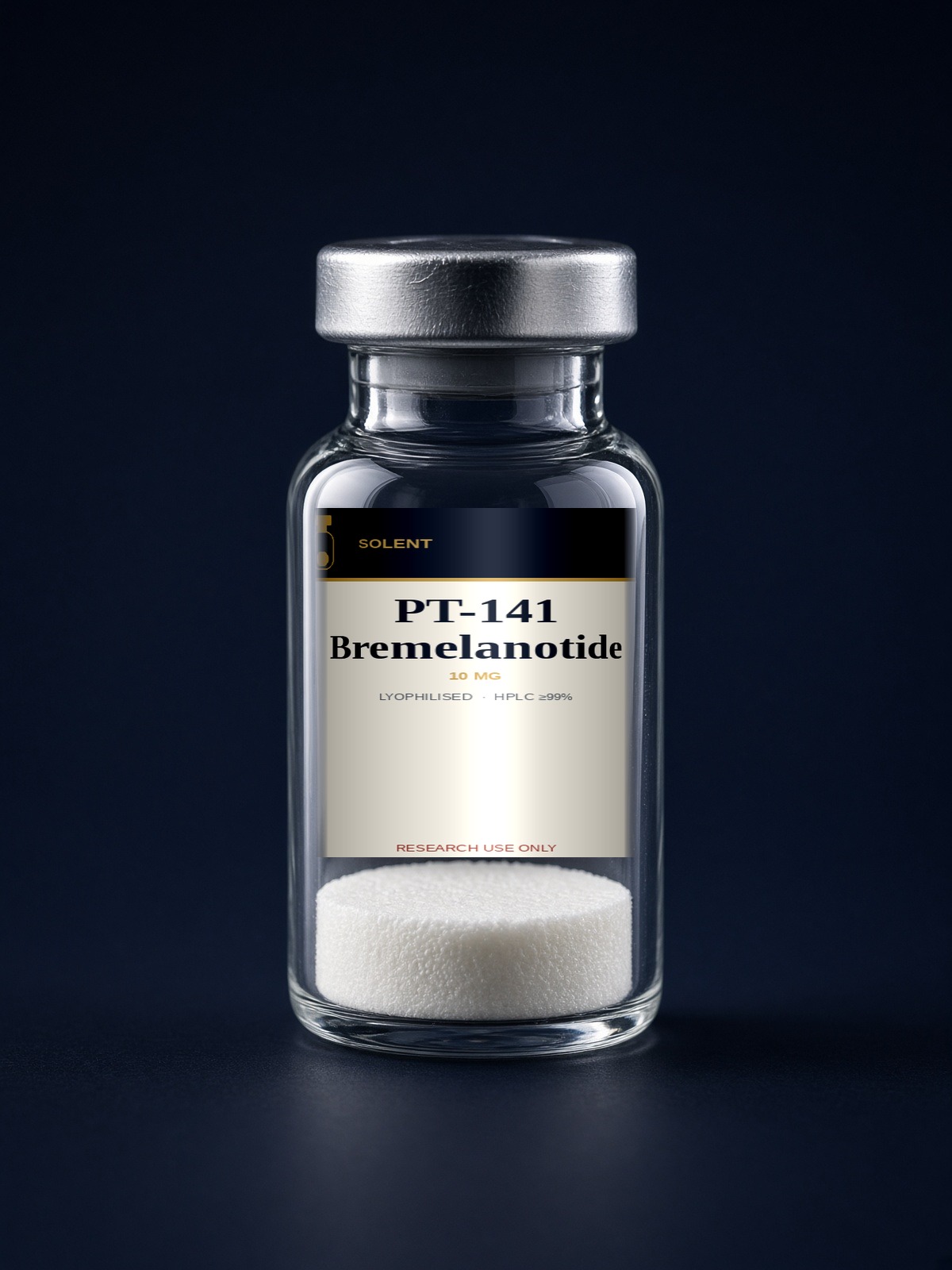
A synthetic melanocortin-receptor agonist studied in research into MC4R signalling pathways in experimental models.

A synthetic cyclic analogue of α-melanocyte-stimulating hormone (α-MSH) studied in research into melanocortin-receptor signalling pathways in experimental models.
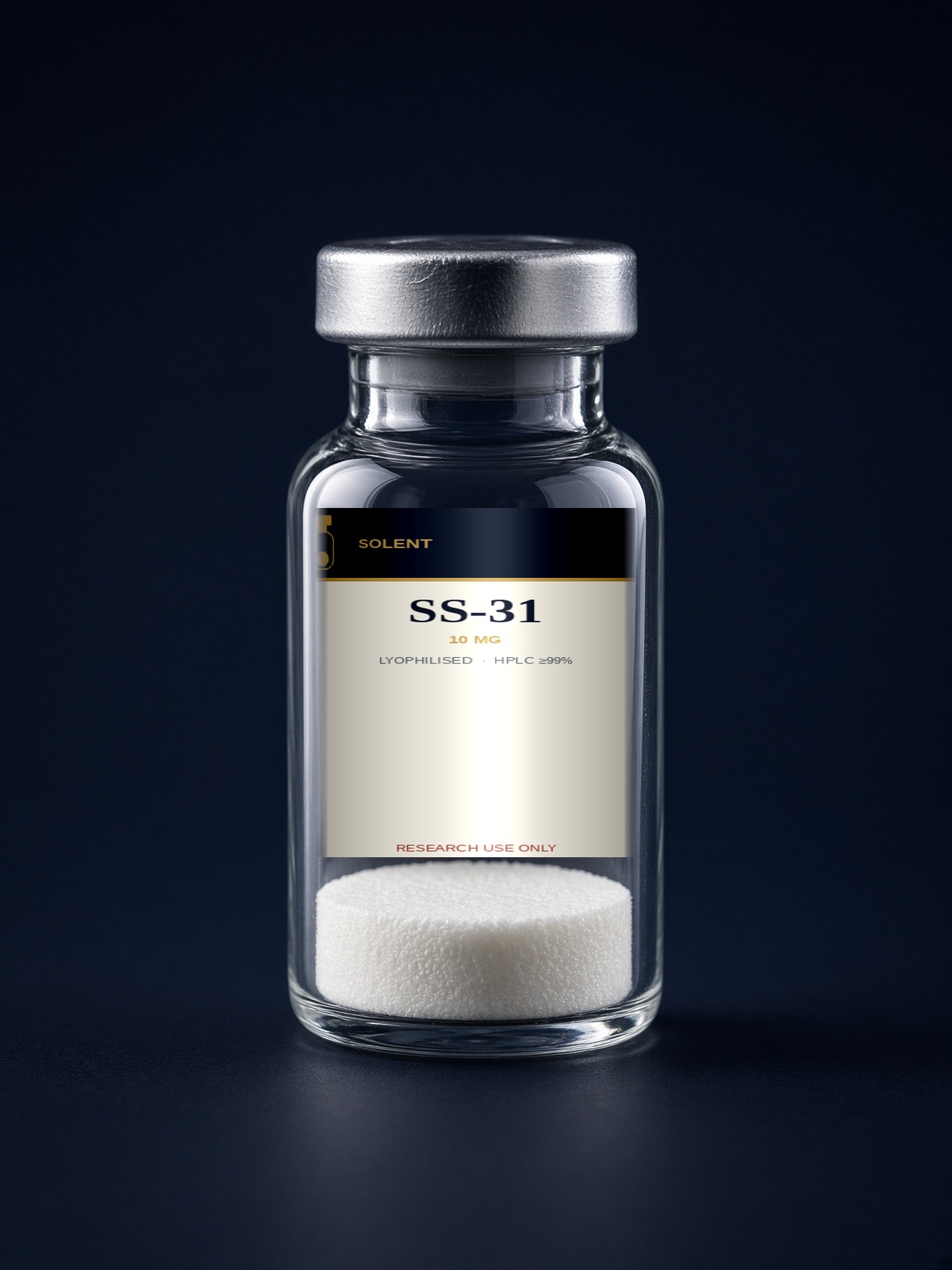
A mitochondria-targeting tetrapeptide studied in research into cardiolipin interactions and mitochondrial-function pathways in experimental models.
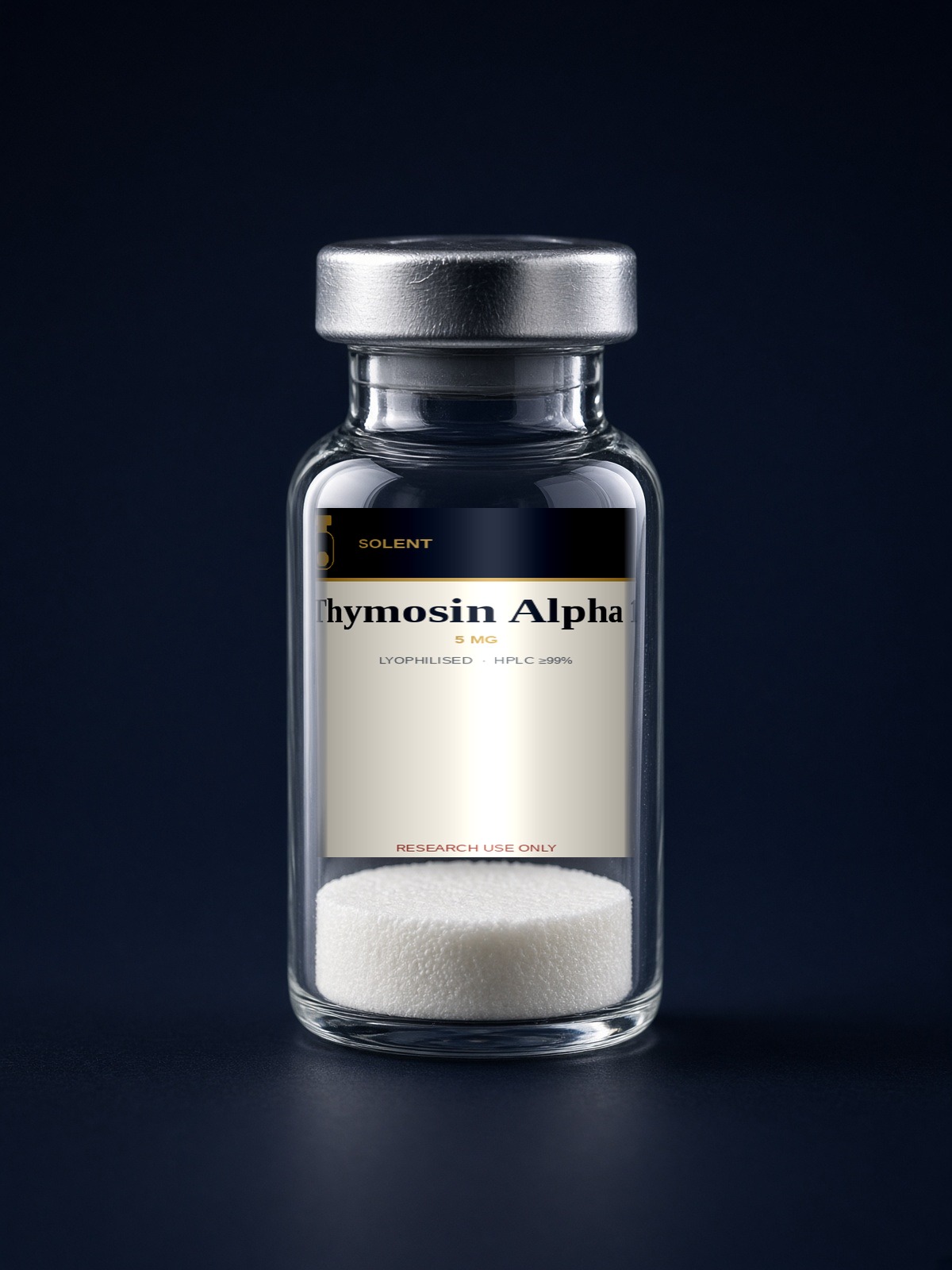
A synthetic 28-amino-acid N-terminally acetylated peptide studied in research into Toll-like-receptor signalling and dendritic-cell activation in experimental models.
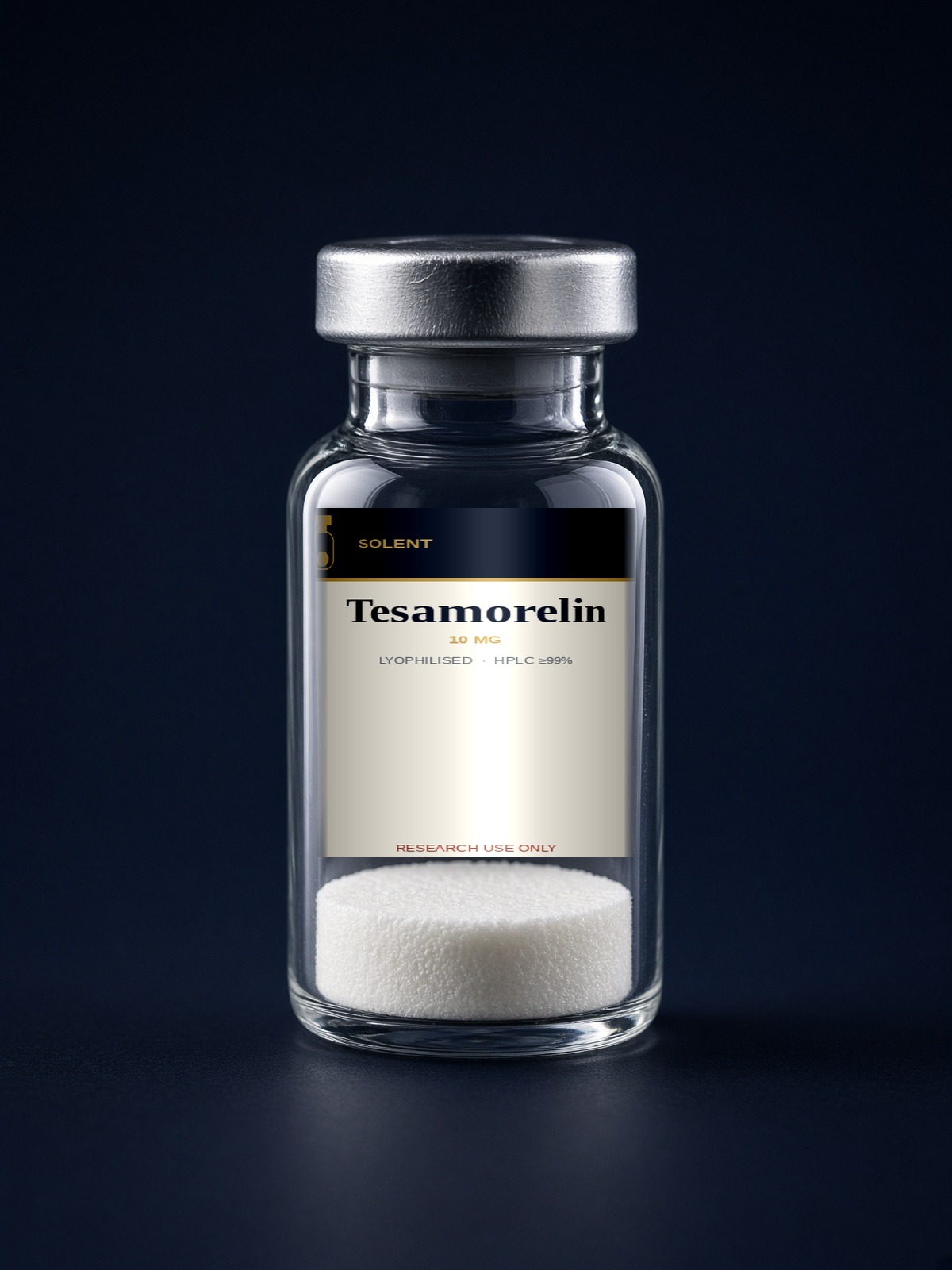
A synthetic growth-hormone-releasing hormone (GHRH) analogue studied in research into GHRH-receptor signalling, the GH axis and metabolic pathways in experimental models.
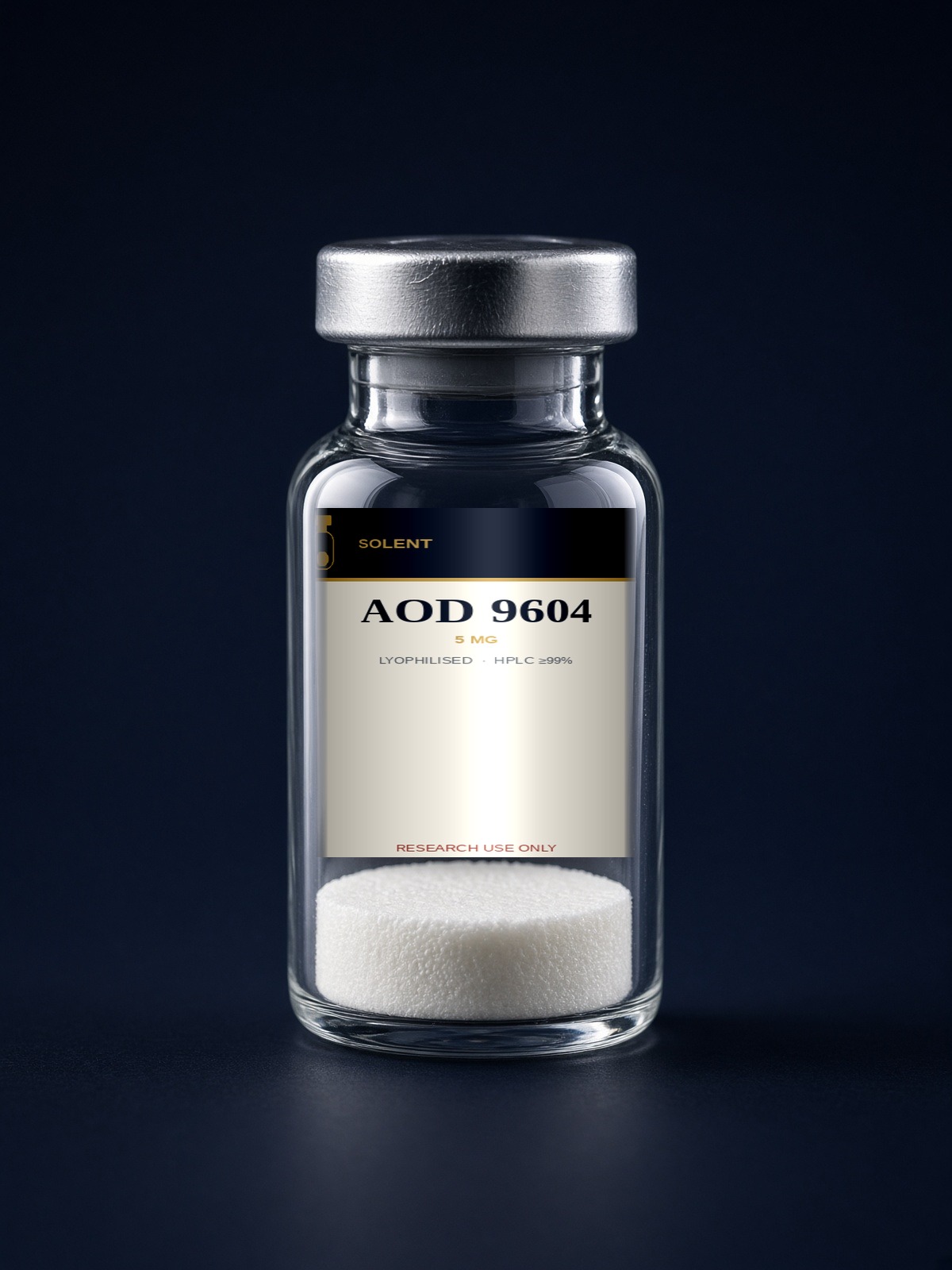
A synthetic peptide fragment of the C-terminal region (residues 176–191) of human growth hormone, studied in research for lipolytic and metabolic-pathway activity in experimental models.
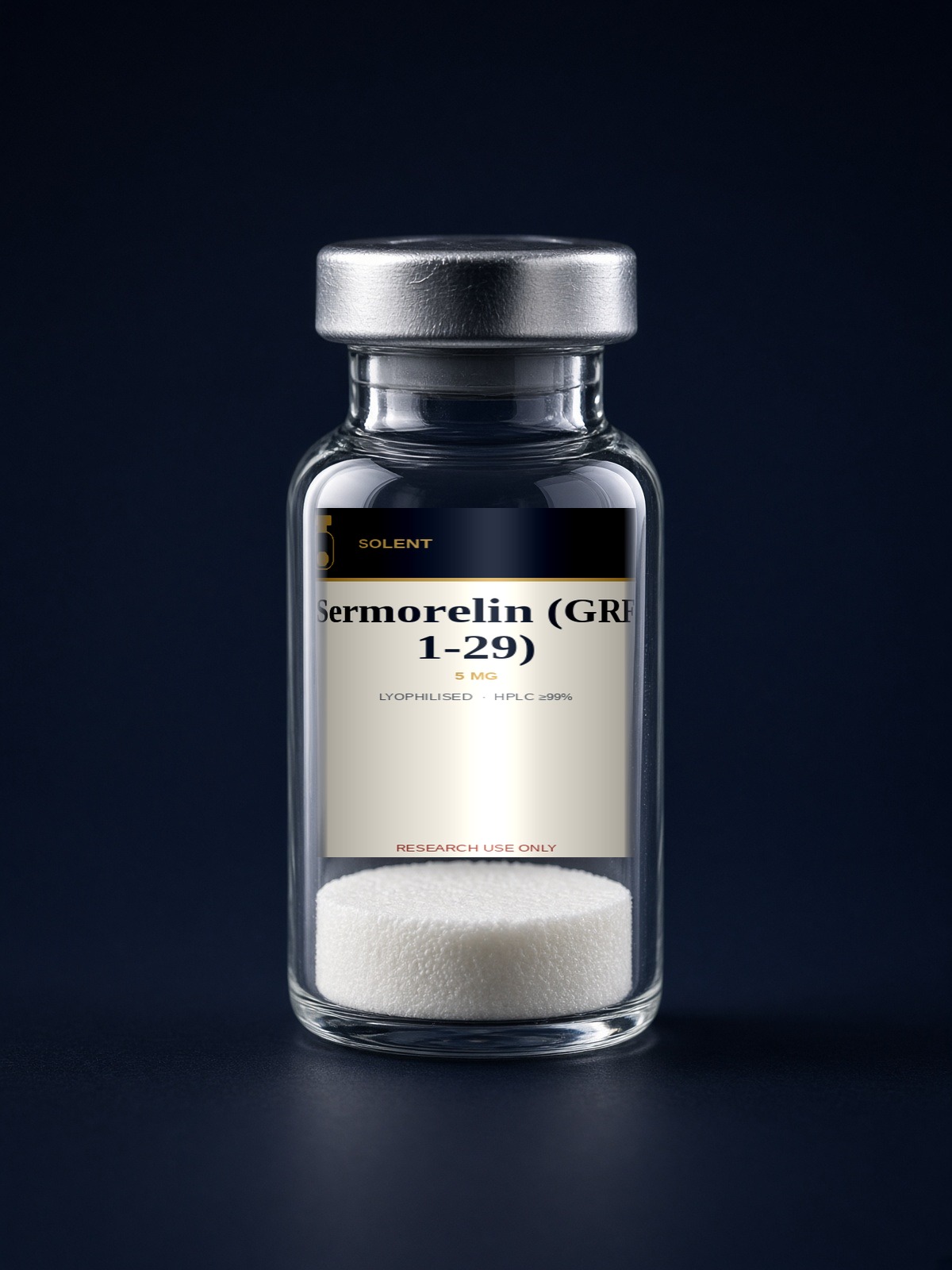
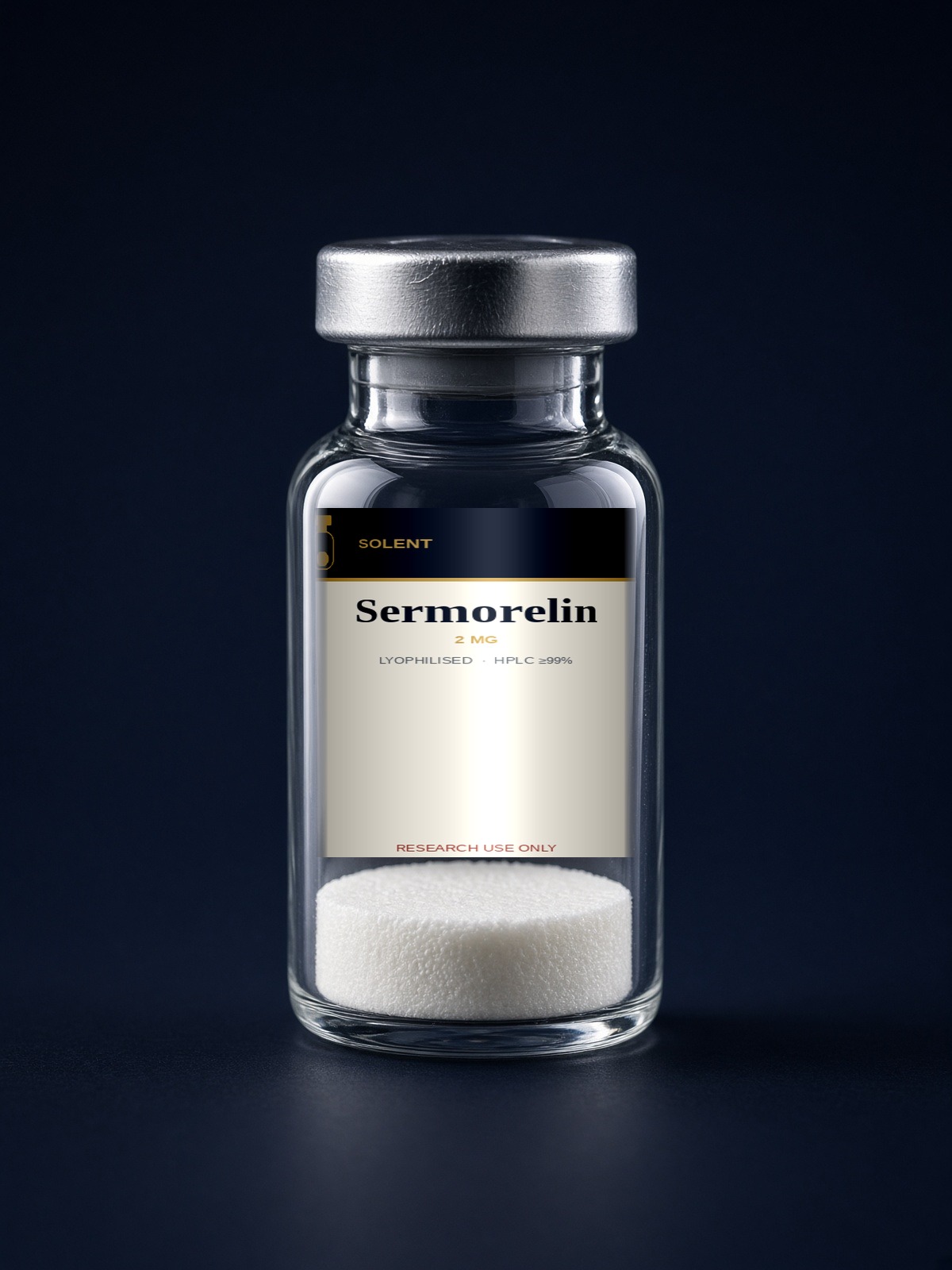
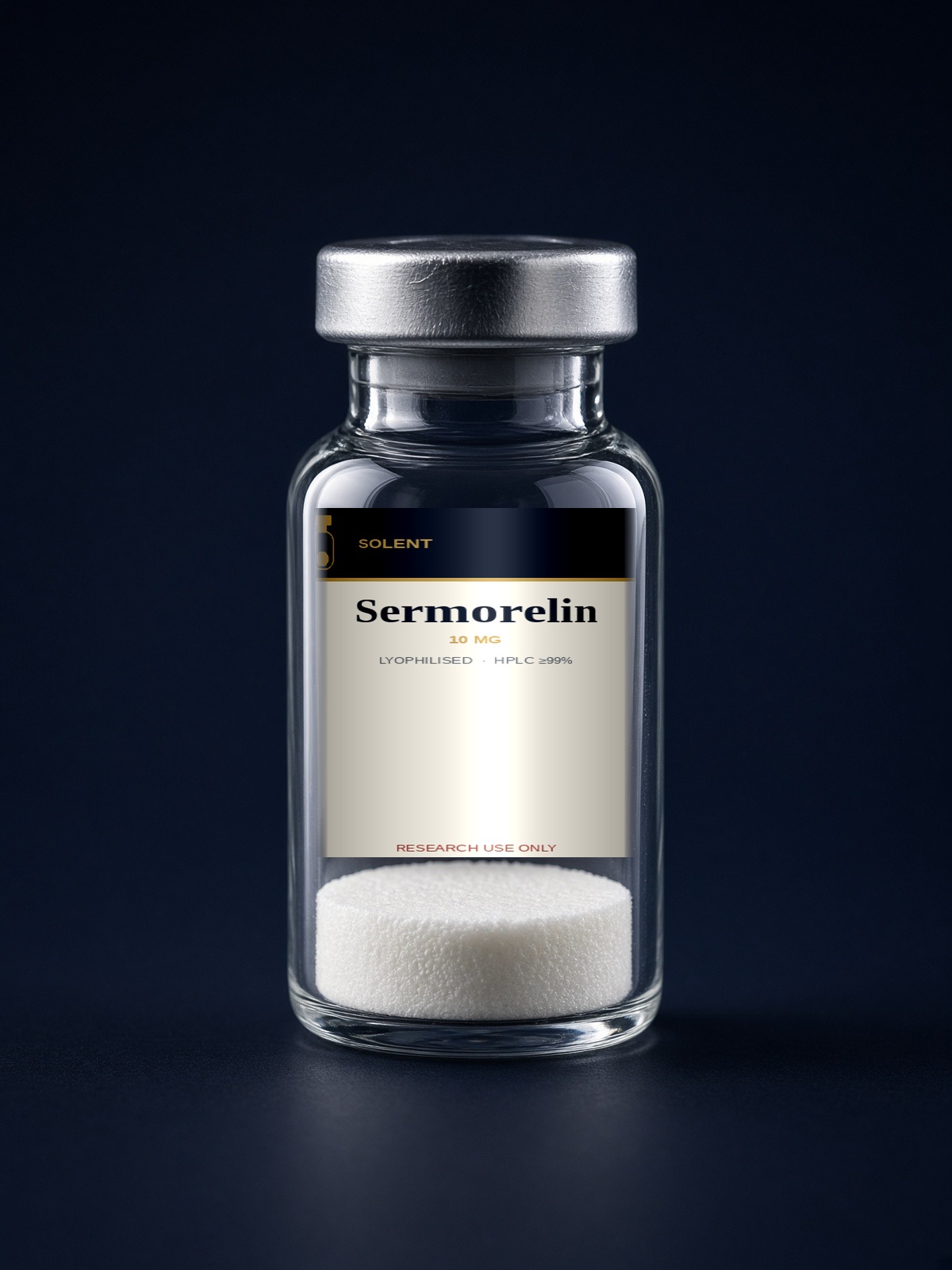
A synthetic analogue of the first 29 amino acids of growth-hormone-releasing hormone (GHRH 1–29), studied in research into GHRH-receptor signalling and the GH axis in experimental models.
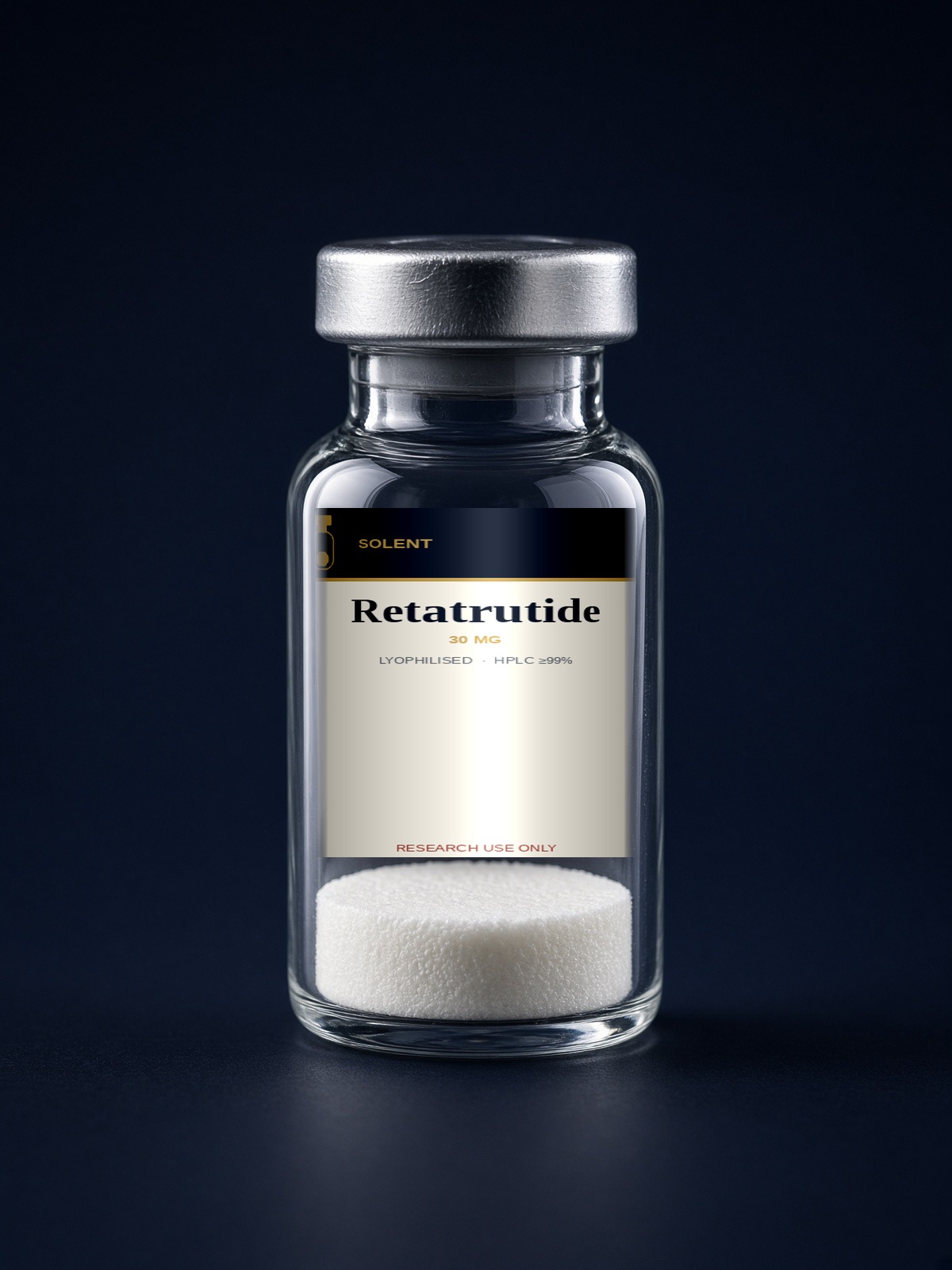
A synthetic lipidated peptide studied as a triple agonist of the GLP-1, GIP and glucagon receptors in experimental models.
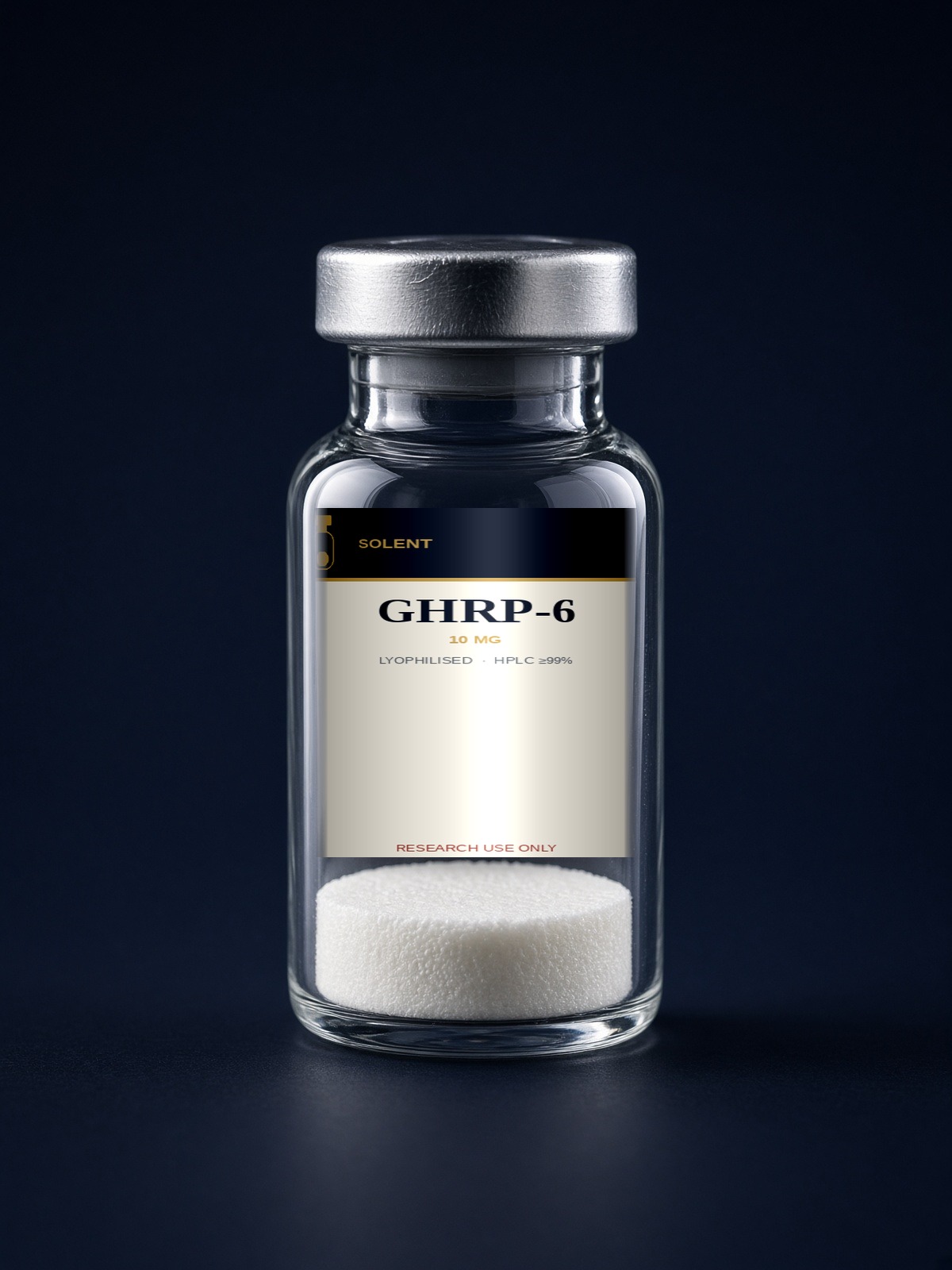
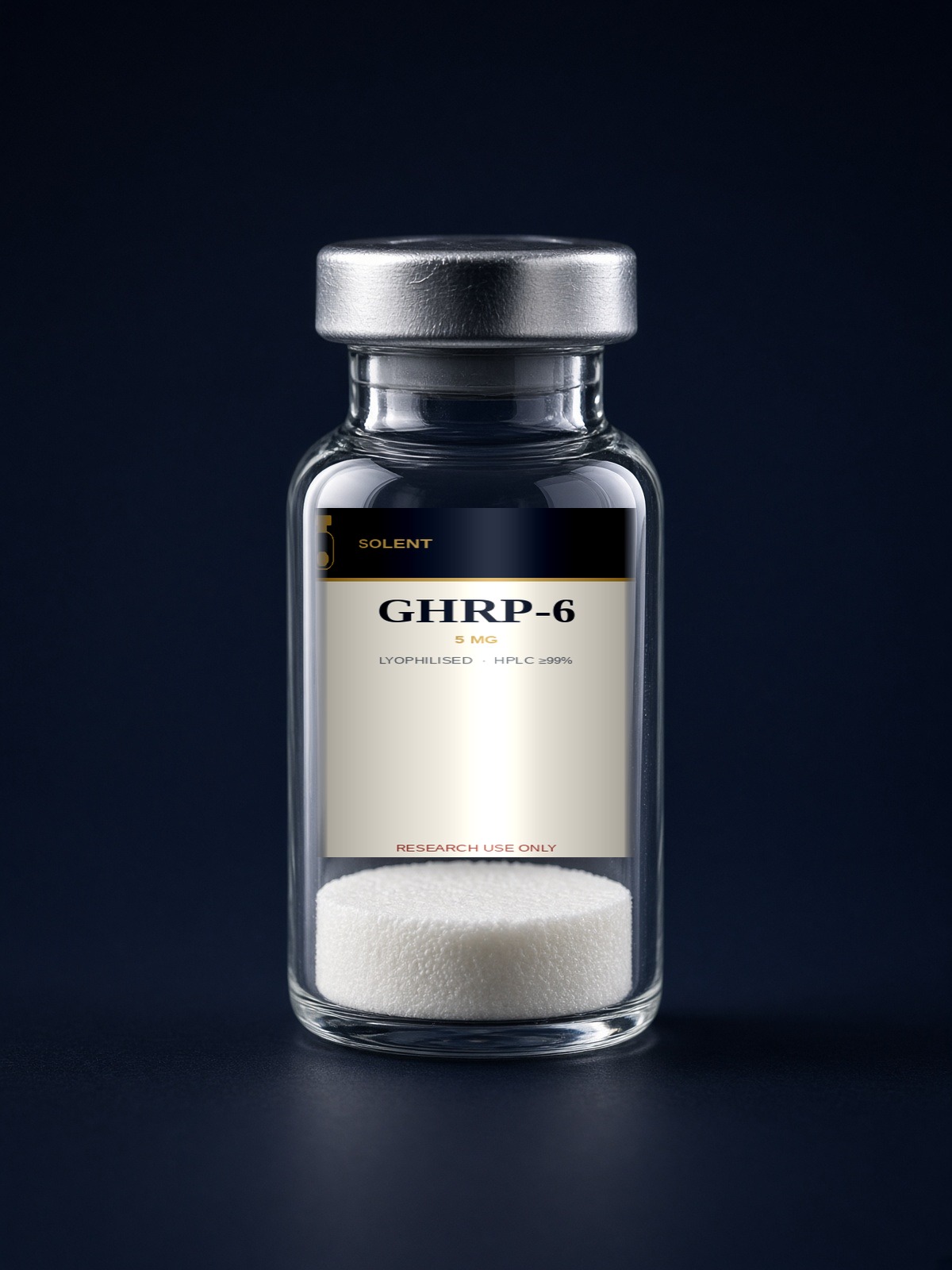
A synthetic growth-hormone-releasing hexapeptide studied in research into ghrelin and GHS-receptor signalling within GH-axis models.
A coenzyme studied in research into cellular-energy metabolism and sirtuin-pathway signalling in experimental models. Not a peptide.
A synthetic pentadecapeptide derived from a gastric-juice protein fragment, studied in experimental models of tissue-protection and angiogenesis pathways.
10 mg lyophilised BPC-157 for laboratories that prefer a larger working aliquot of this pentadecapeptide reference material.
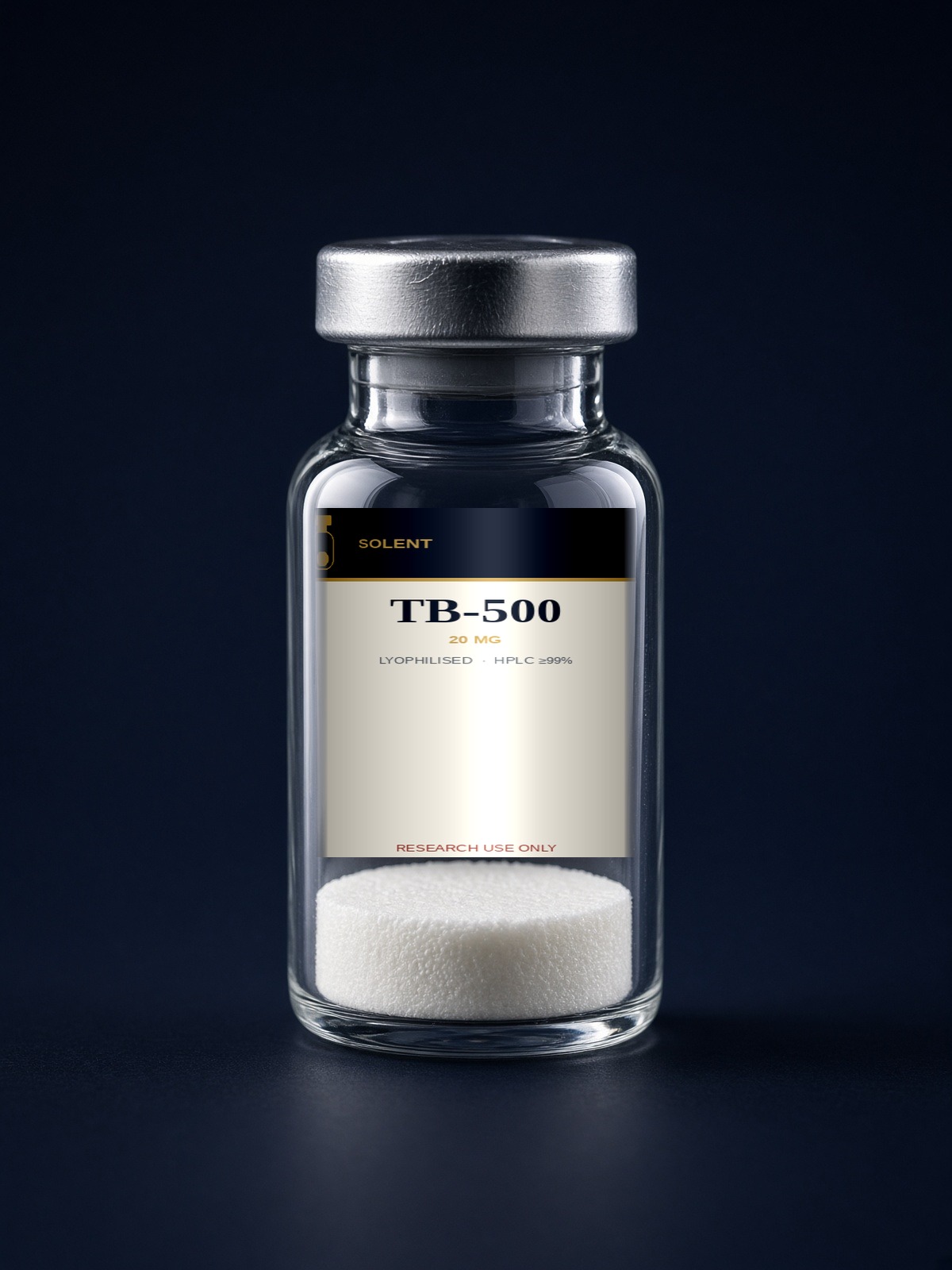
A synthetic fragment of thymosin beta-4 studied in research into actin-binding, cell-migration and tissue-repair pathways in experimental models.
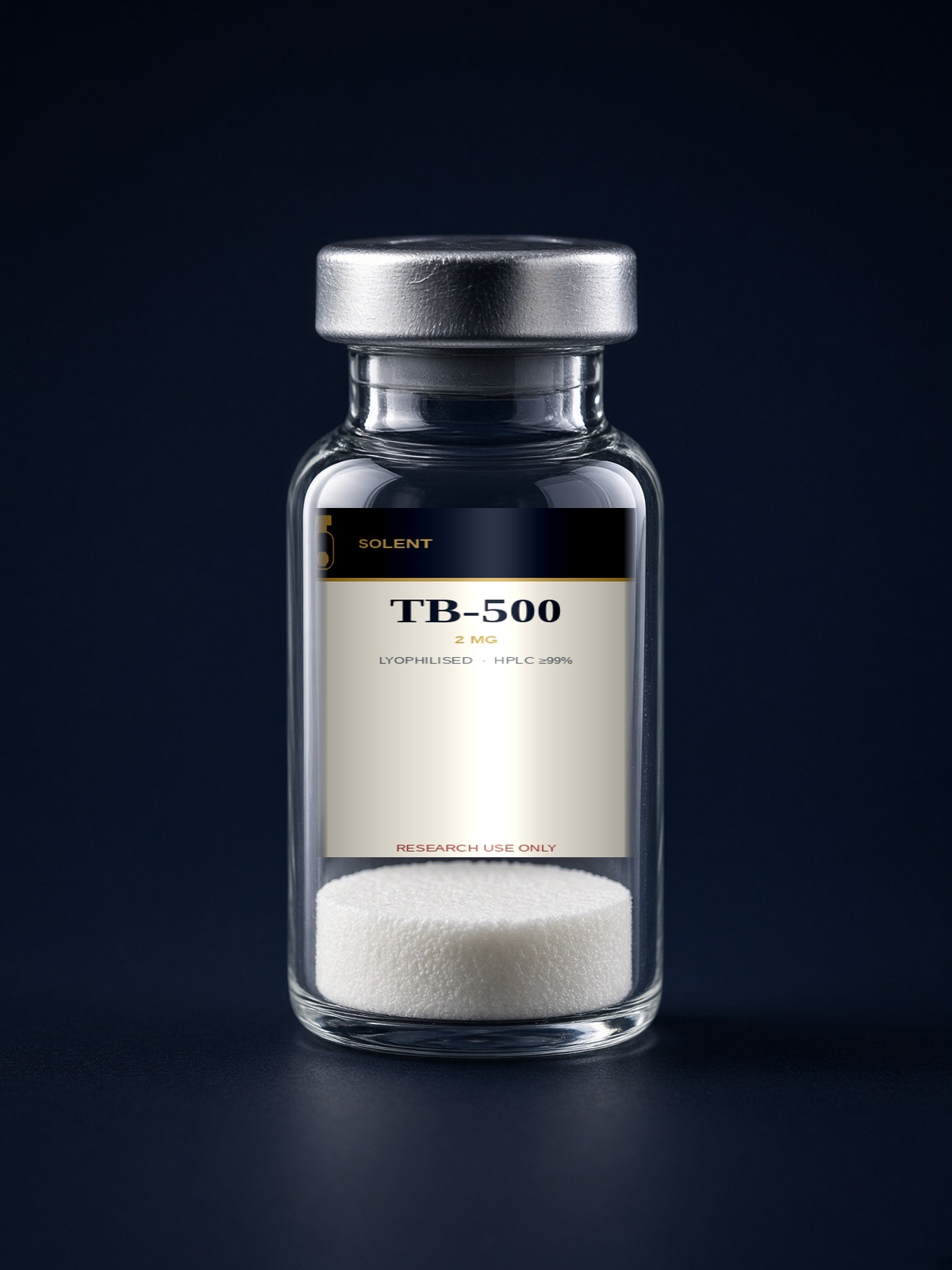
2 mg lyophilised TB-500 (thymosin beta-4 fragment) for smaller-scale laboratory work.
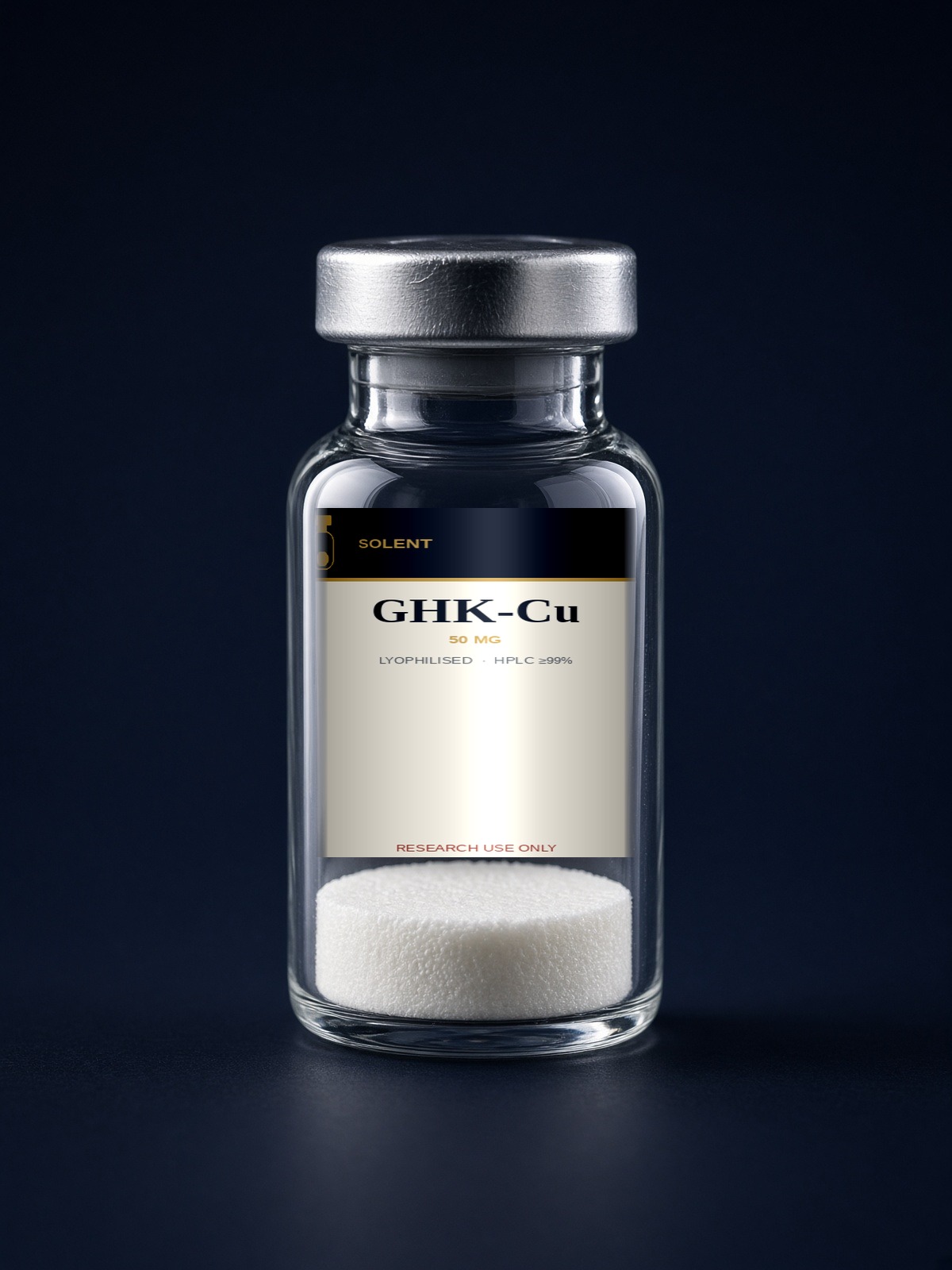
The copper(II) complex of the tripeptide GHK, studied in research into extracellular-matrix signalling and skin-model biochemistry.
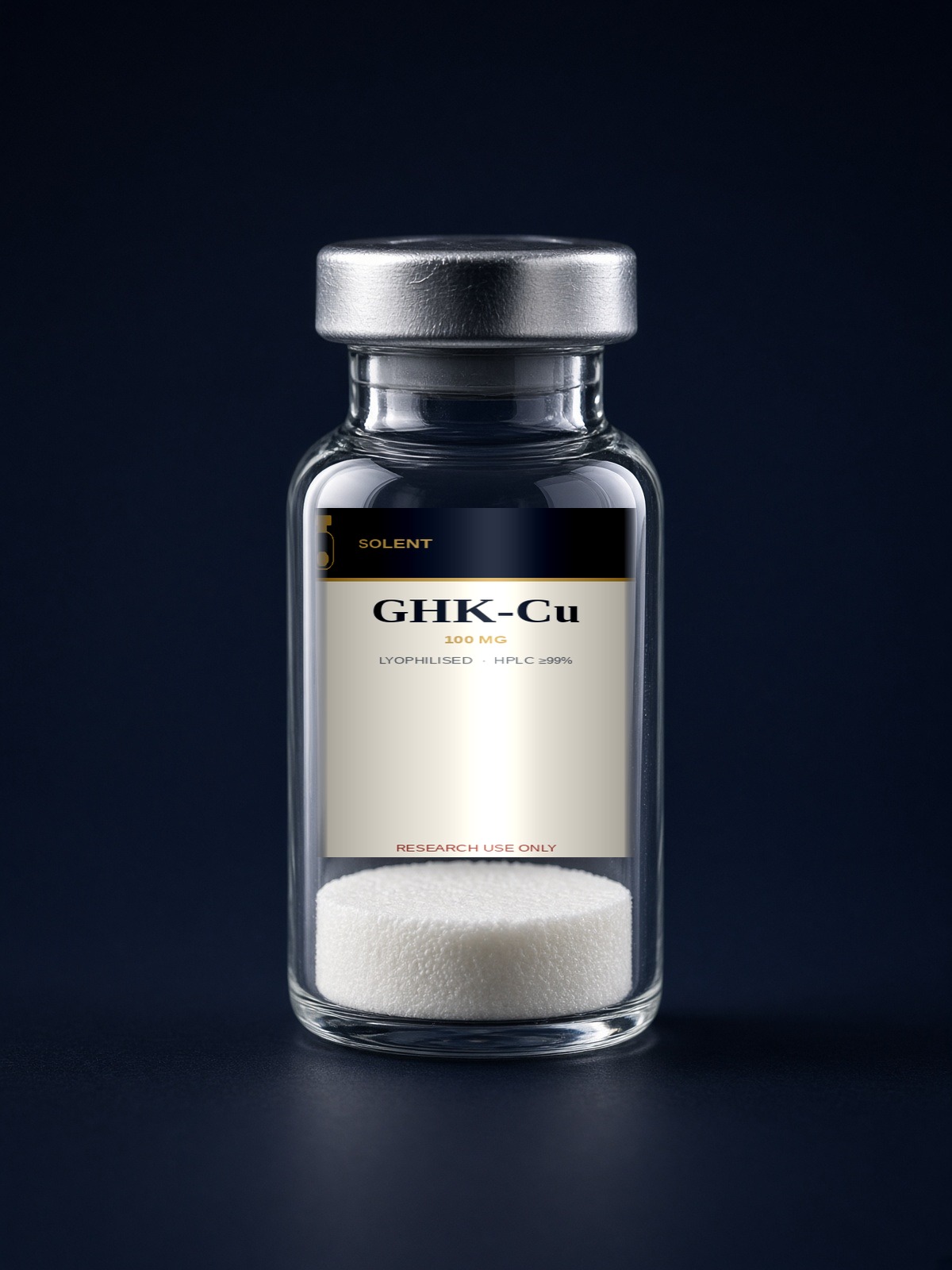
100 mg GHK-Cu copper tripeptide for laboratories needing a larger lyophilised stock of this reference complex.
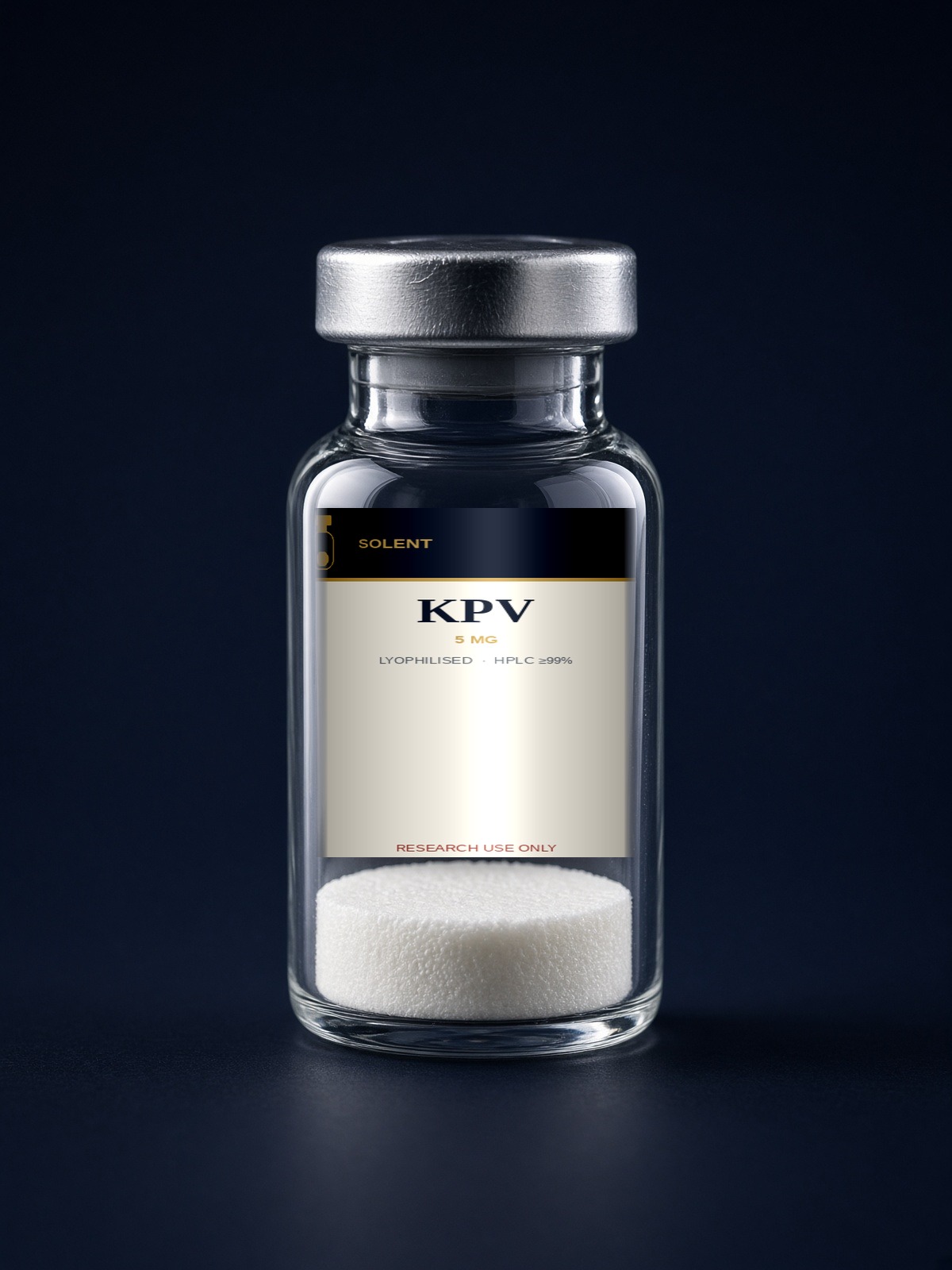
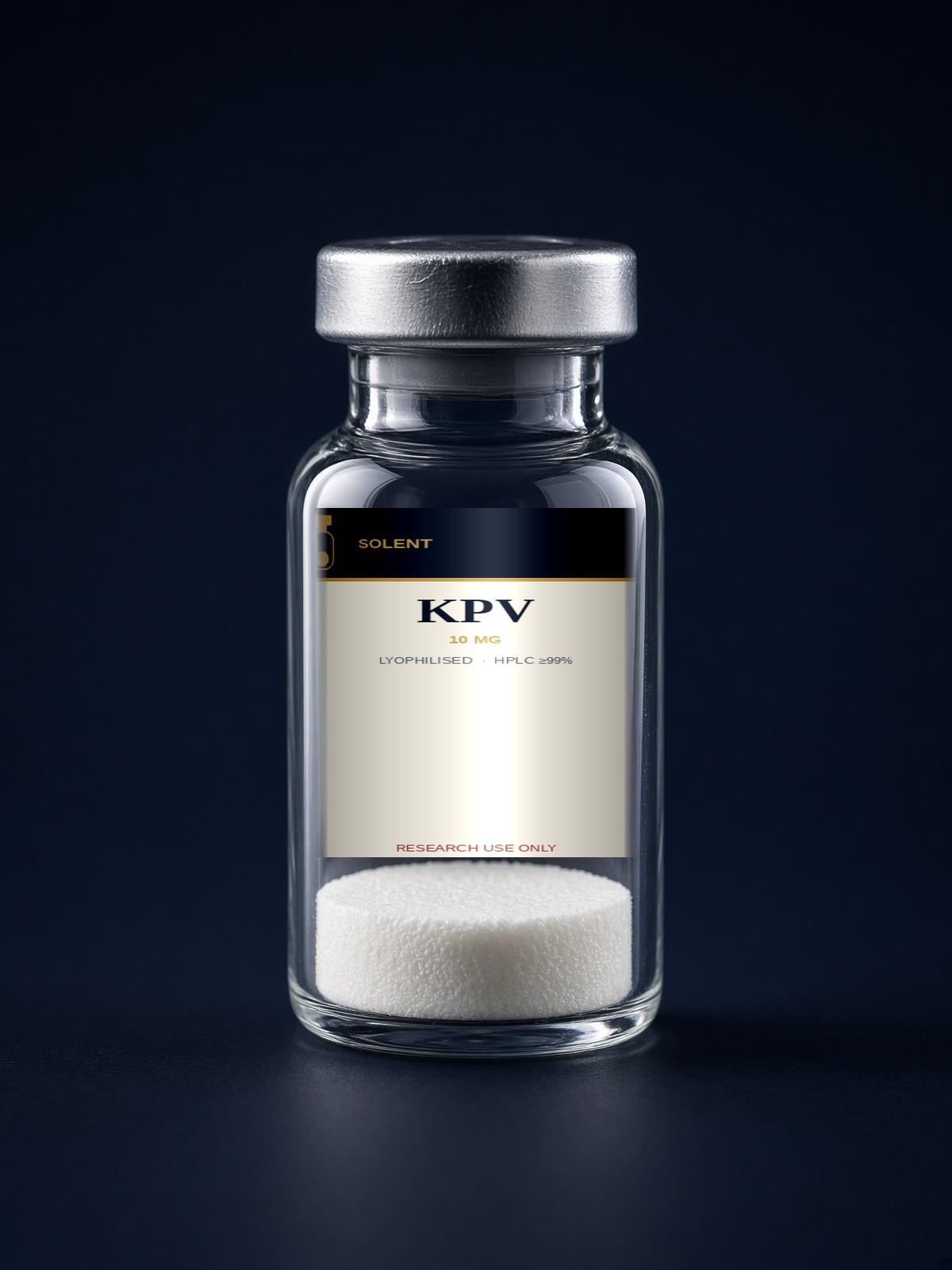
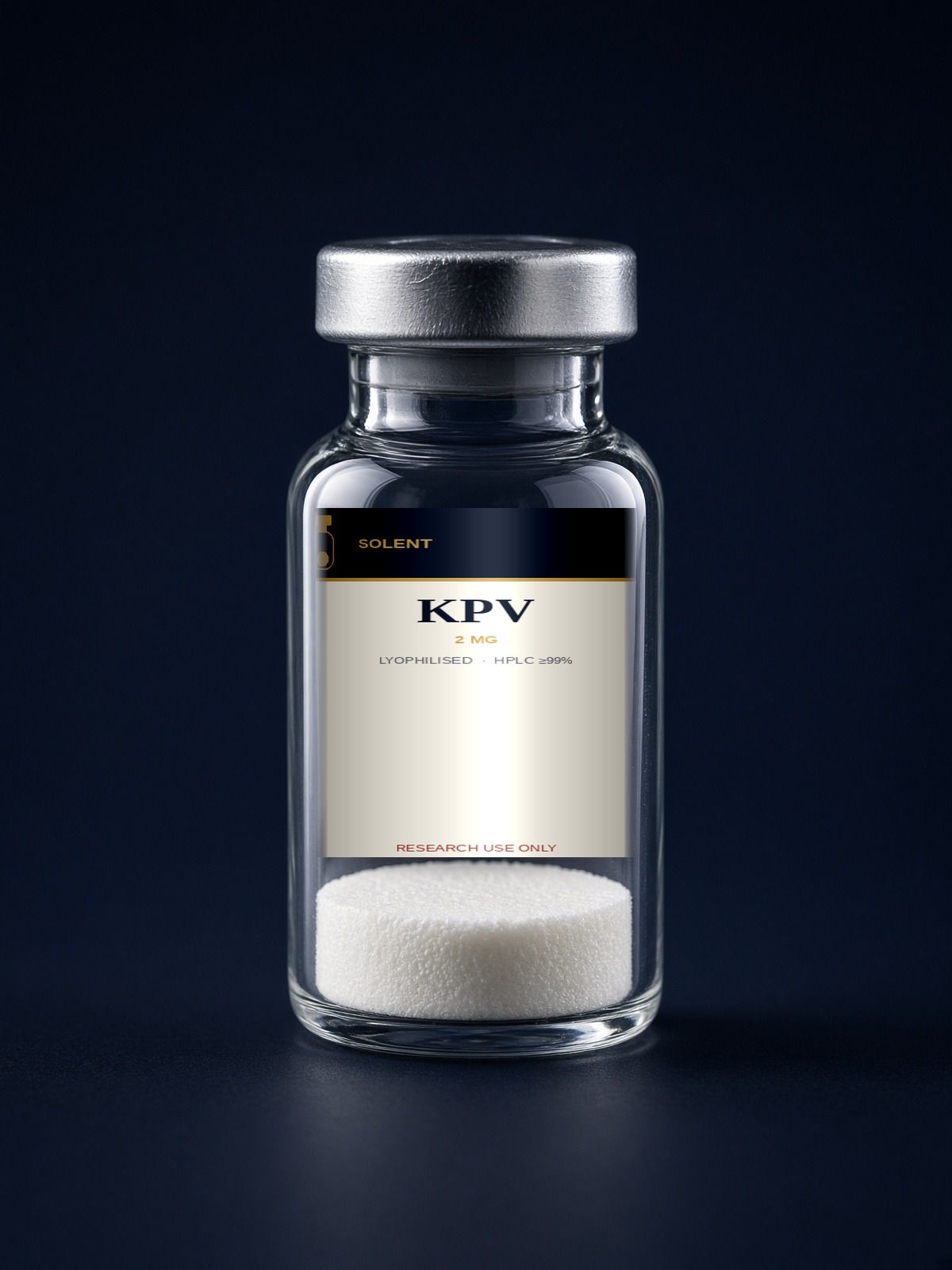
The C-terminal tripeptide of α-MSH (Lys-Pro-Val), studied in experimental models of melanocortin and inflammatory-signalling pathways.
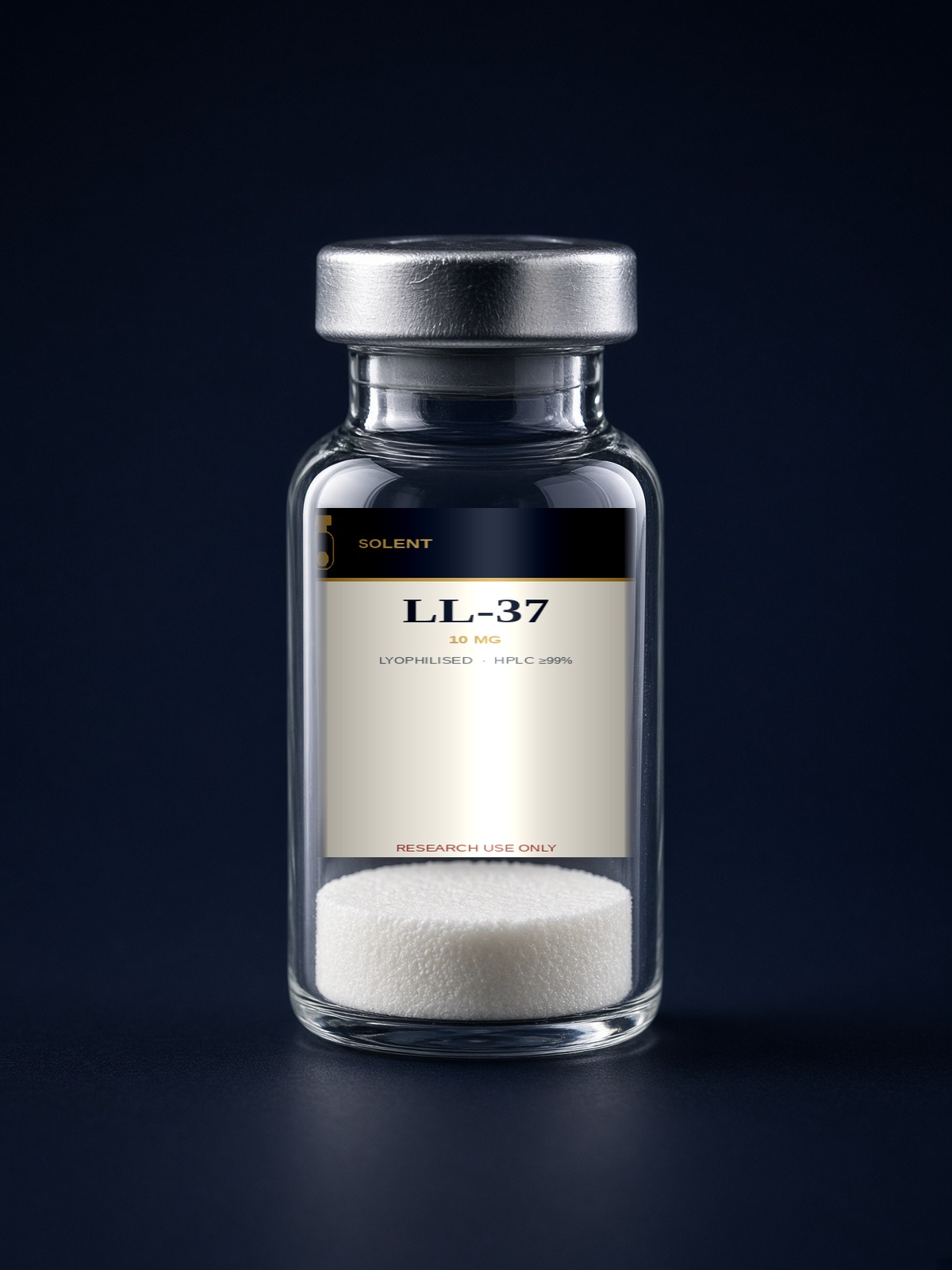
A 37-residue human cathelicidin peptide studied in research into host-defence and membrane-interaction models.
A selective pentapeptide growth-hormone secretagogue-receptor agonist studied in GH-axis signalling models.
2 mg lyophilised ipamorelin for smaller GH-axis laboratory protocols.
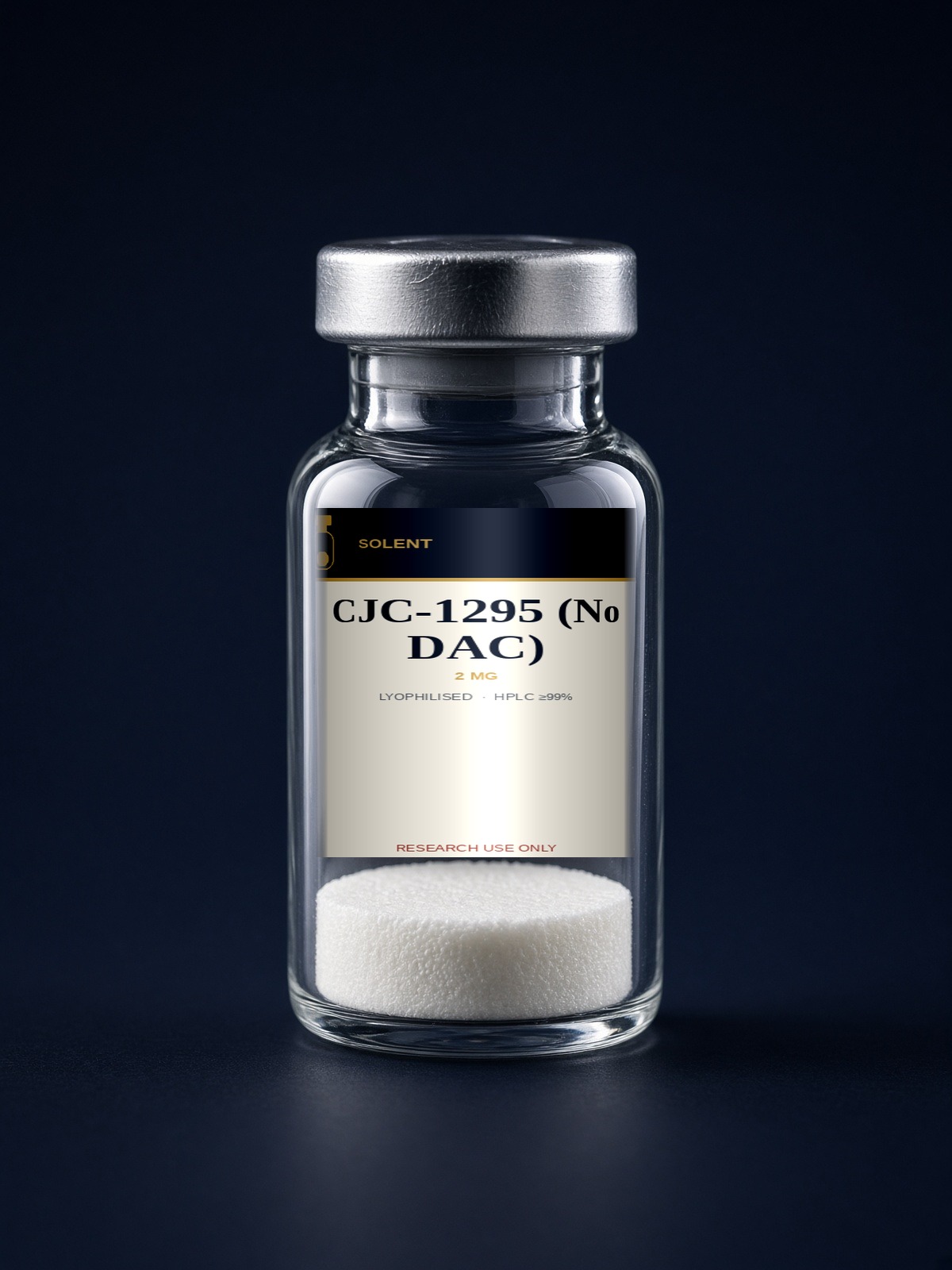
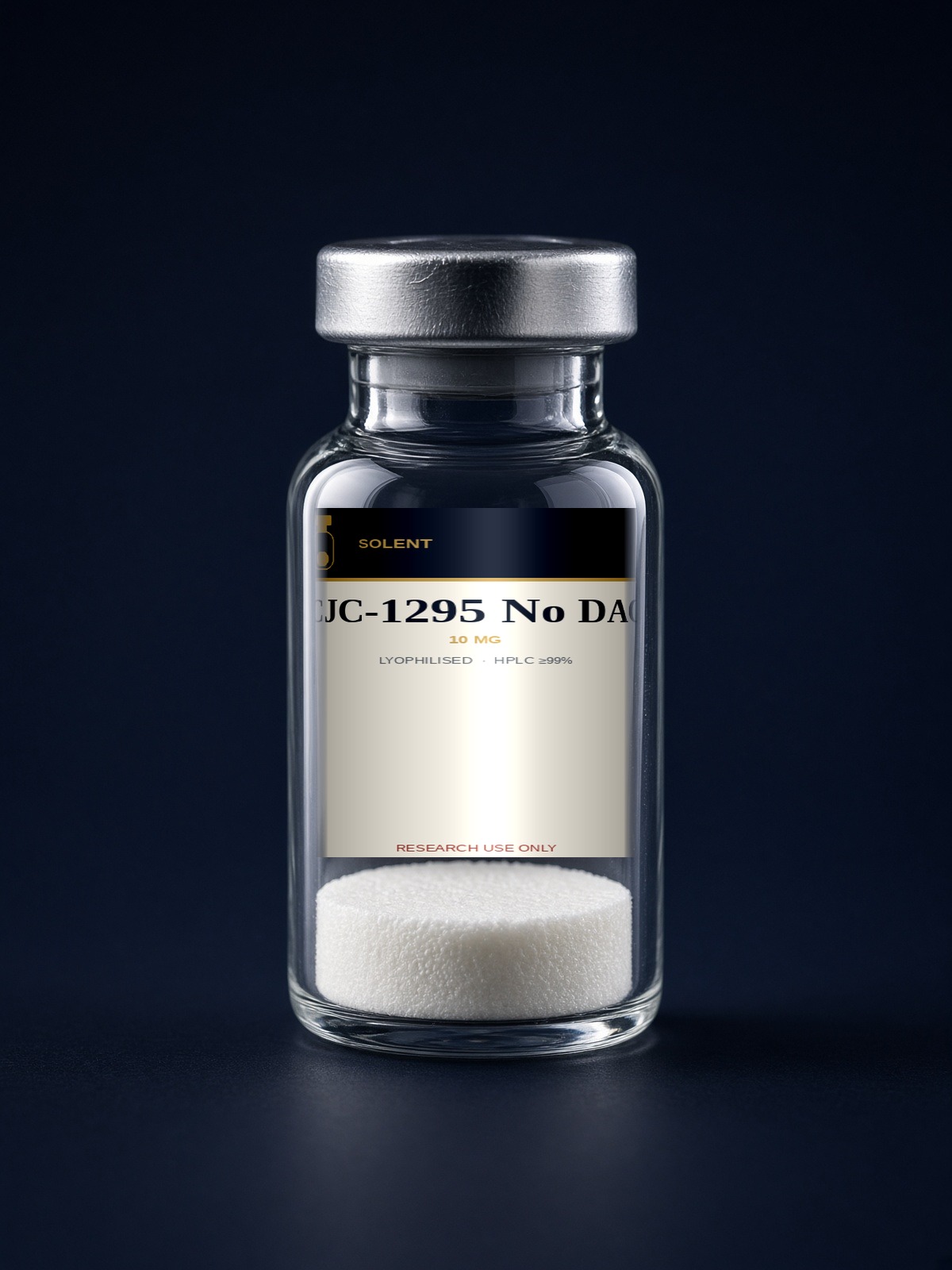
A 29-residue GHRH analogue (modified GRF 1-29) without Drug Affinity Complex, studied in GH-axis receptor models.
CJC-1295 with Drug Affinity Complex, a GHRH analogue studied in extended GH-axis signalling research.
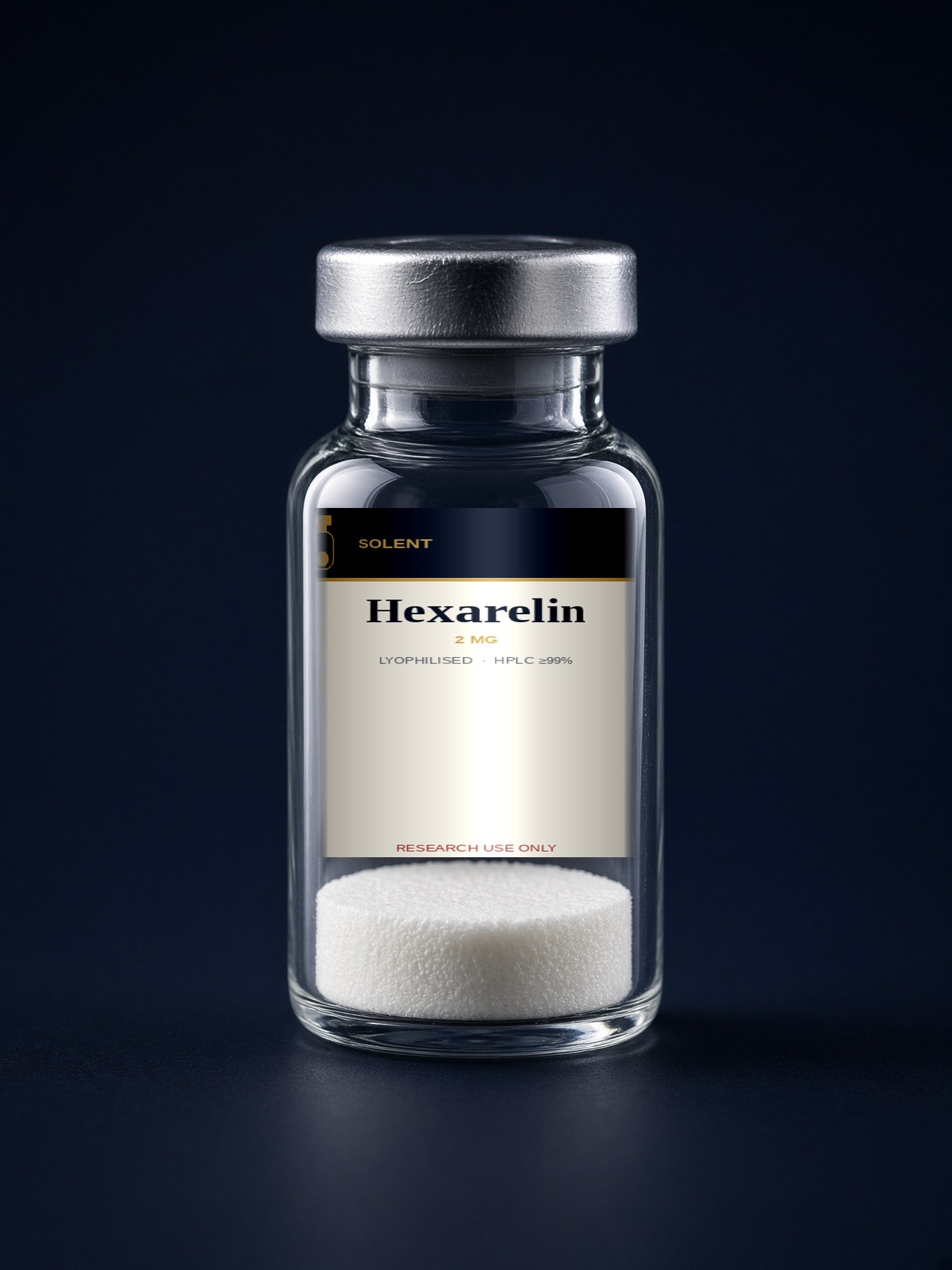
A synthetic hexapeptide growth-hormone secretagogue studied at the ghrelin/GHS receptor in experimental models.
A hexapeptide GHS-receptor ligand studied in growth-hormone secretagogue research models.
A recombinant analogue of insulin-like growth factor 1 with an N-terminal extension and Arg3 substitution, supplied as a research protein.
A pegylated analogue of mechano growth factor (IGF-1 Ec) studied in muscle-repair signalling models.
A synthetic analogue of tuftsin studied in research into GABAergic and anxiolytic-pathway models.
A nonapeptide originally isolated from cerebral venous blood, studied in sleep-regulation and neuromodulation models.
An angiotensin IV-related oligopeptide studied in hepatocyte-growth-factor/c-Met signalling models.
A neurotrophic peptide derivative studied in experimental models of neuronal signalling and CNTF-pathway research.
A Semax analogue bearing an N-terminal adamantane modification, studied in neuropeptide-signalling research.
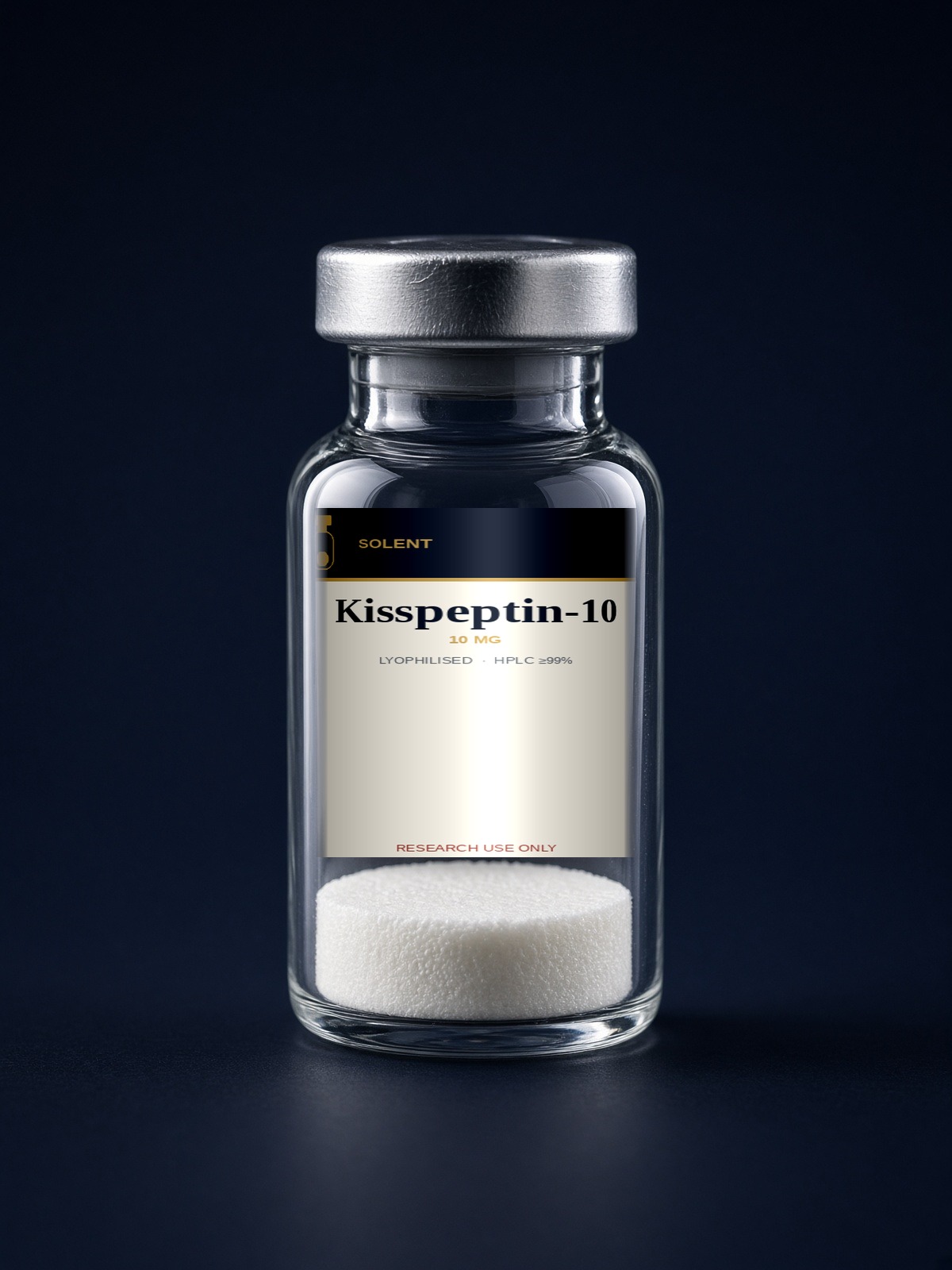
The C-terminal decapeptide of kisspeptin, studied as a GPR54/KISS1R ligand in reproductive-axis research models.
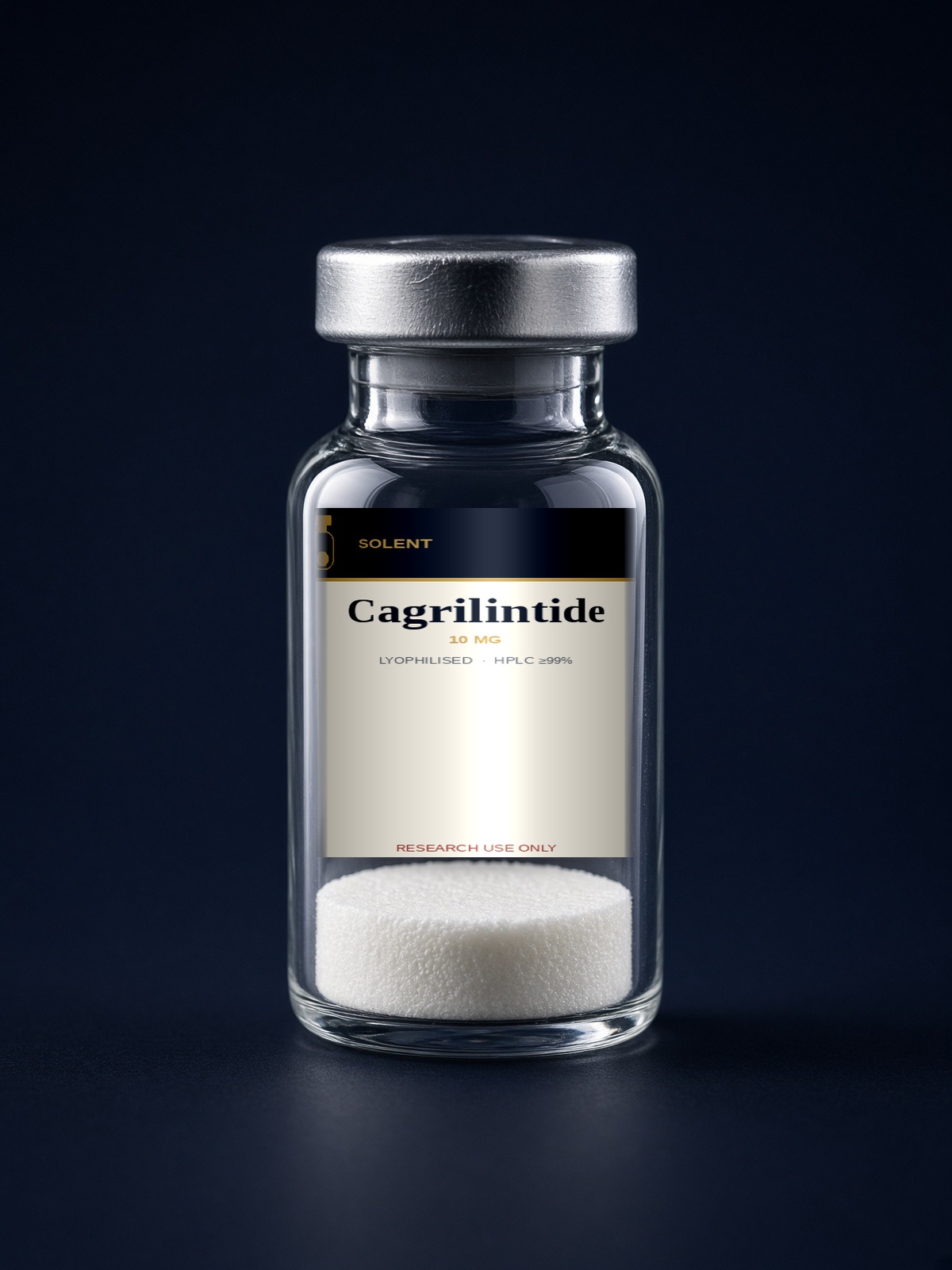
A long-acting amylin-analogue peptide studied in metabolic and satiety-pathway receptor models. Research chemical only.
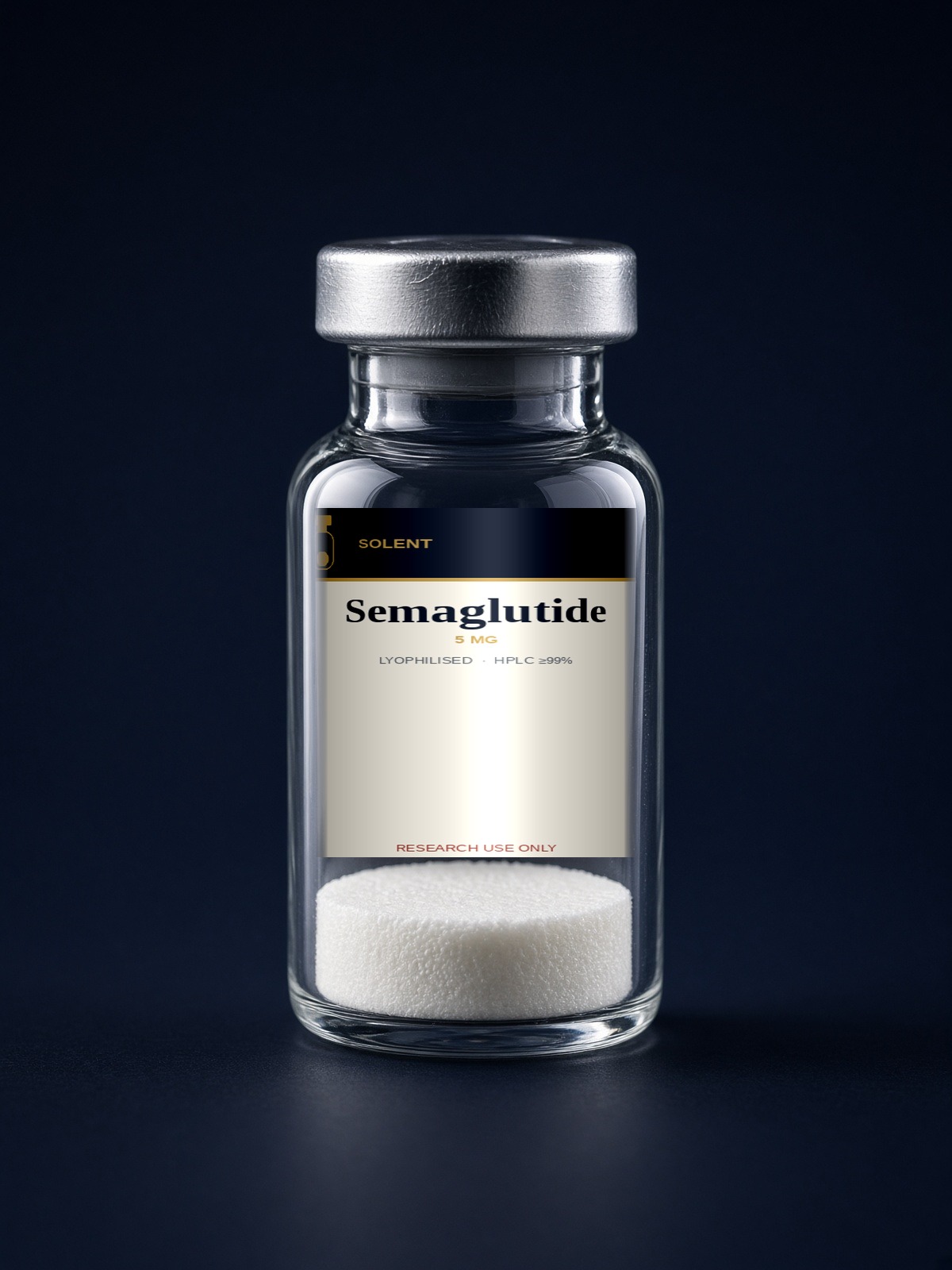
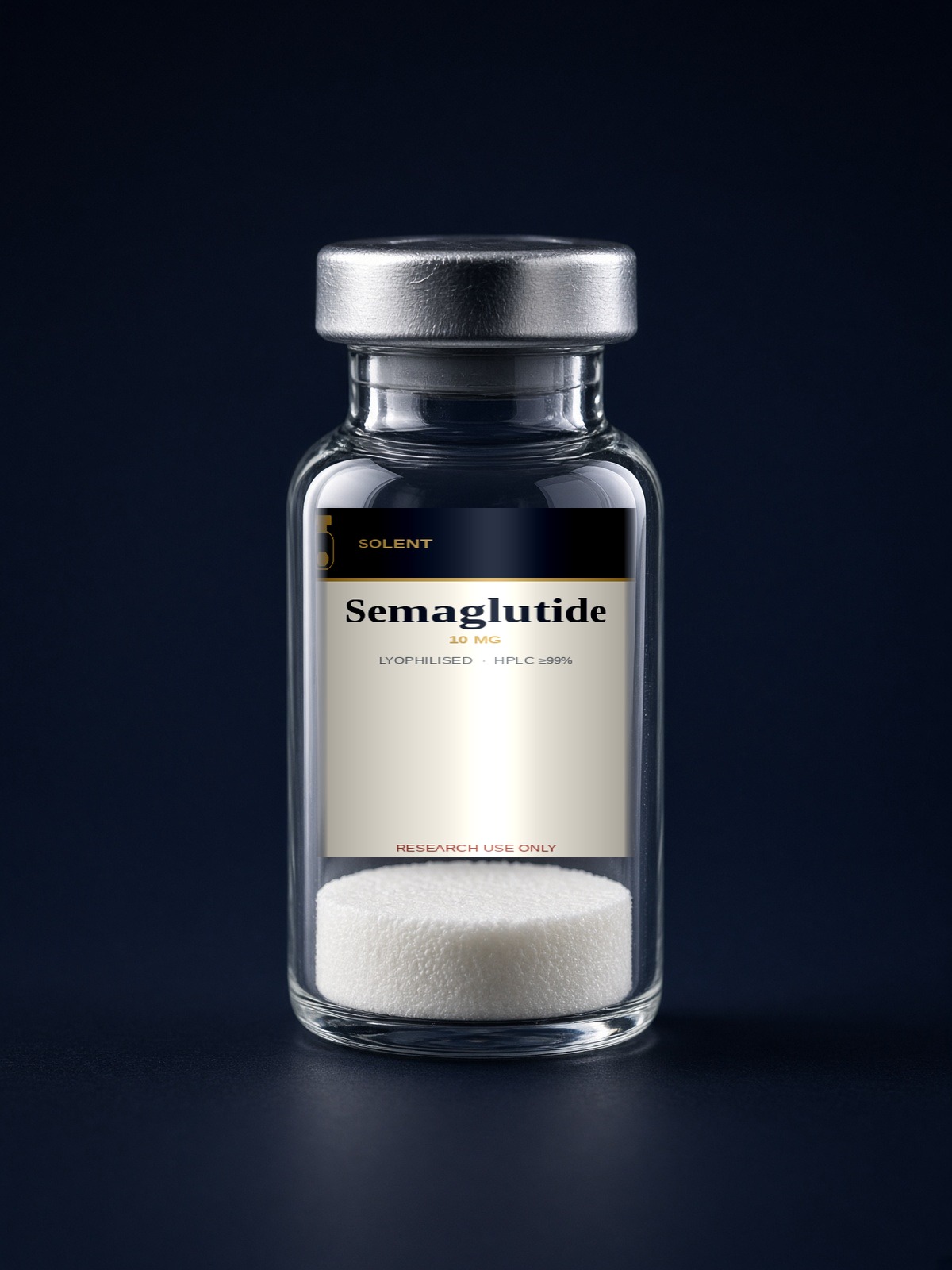
A lipidated GLP-1 receptor agonist peptide supplied strictly as a lyophilised laboratory reference compound — not a licensed medicine.
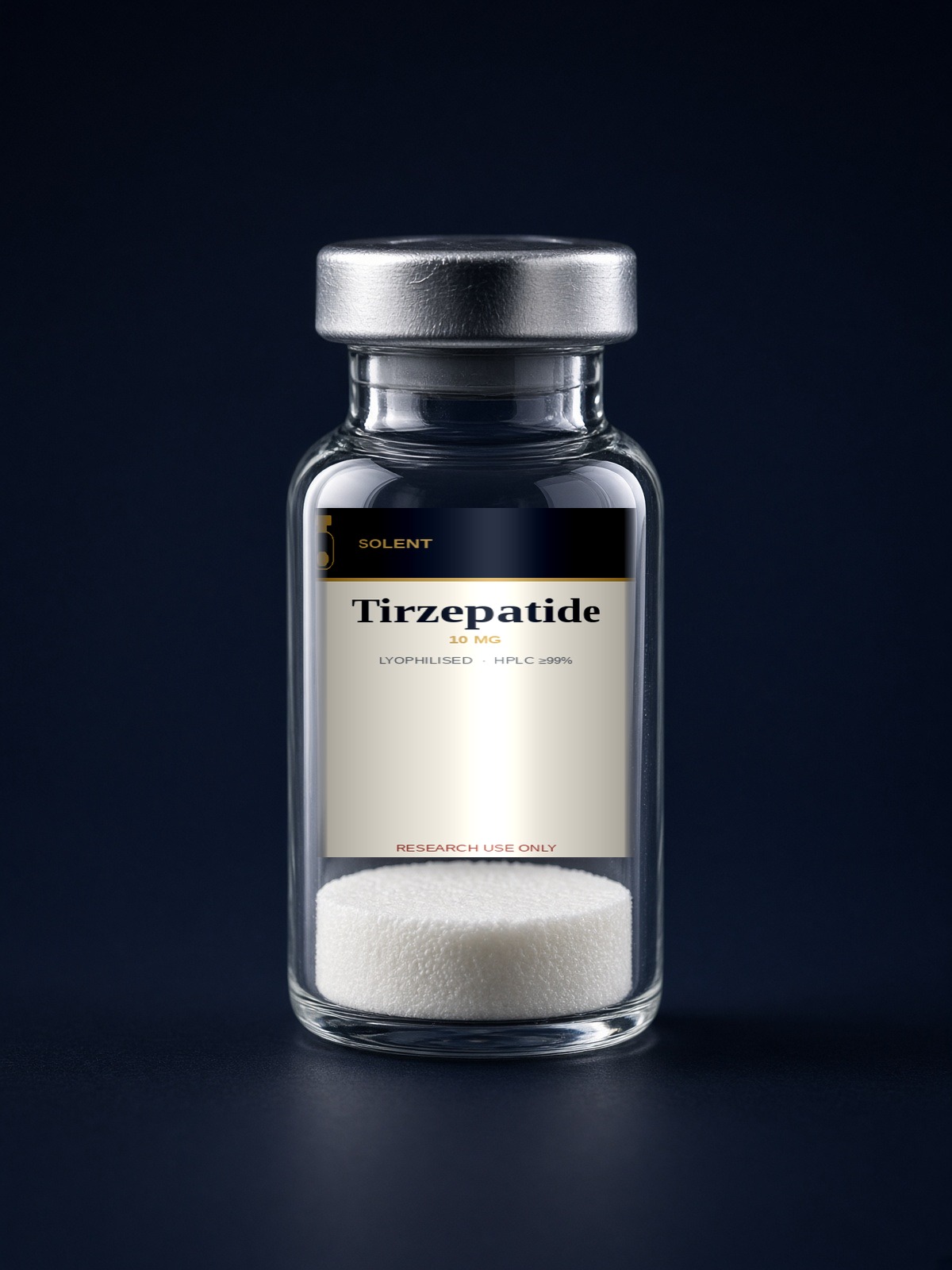
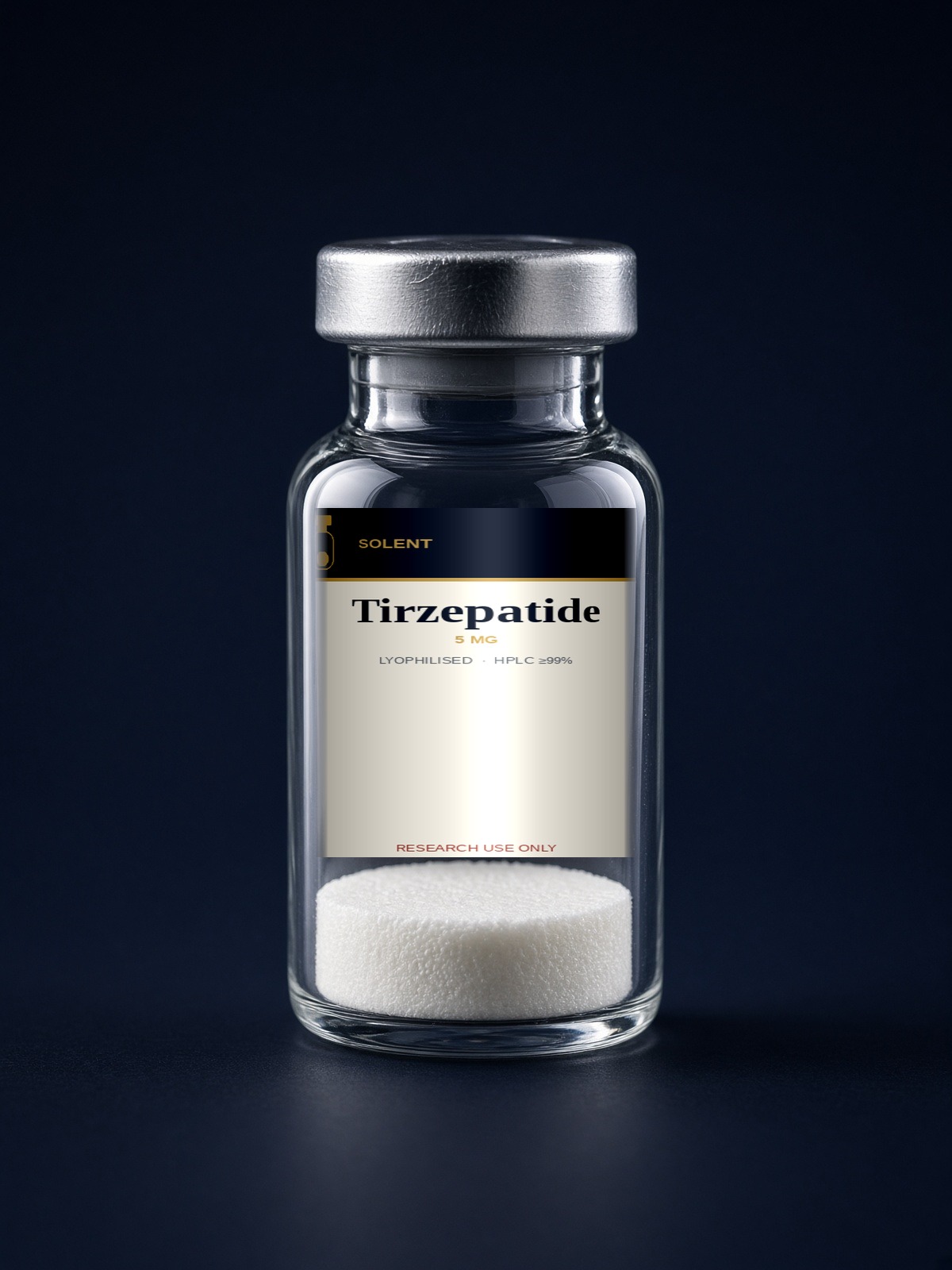
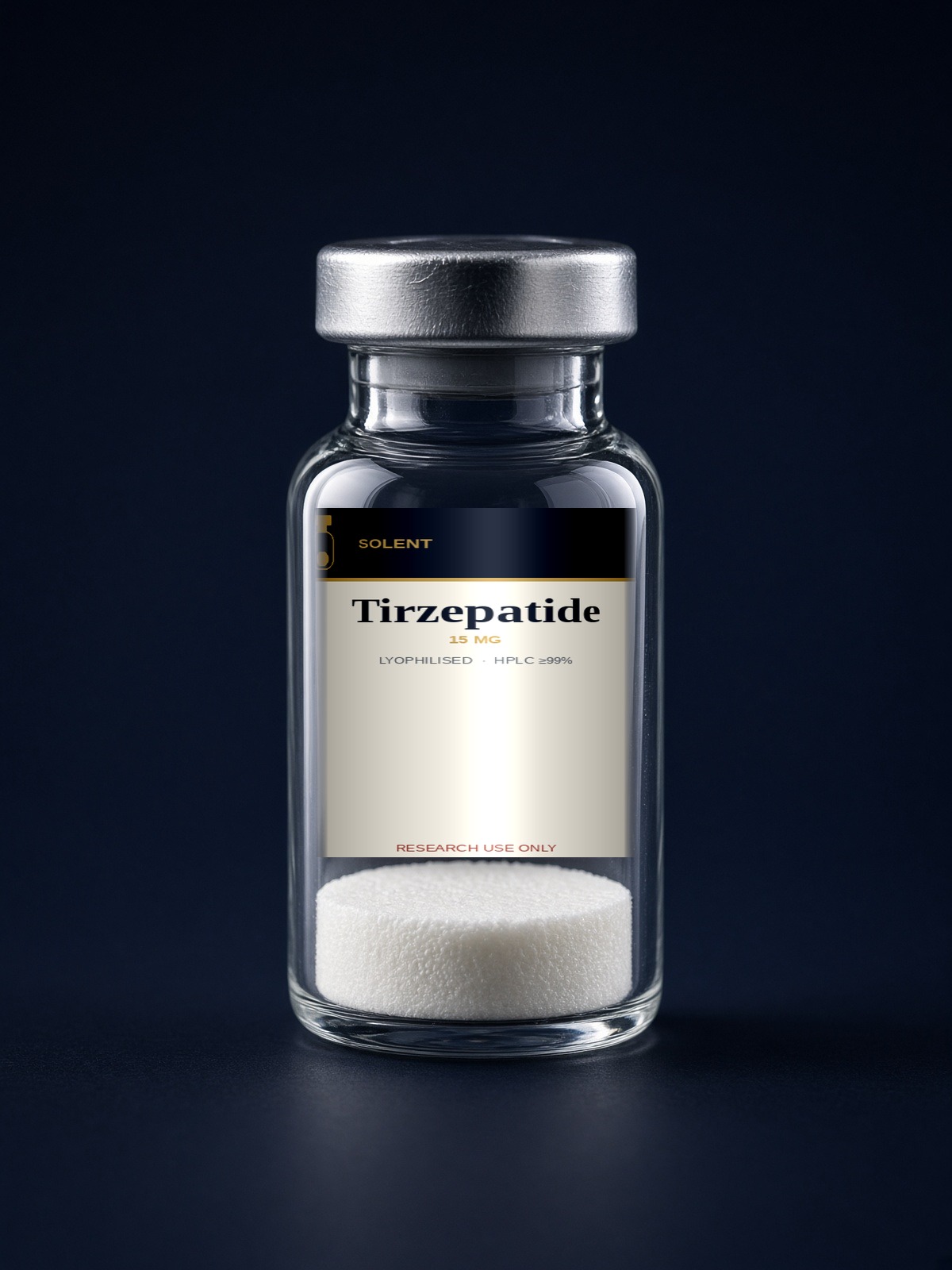
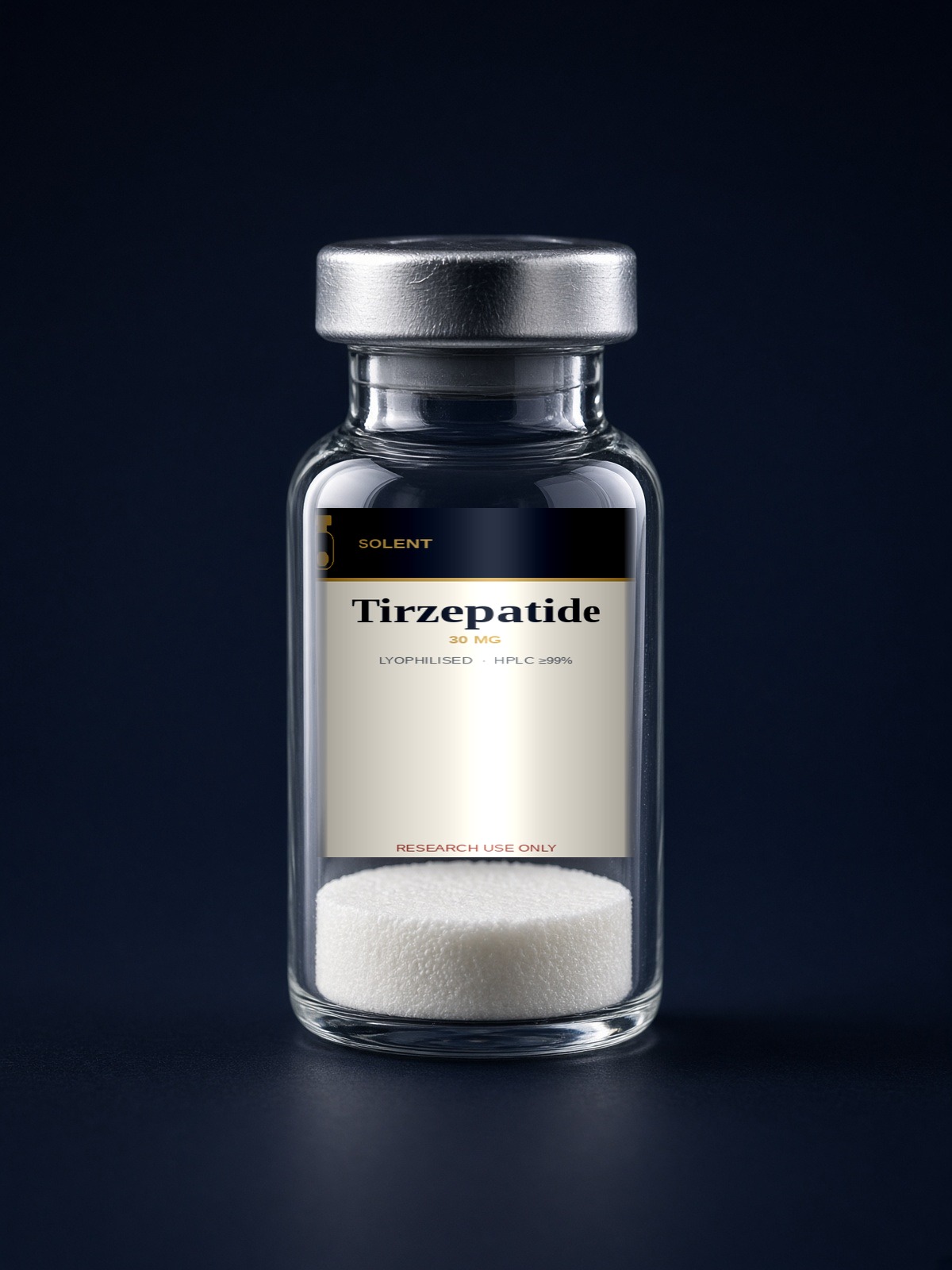
A dual GIP and GLP-1 receptor agonist peptide for laboratory receptor-binding and pathway work. Not a licensed medicine.
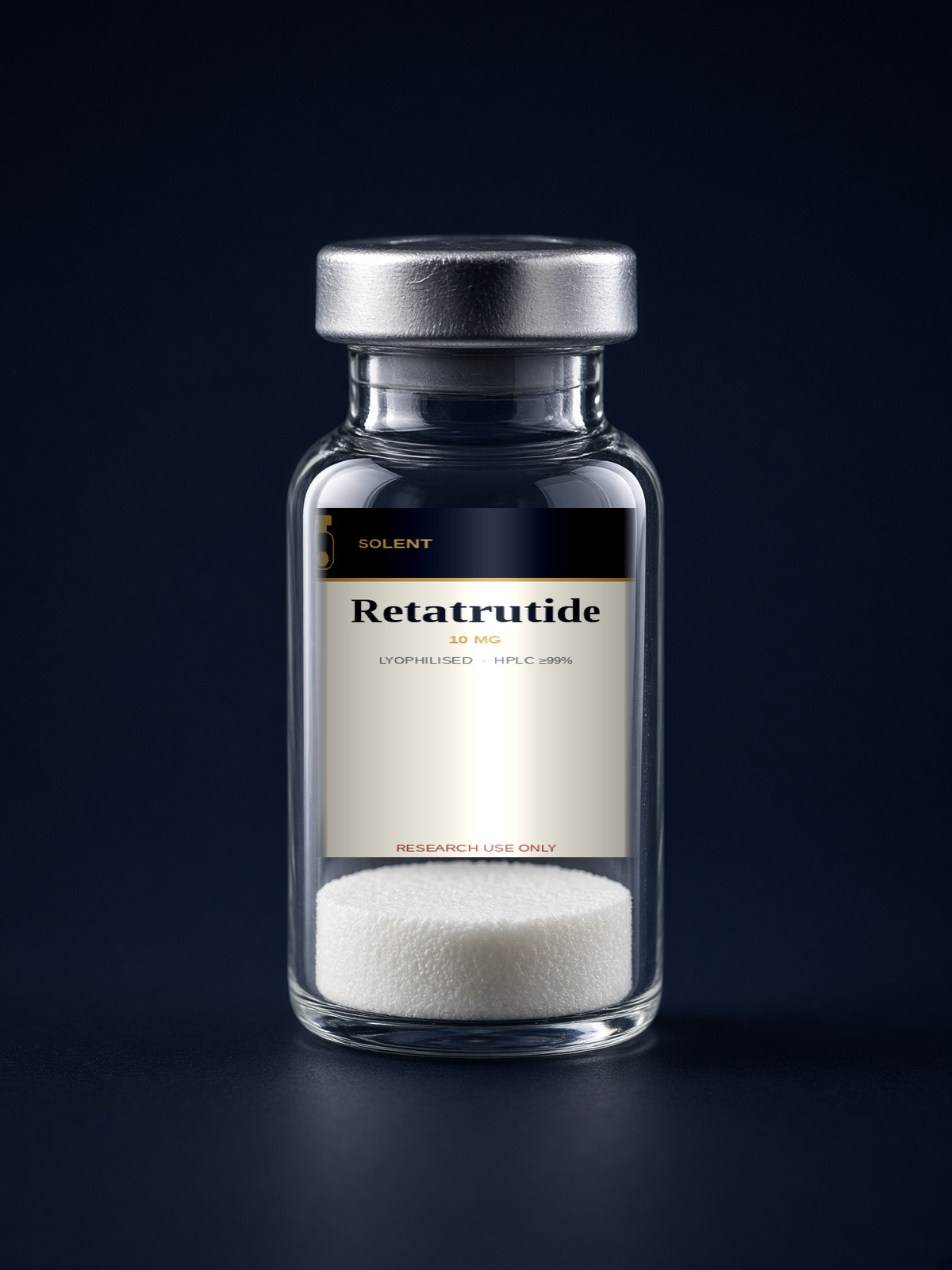
10 mg lyophilised retatrutide (triple GLP-1/GIP/glucagon agonist analogue) for laboratory research. Not a medicine.
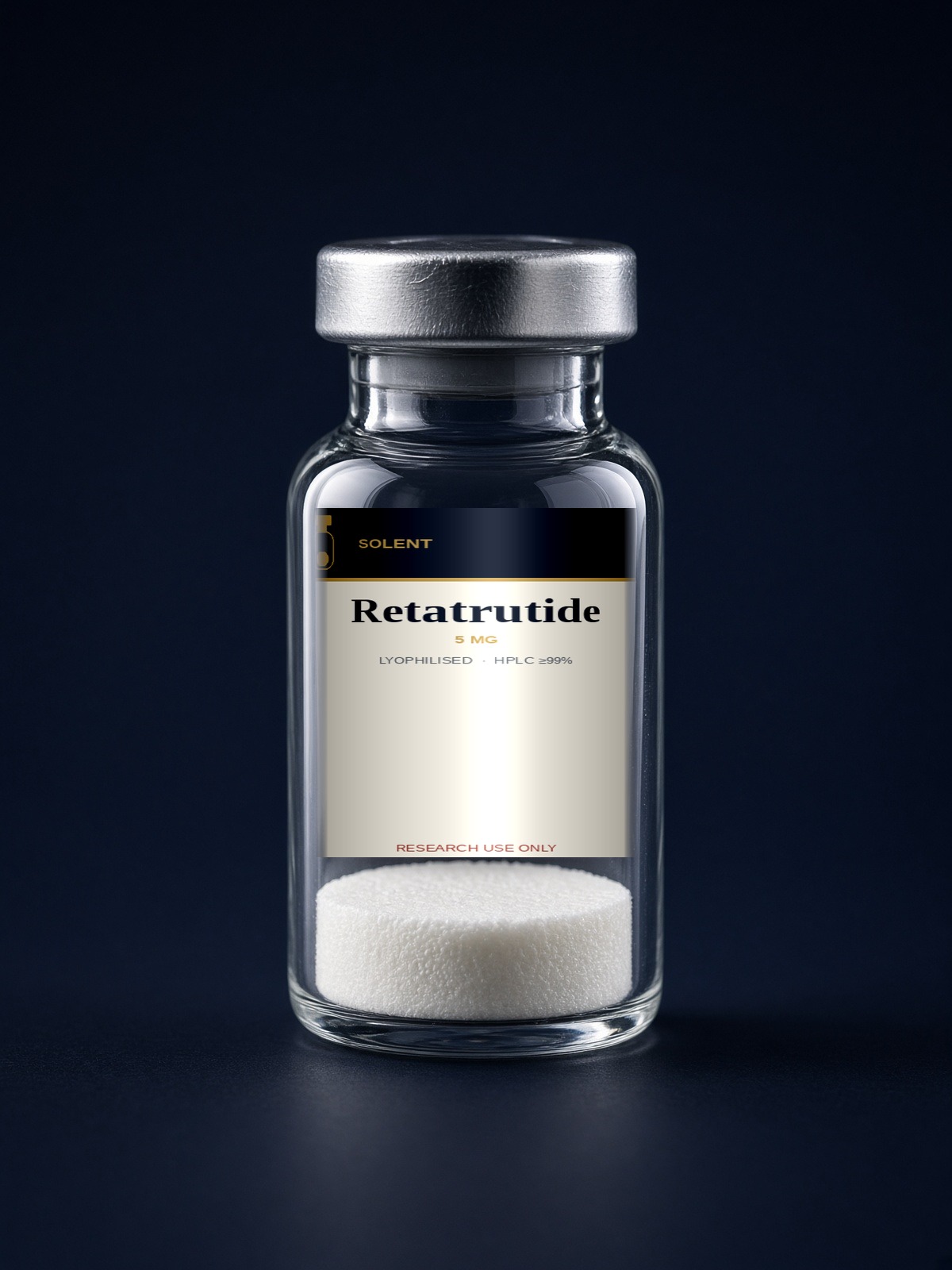
5 mg lyophilised retatrutide reference peptide for smaller metabolic-pathway assays.
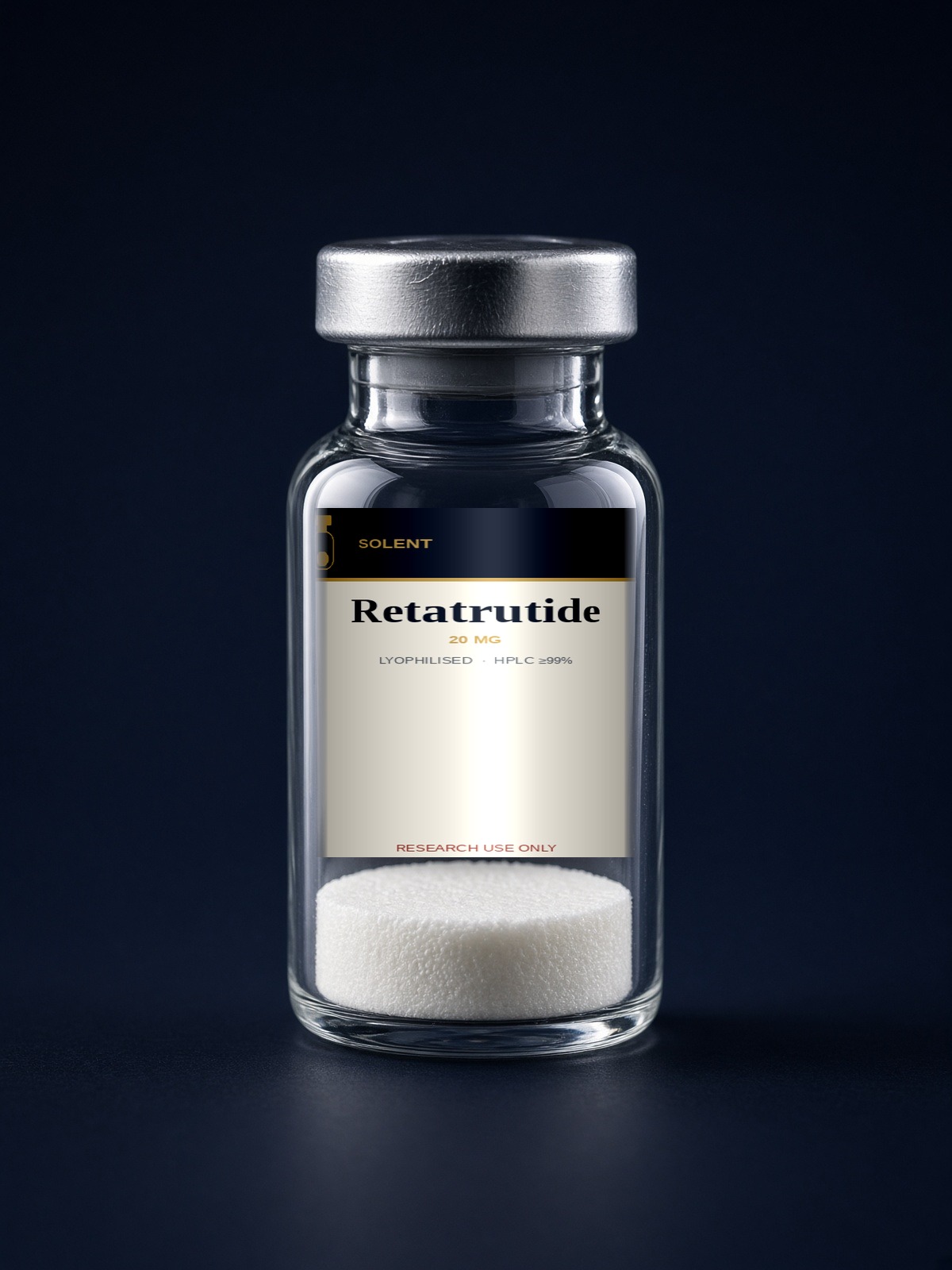
20 mg lyophilised retatrutide for metabolic-pathway laboratory work. Research chemical — not a licensed medicine.
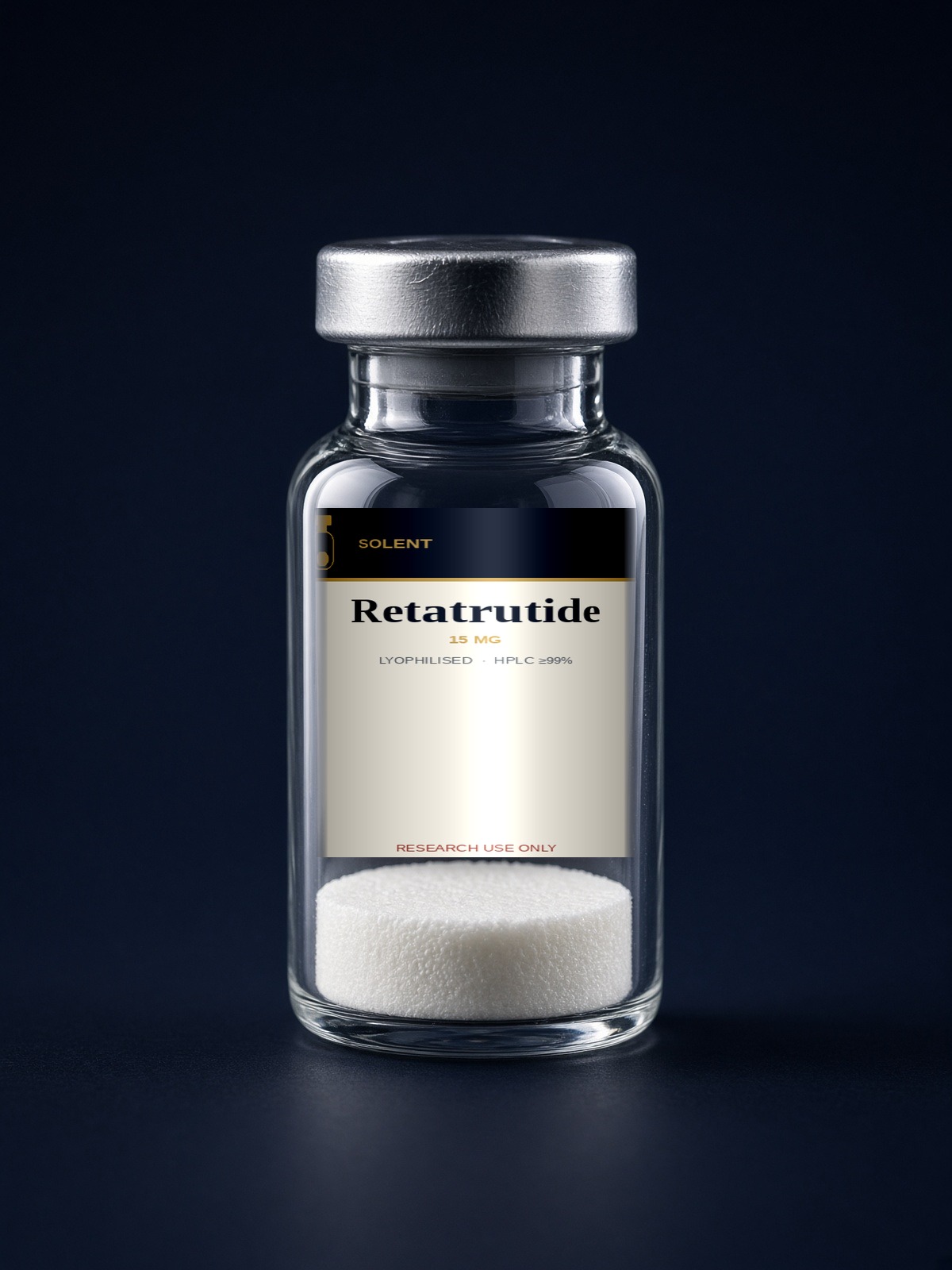
15 mg lyophilised retatrutide (triple GLP-1/GIP/glucagon agonist analogue) for laboratory research. Not a medicine.
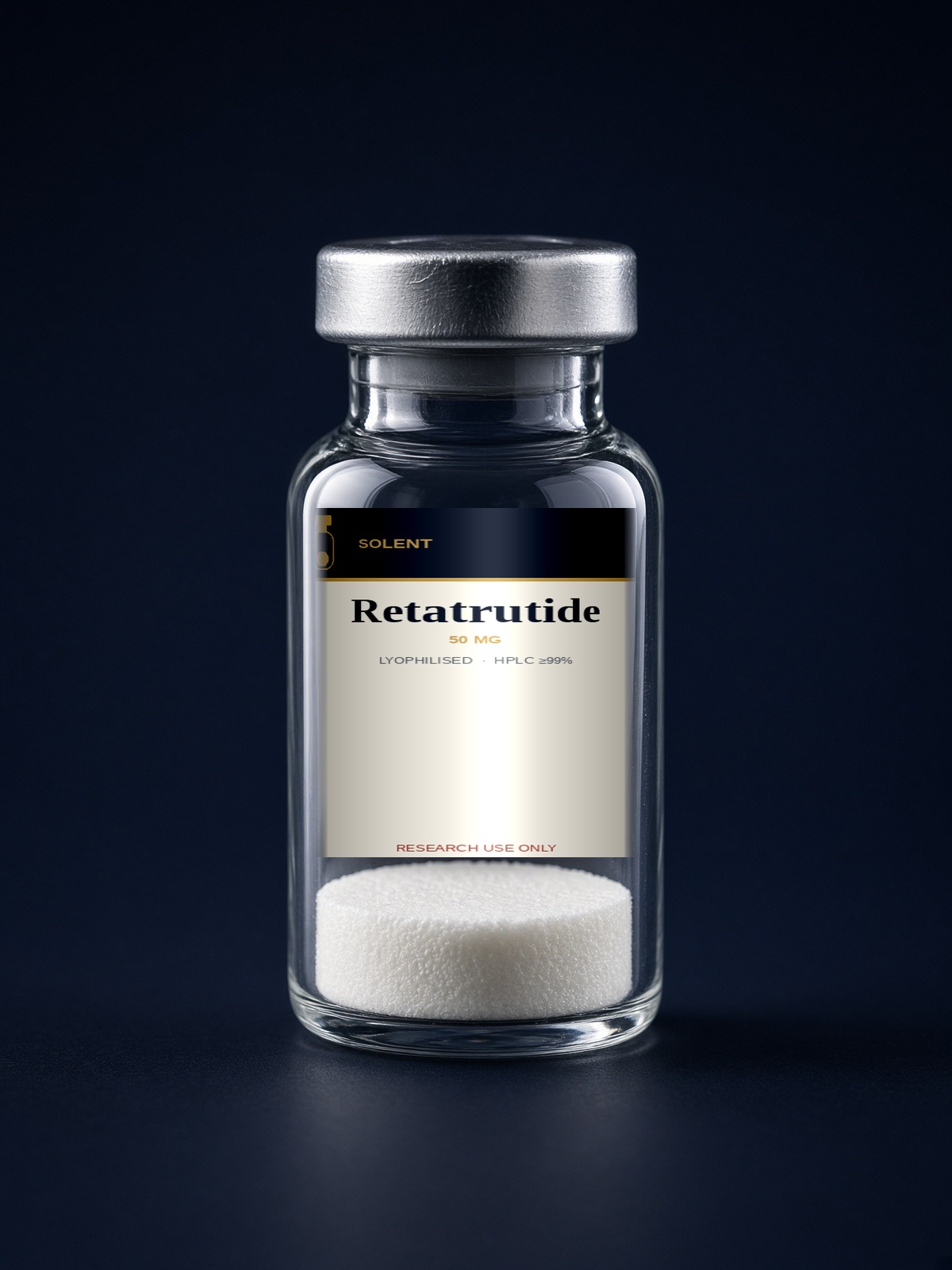
50 mg lyophilised retatrutide for laboratories that want a larger working aliquot. HPLC ≥99%. Research use only — not a pre-filled pen.
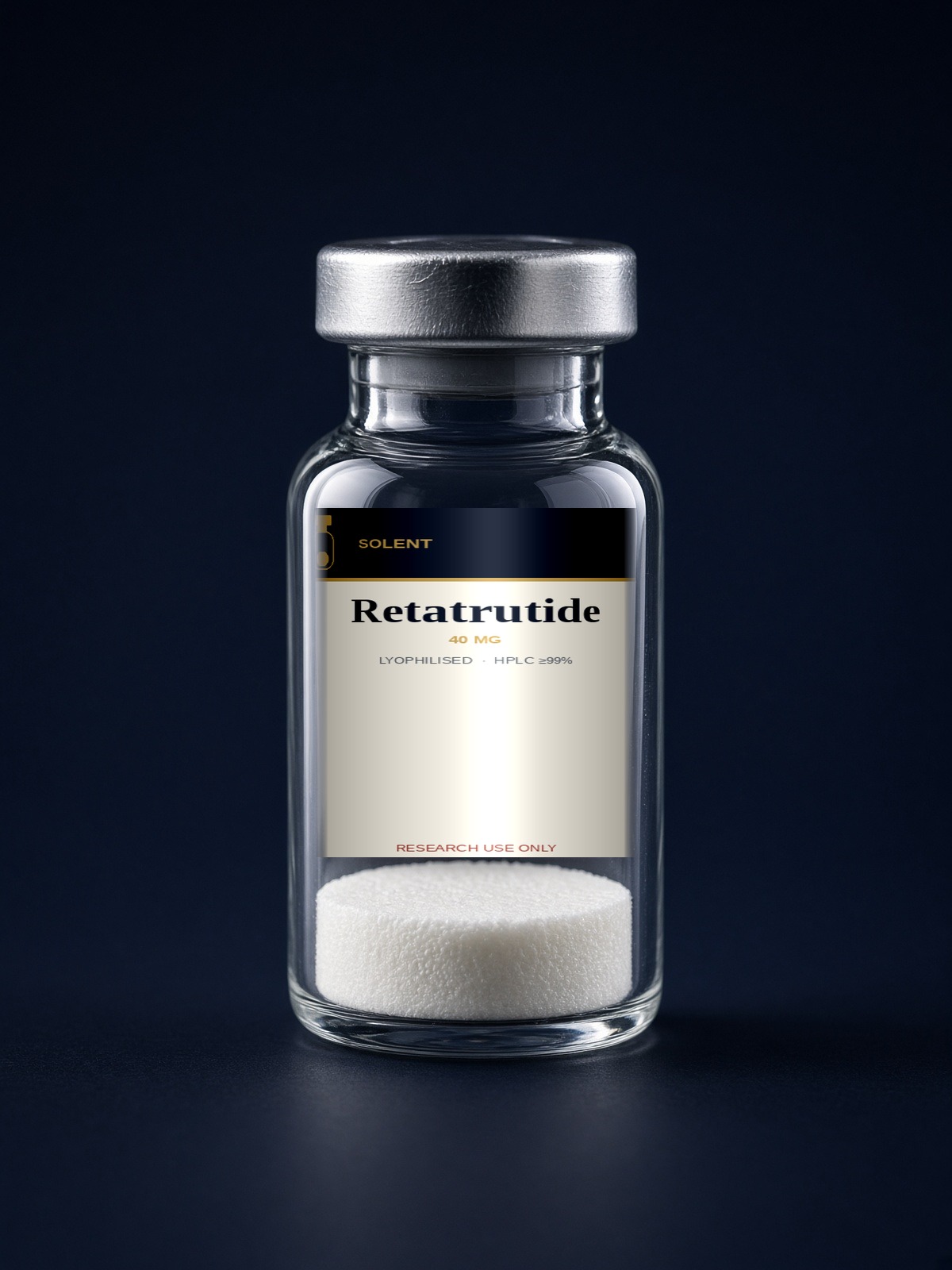
40 mg lyophilised retatrutide (same CAS as the 5 / 10 / 30 mg vials). Not a pre-filled pen and not a medicine.
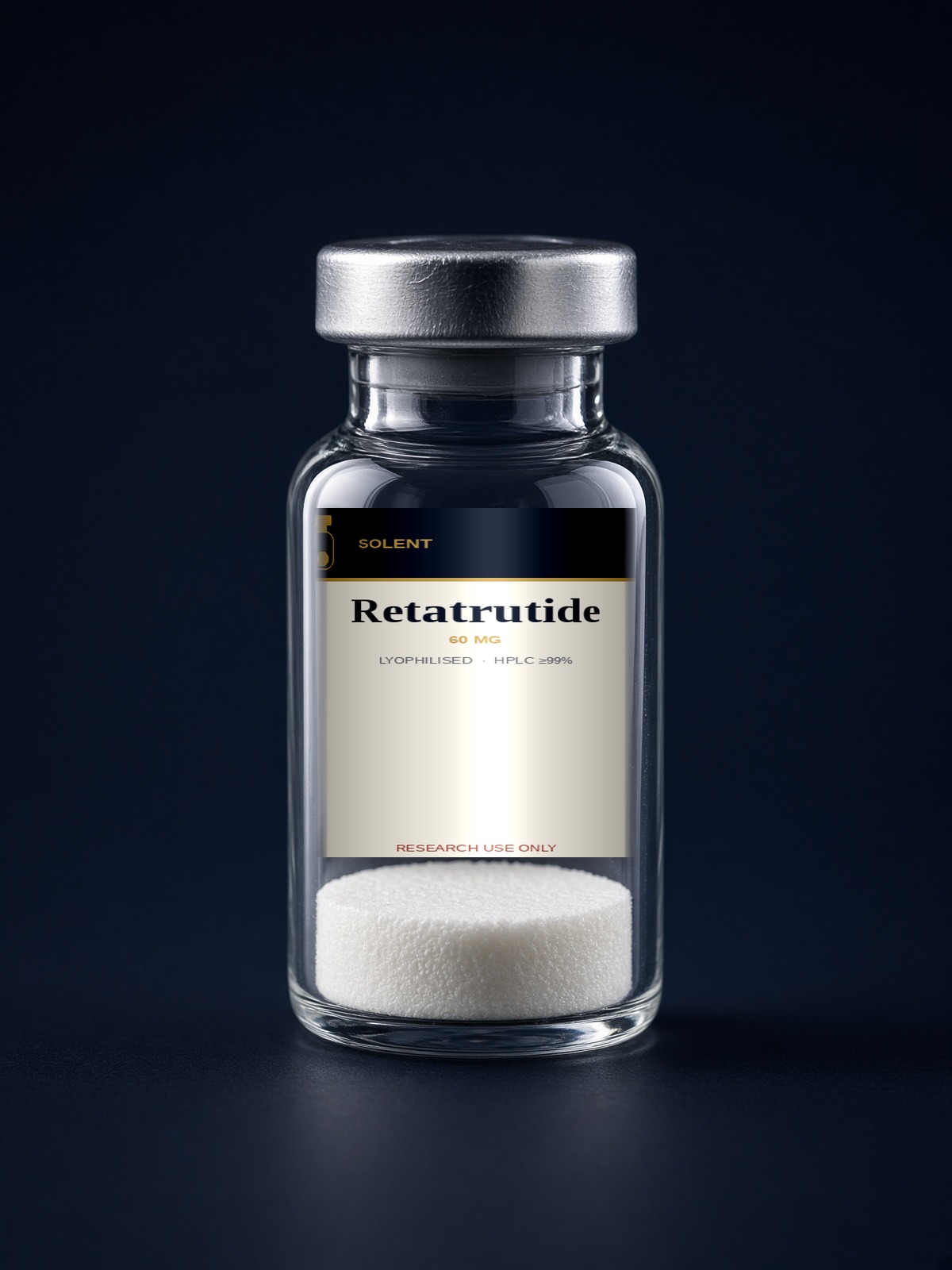
60 mg lyophilised retatrutide for laboratories that want a larger working aliquot. HPLC ≥99%. Research use only.
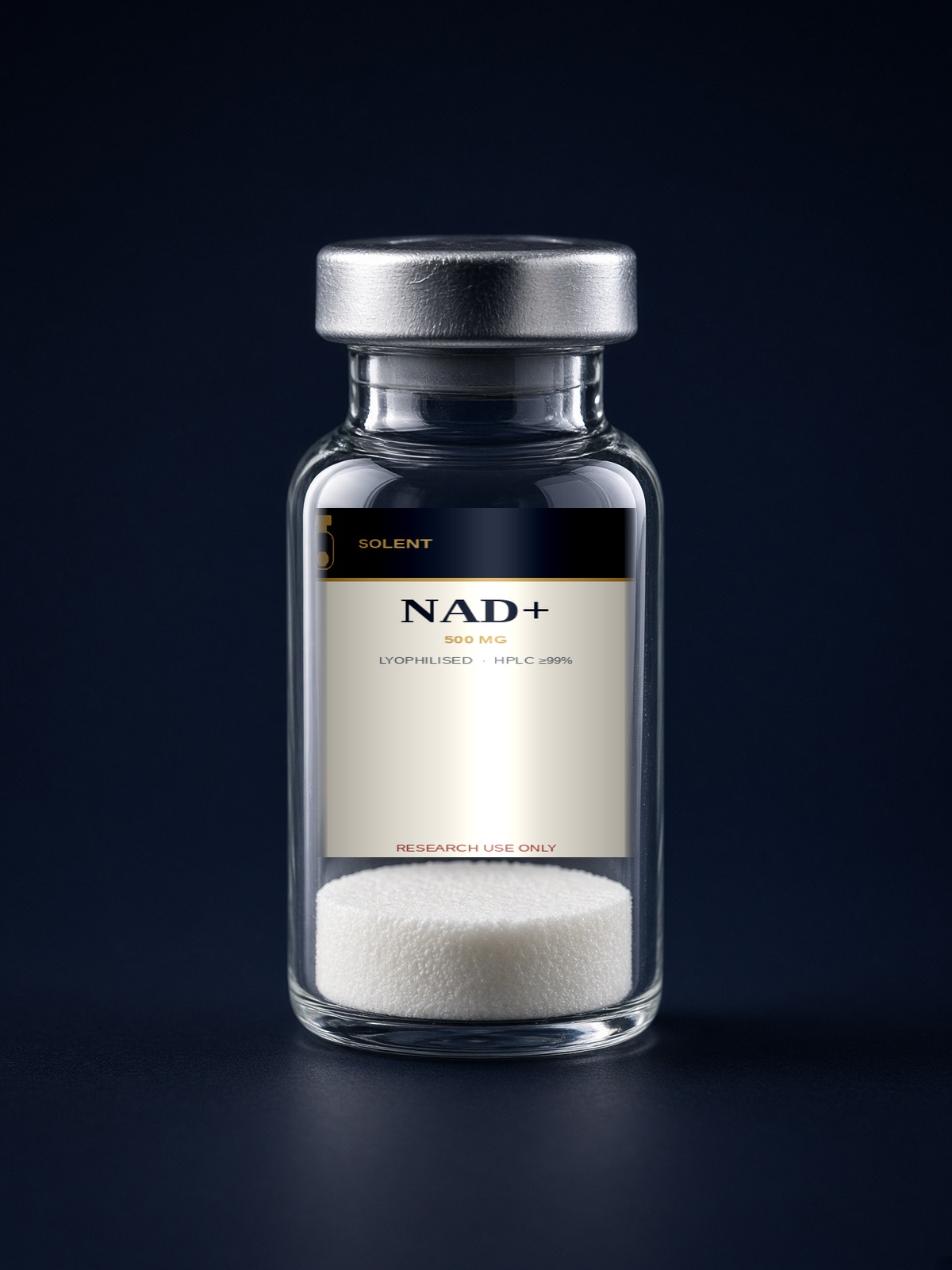
500 mg NAD+ coenzyme (not a peptide) for cellular-energy and sirtuin-pathway laboratory work.
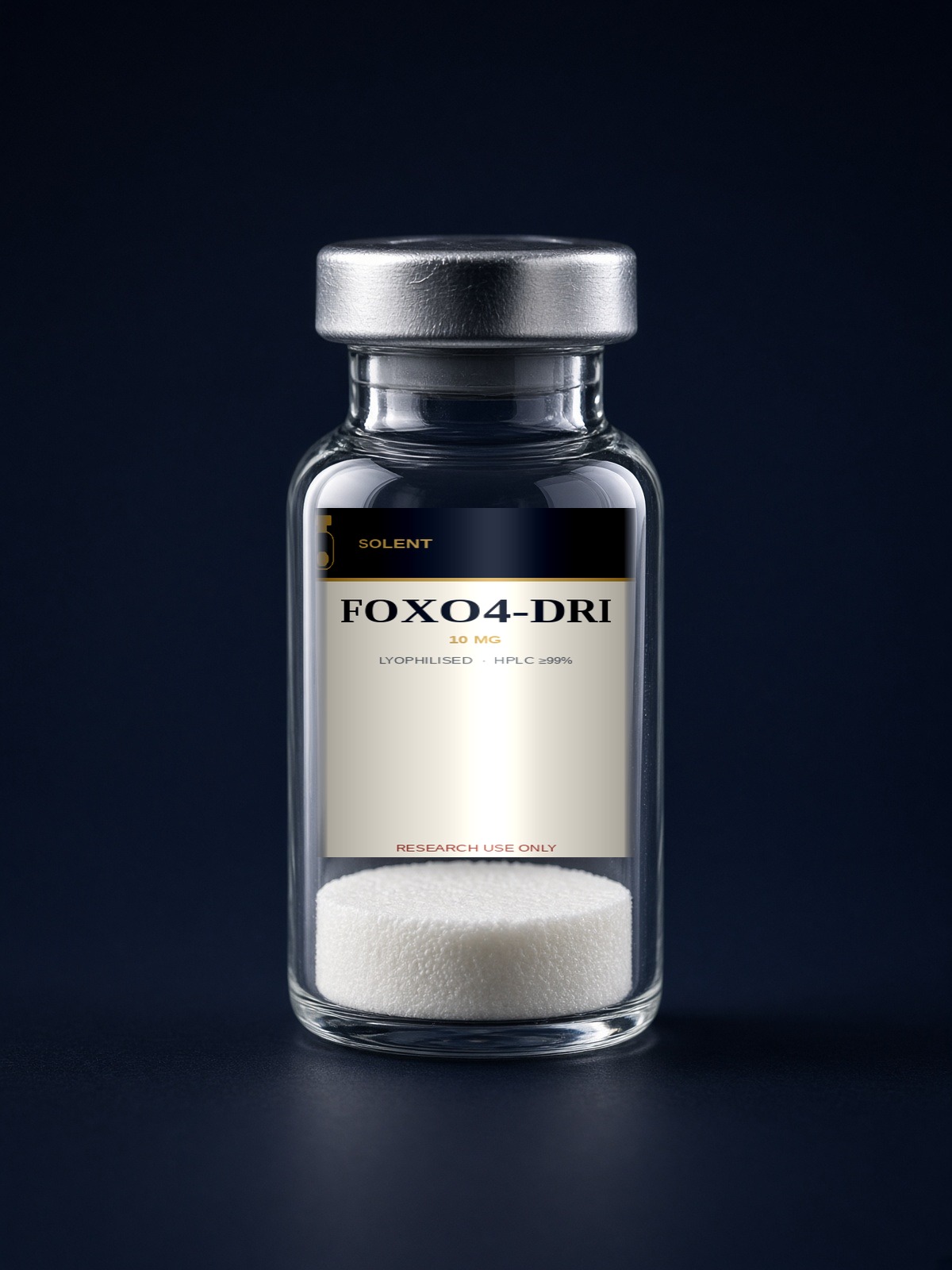
A D-retro-inverso peptide designed to interfere with FOXO4–p53 interaction, studied in cellular-senescence research models.
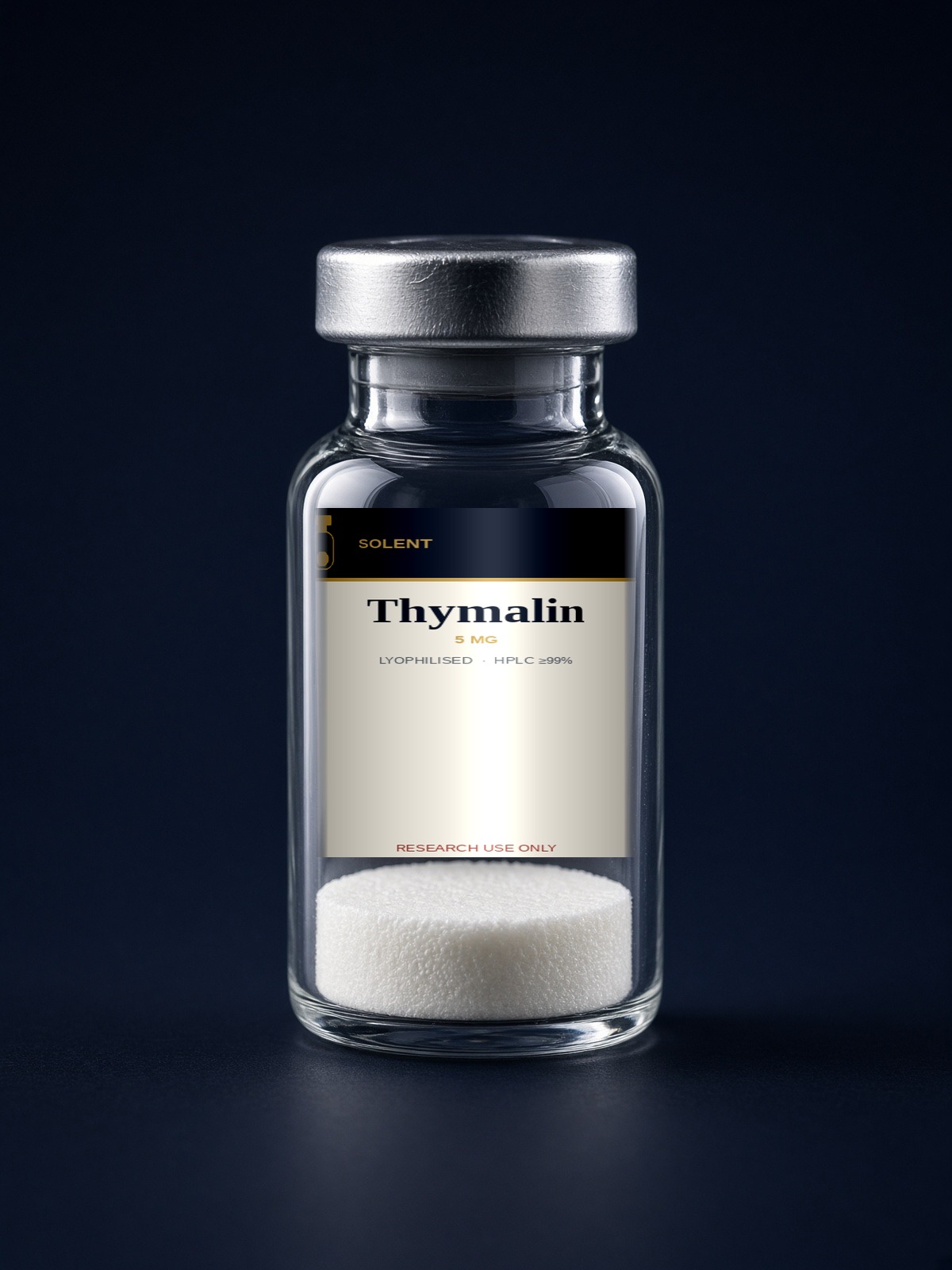
A thymic peptide preparation analogue studied in immune-regulation research models.
An octapeptide analogue of SNAP-25 studied in cosmetic-science and SNARE-complex in-vitro models.
Palmitoyl pentapeptide-4 studied in extracellular-matrix and cosmetic-science laboratory models.
N-palmitoyl GHK tripeptide studied in matrix-signalling and cosmetic-science assays.
An 11-residue peptide derived from erythropoietin, studied at the innate repair receptor in experimental models.
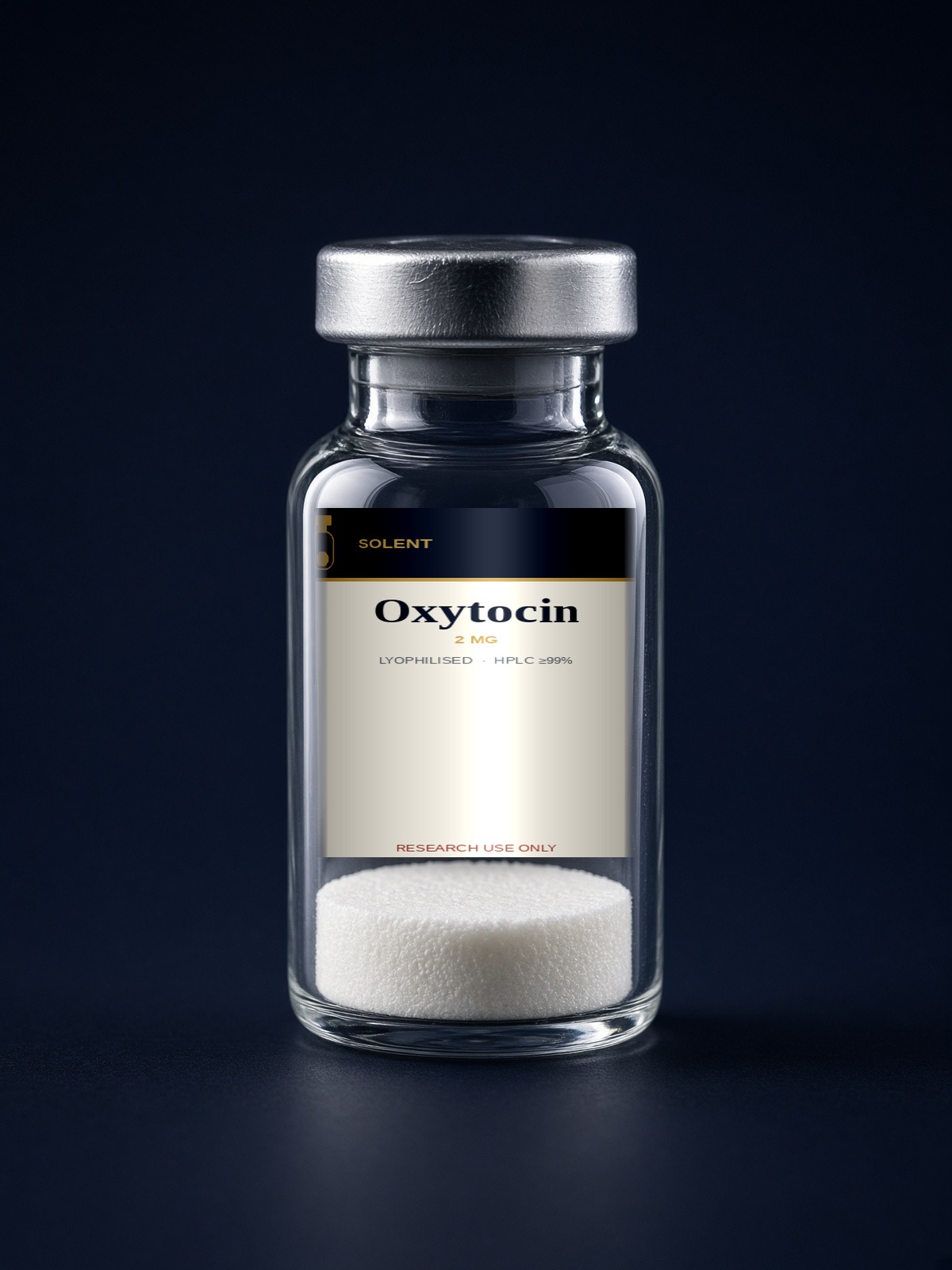
The cyclic nonapeptide hormone oxytocin, supplied as a lyophilised laboratory reference — not a licensed medicine.
A 344-residue follistatin isoform studied as an activin/myostatin-binding protein in laboratory models.
A synthetic GnRH analogue decapeptide for receptor-binding research. Not a licensed medicine.
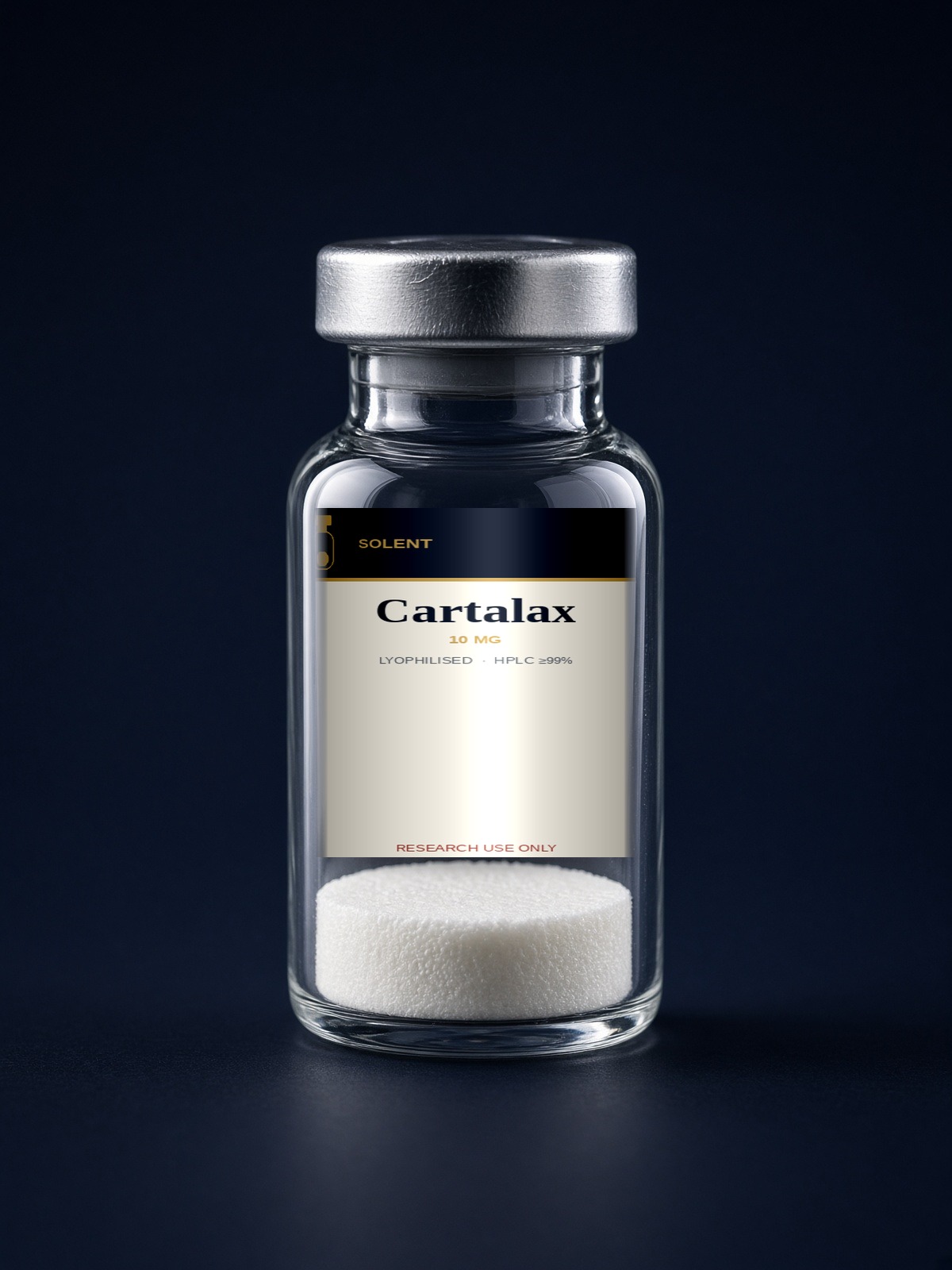
A synthetic tripeptide bioregulator (Glu-Asp-Arg) studied in pineal and neuronal-model research.
A synthetic tripeptide bioregulator studied in cartilage and connective-tissue research models.
A dipeptide bioregulator (Lys-Glu) studied in immune-regulation laboratory models.
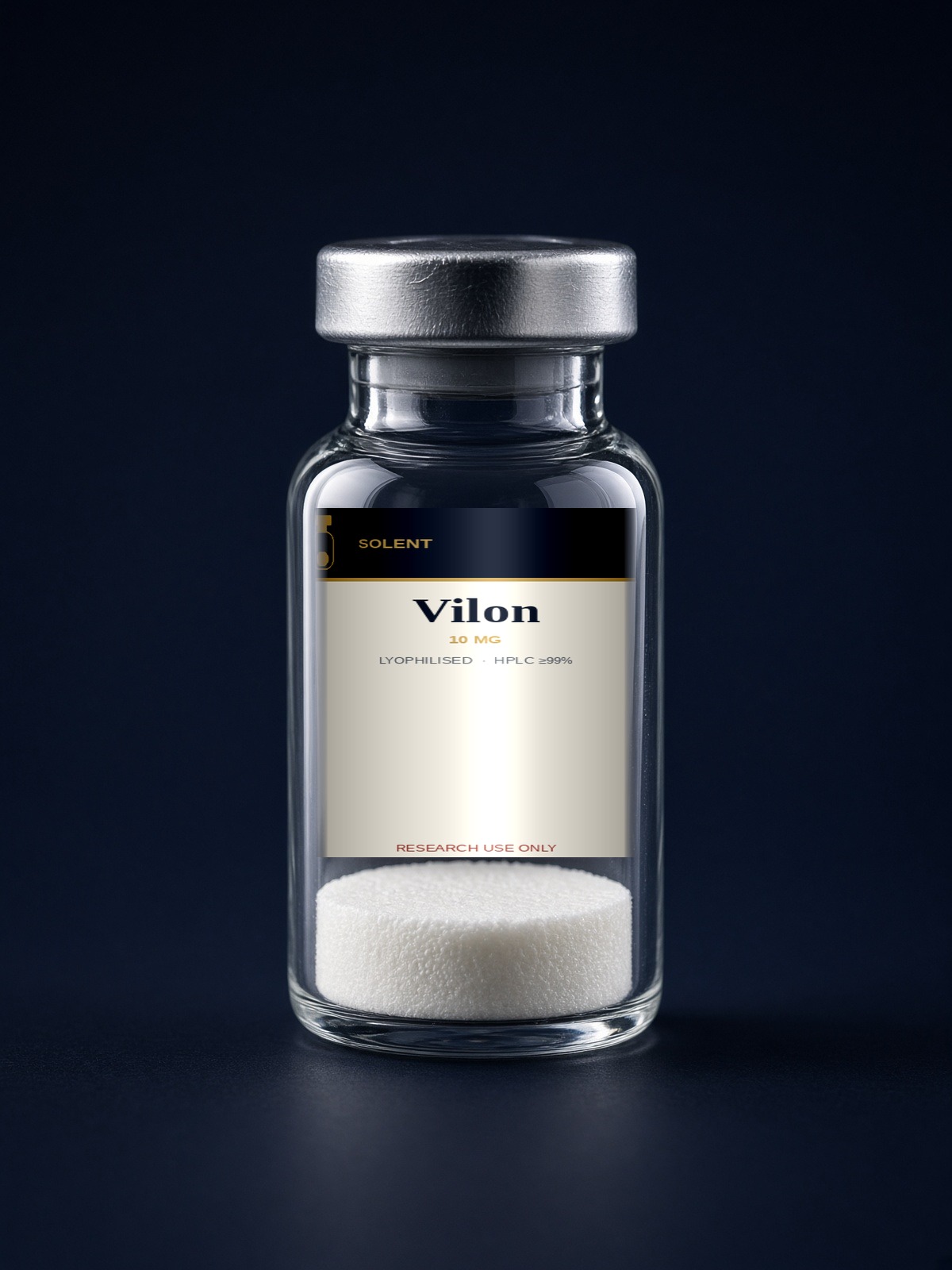
A synthetic tripeptide bioregulator studied in vascular-endothelium research models.
N-terminally acetylated AEDG tetrapeptide, an analogue of epithalon for senescence-pathway laboratory work.
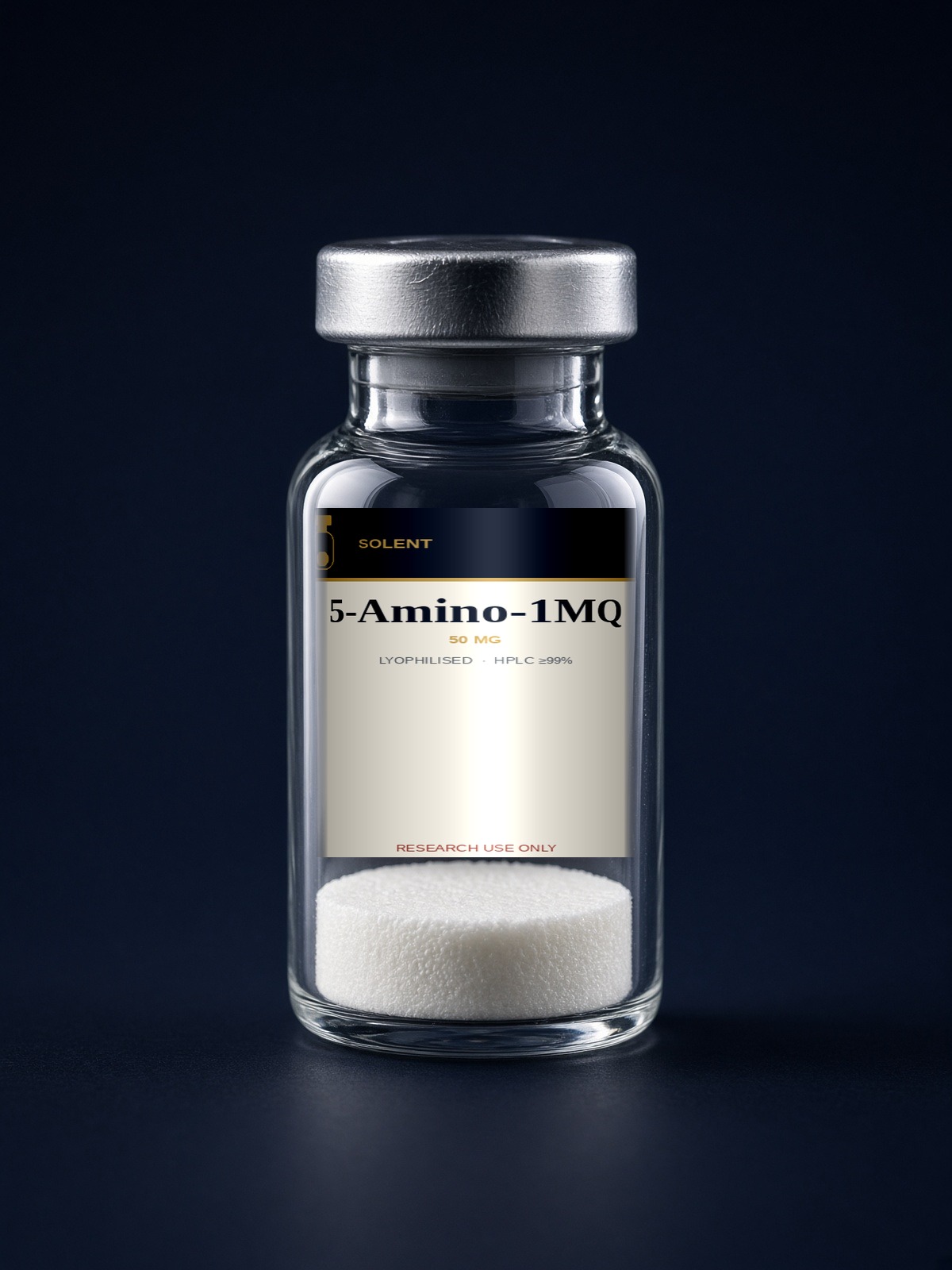
A small-molecule NNMT-pathway research compound supplied as a lyophilised solid for metabolic laboratory models. Not a peptide, listed alongside the research catalogue for convenience.

An α-MSH analogue for melanocortin-receptor laboratory work. Not supplied for tanning or any human use.
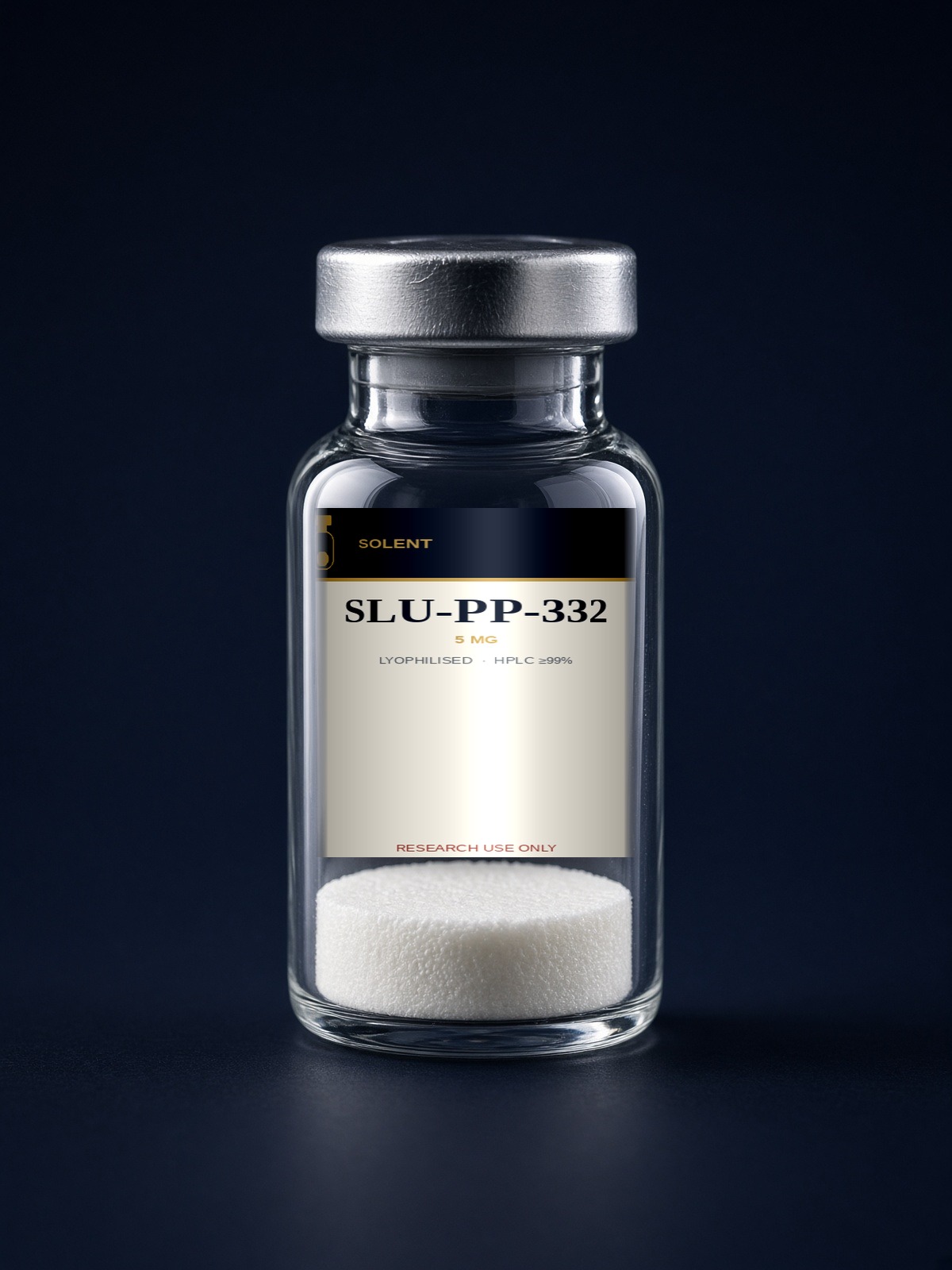
An ERR-pathway research ligand for metabolic laboratory models. Defined chemical supply — not a medicine.
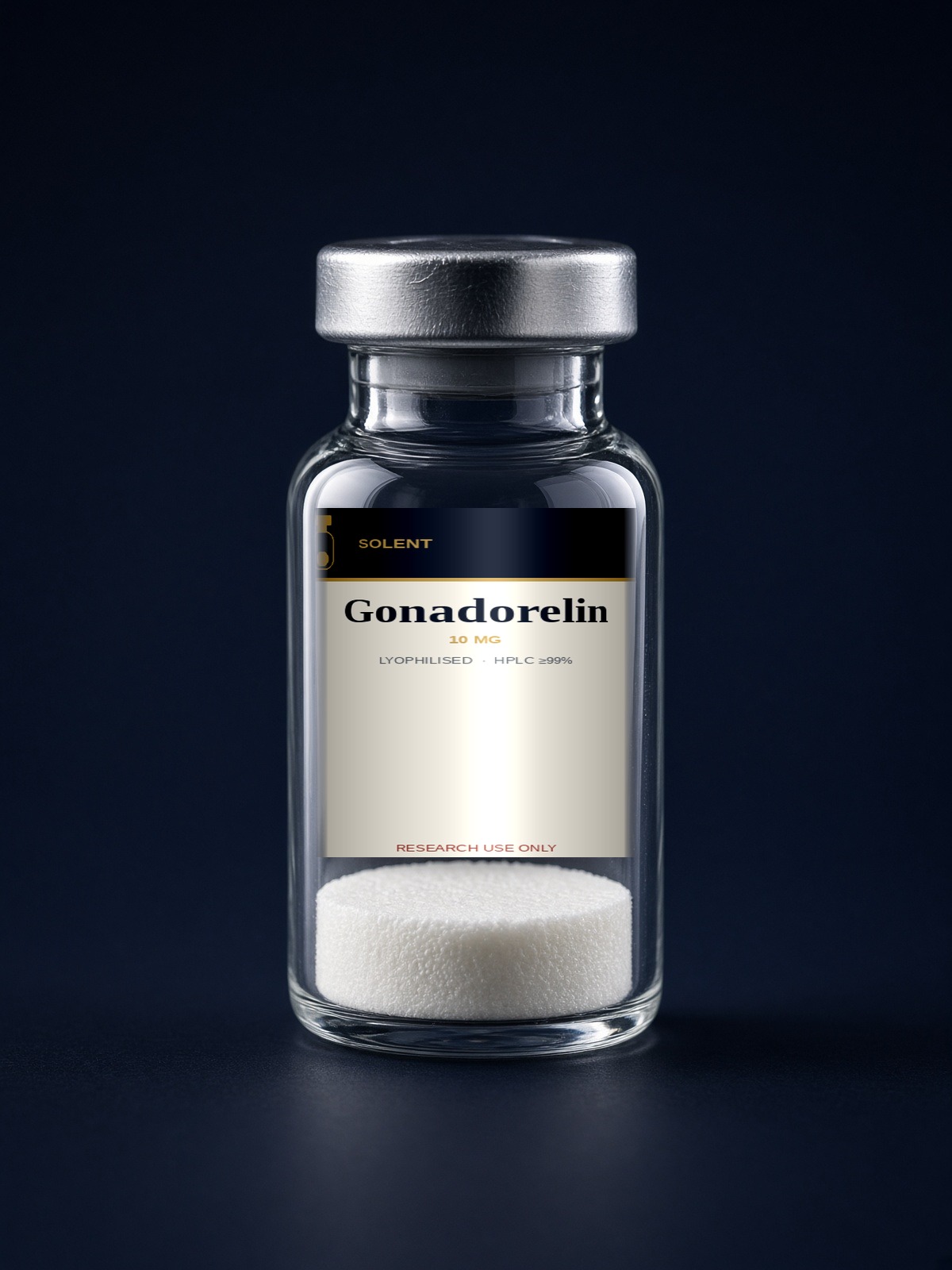
A decapeptide gonadotropin-releasing hormone analogue for receptor and assay research. Not a fertility medicine.
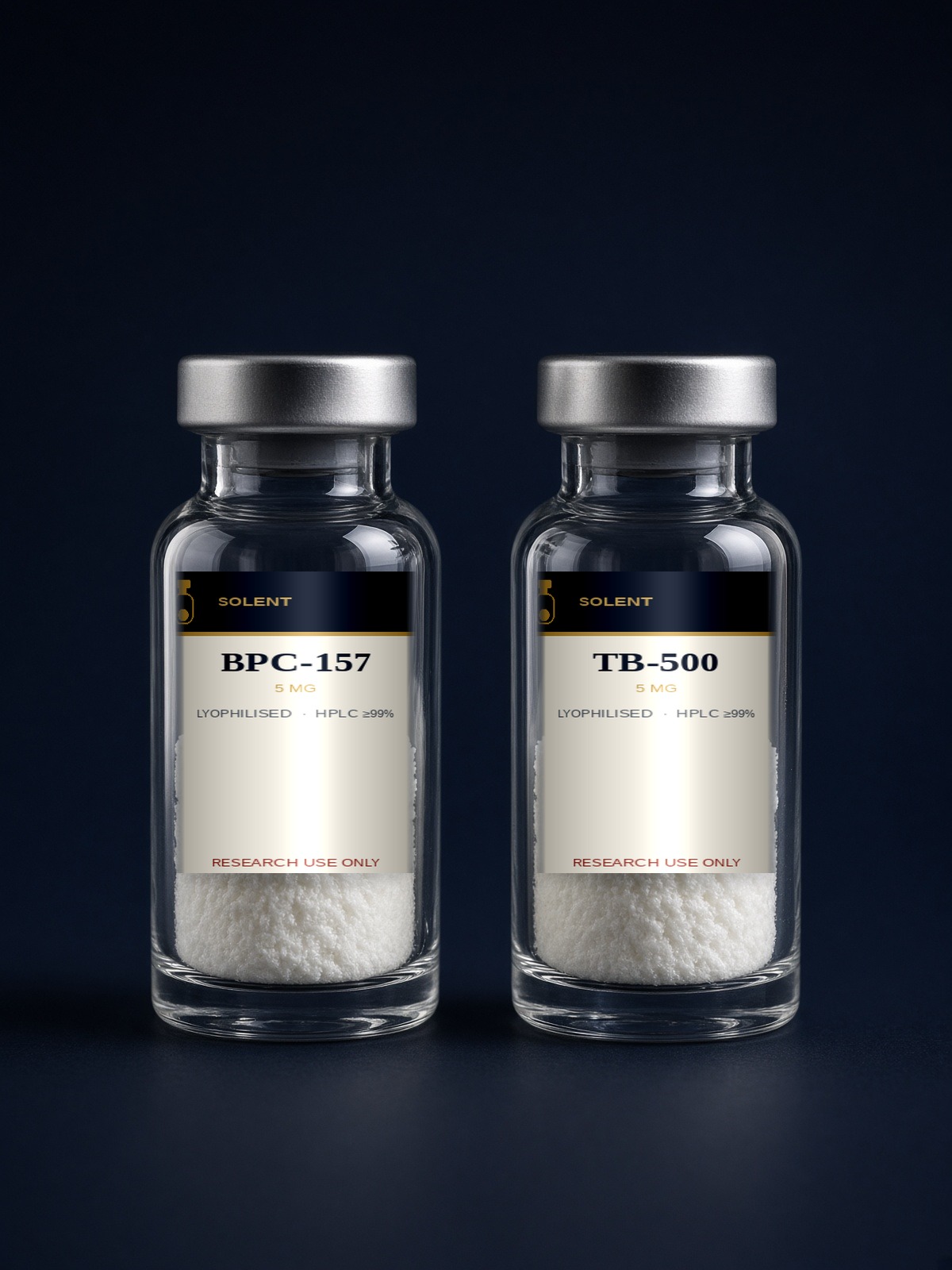
BPC-157 5 mg and TB-500 5 mg as two separate lyophilised vials. Not pre-mixed. Each vial is independently HPLC-tested.
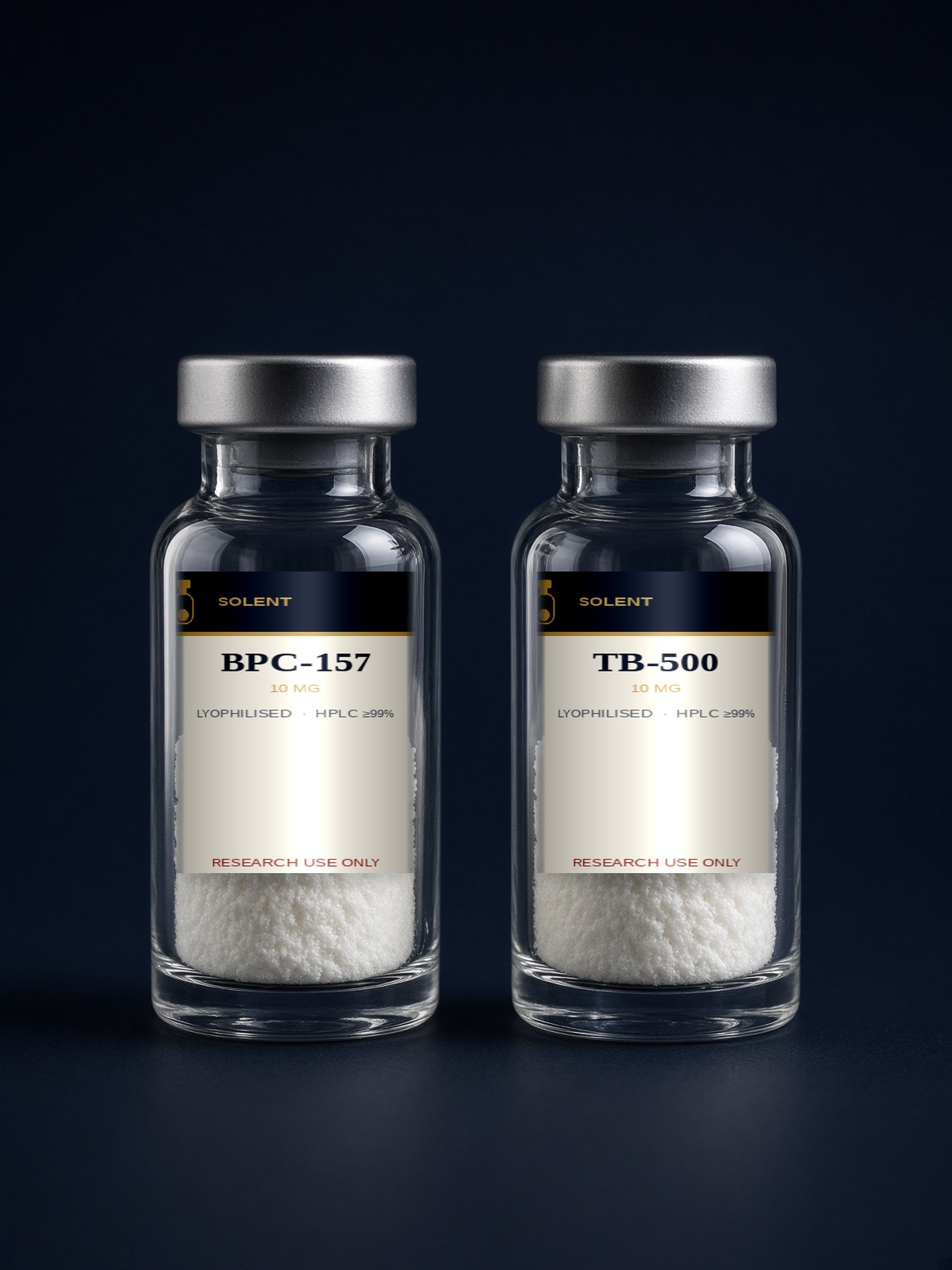
BPC-157 10 mg and TB-500 10 mg as two separate lyophilised vials. The 10+10 split UK catalogues list as a 20 mg Wolverine set. Not pre-mixed. Each vial is independently HPLC-tested.
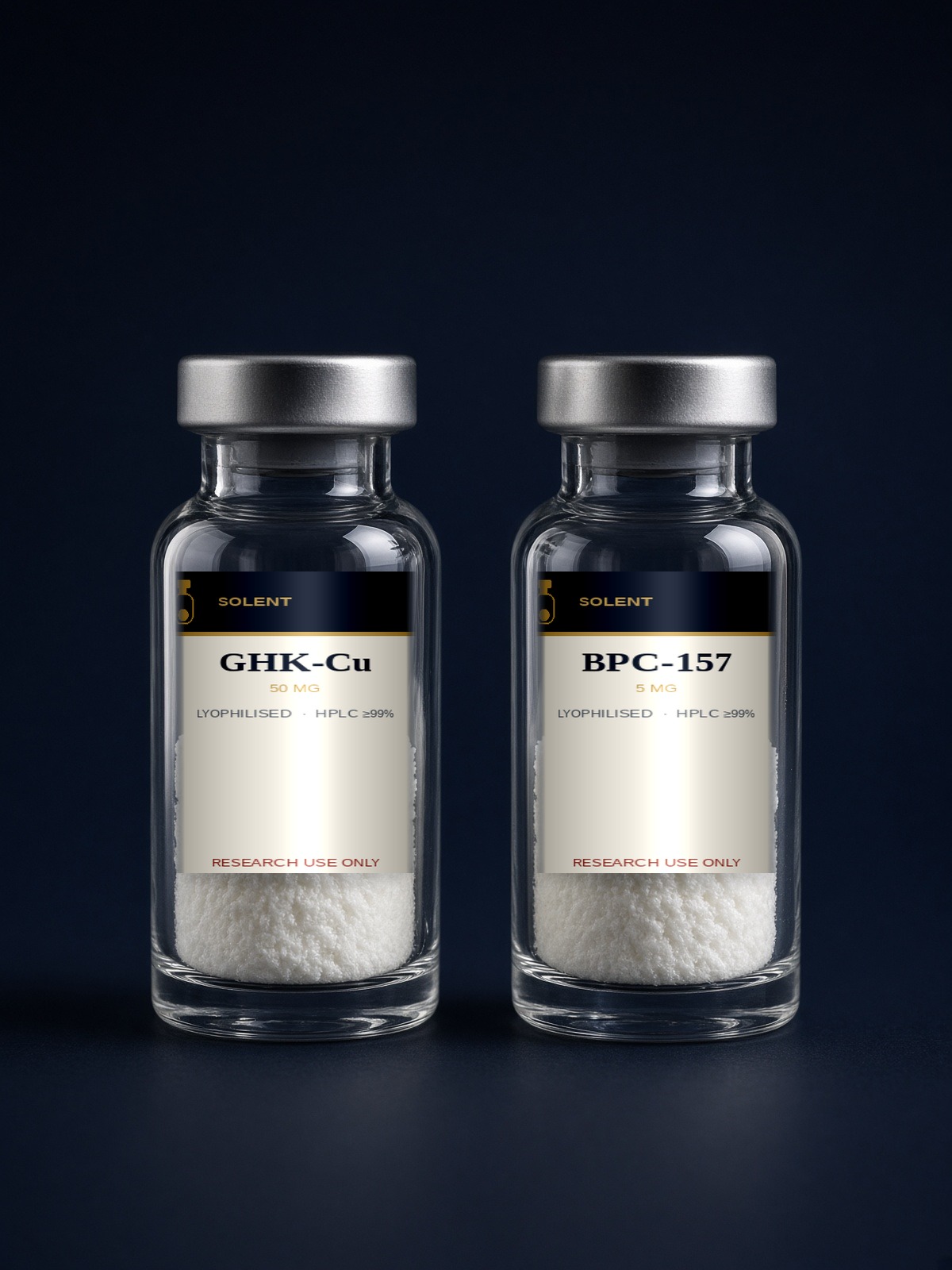
GHK-Cu, BPC-157 and TB-500 as three separate lyophilised vials. Not pre-mixed.
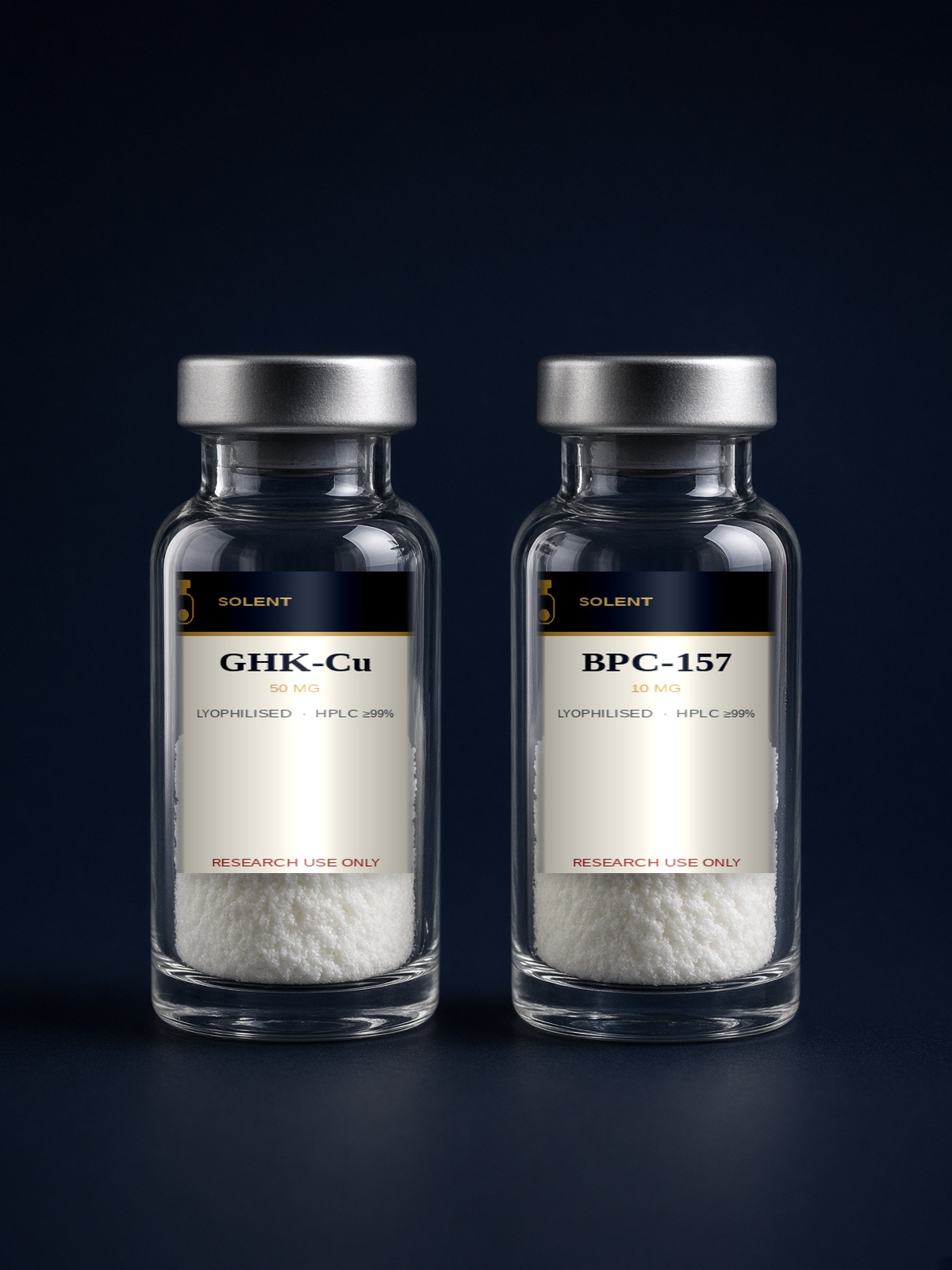
70 mg GLOW set: GHK-Cu 50 mg, BPC-157 10 mg, TB-500 10 mg as three separate vials. Not pre-mixed. Same 10% under typical UK list as the rest of the catalogue.
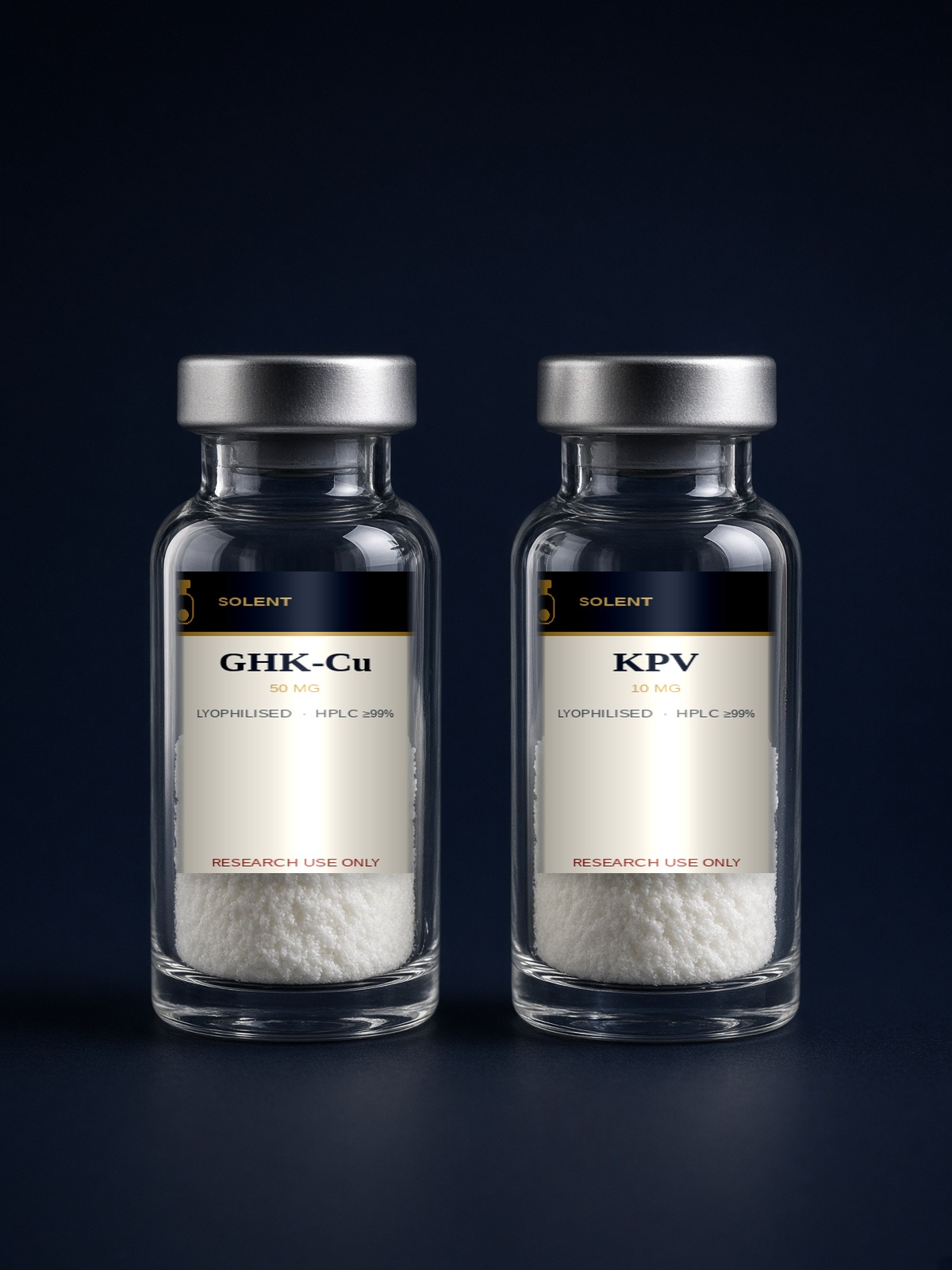
80 mg KLOW set: GHK-Cu 50 mg, TB-500 10 mg, BPC-157 10 mg, KPV 10 mg as four separate vials. Not a single mixed powder unless stated on the vial.
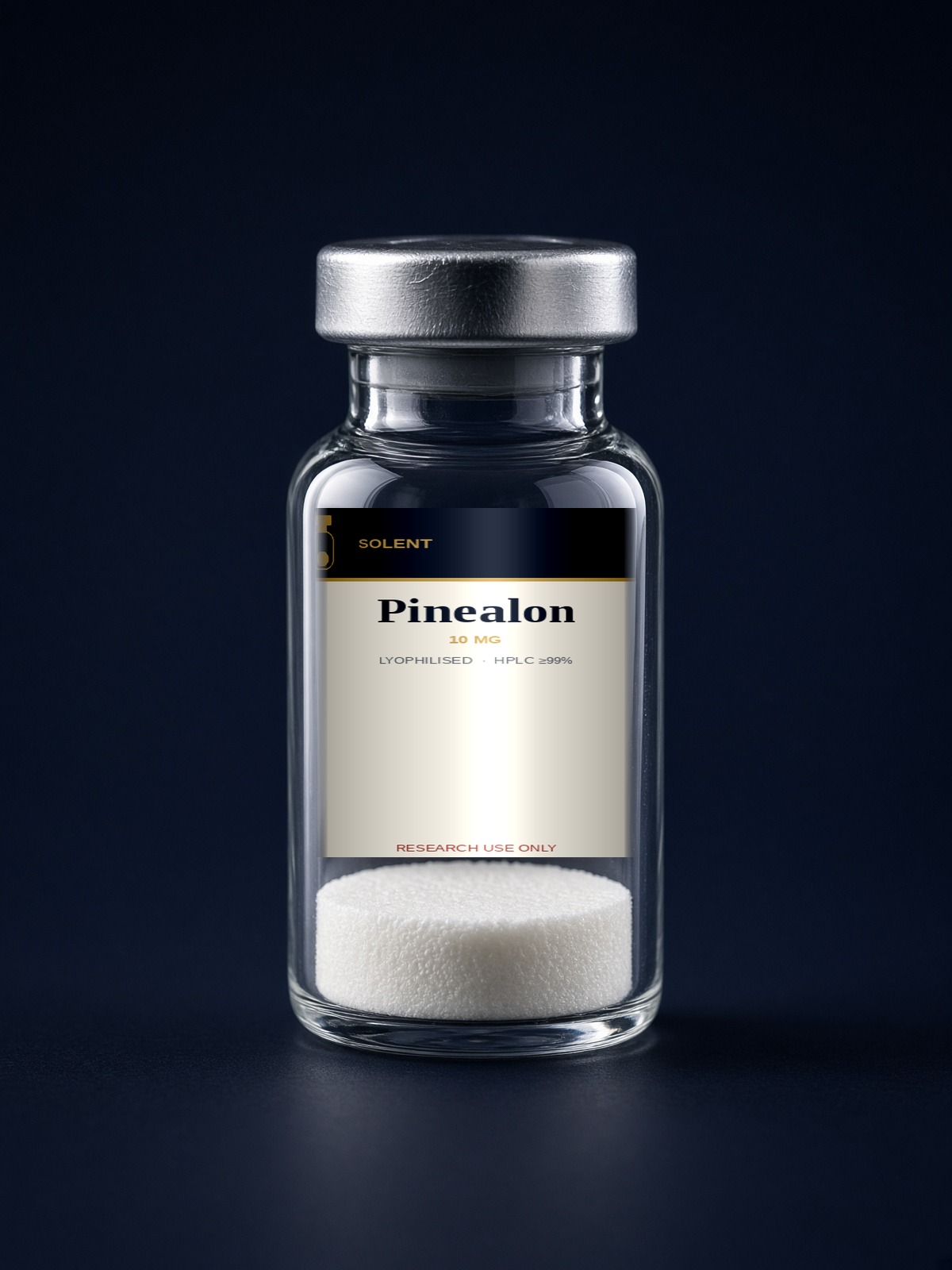
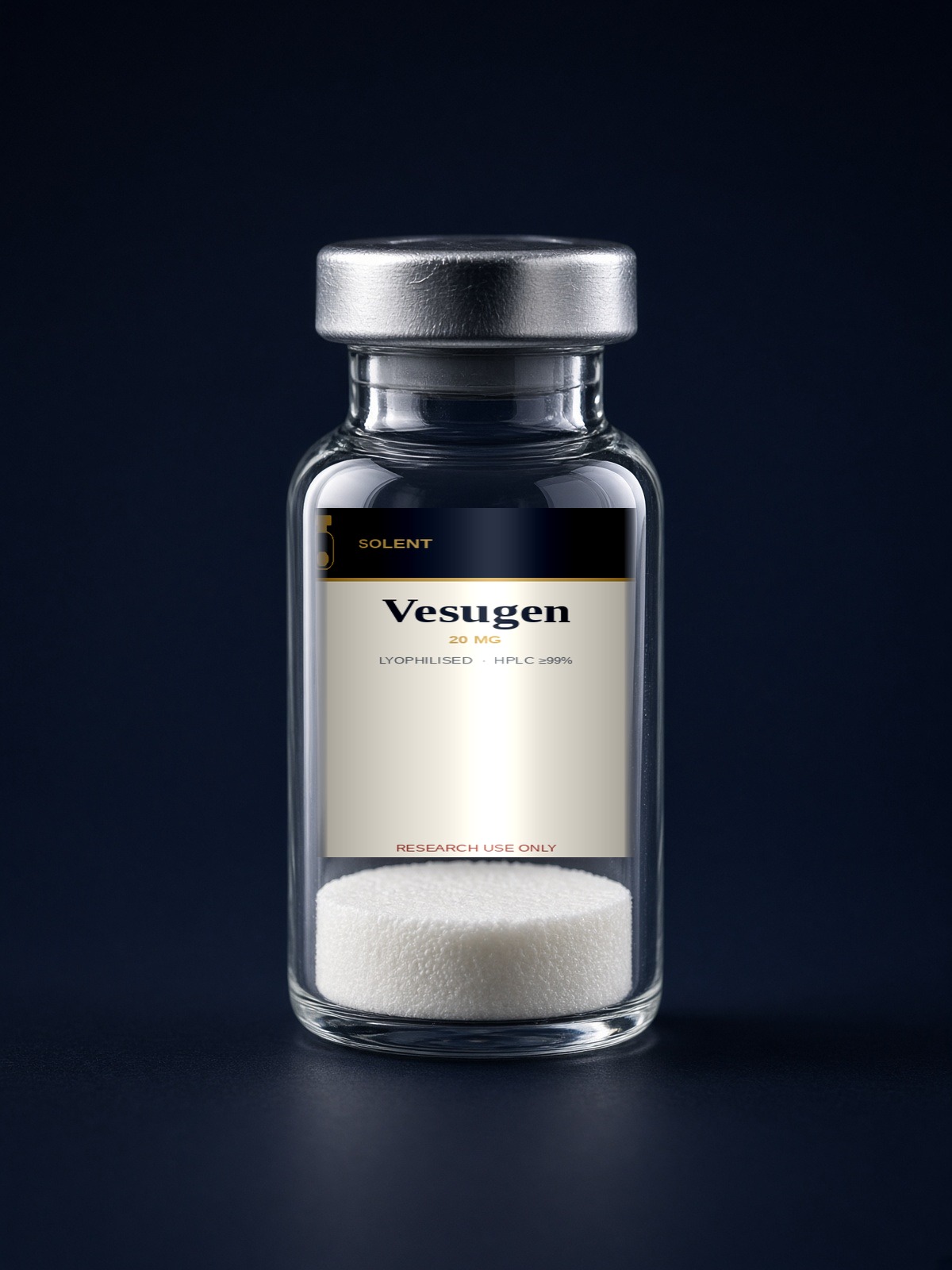
10 mg Pinealon (EDR) research vial. Separate SKU from the 20 mg listing.
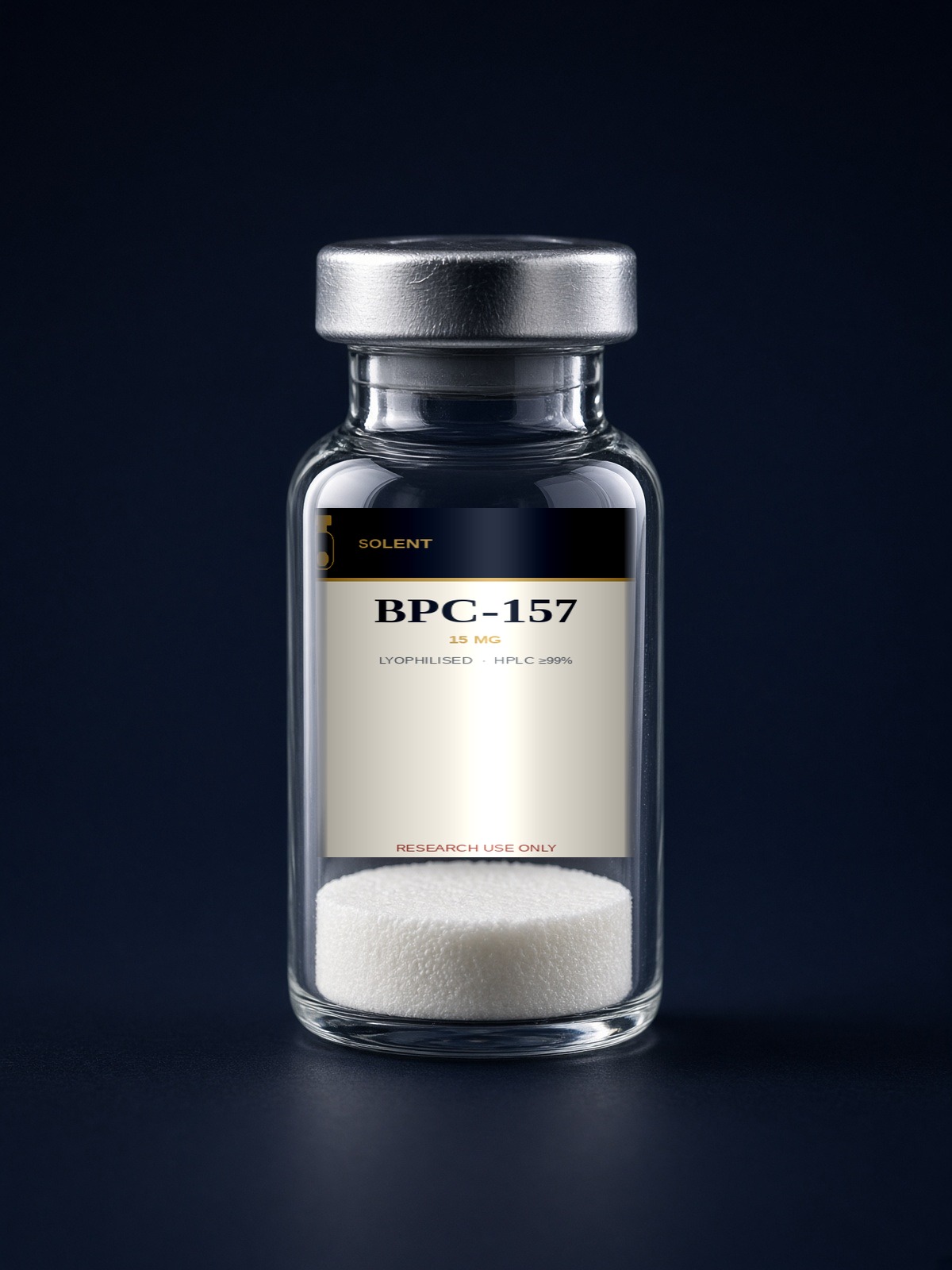
15 mg BPC-157 research vial — the extra size UK catalogues list above 10 mg.
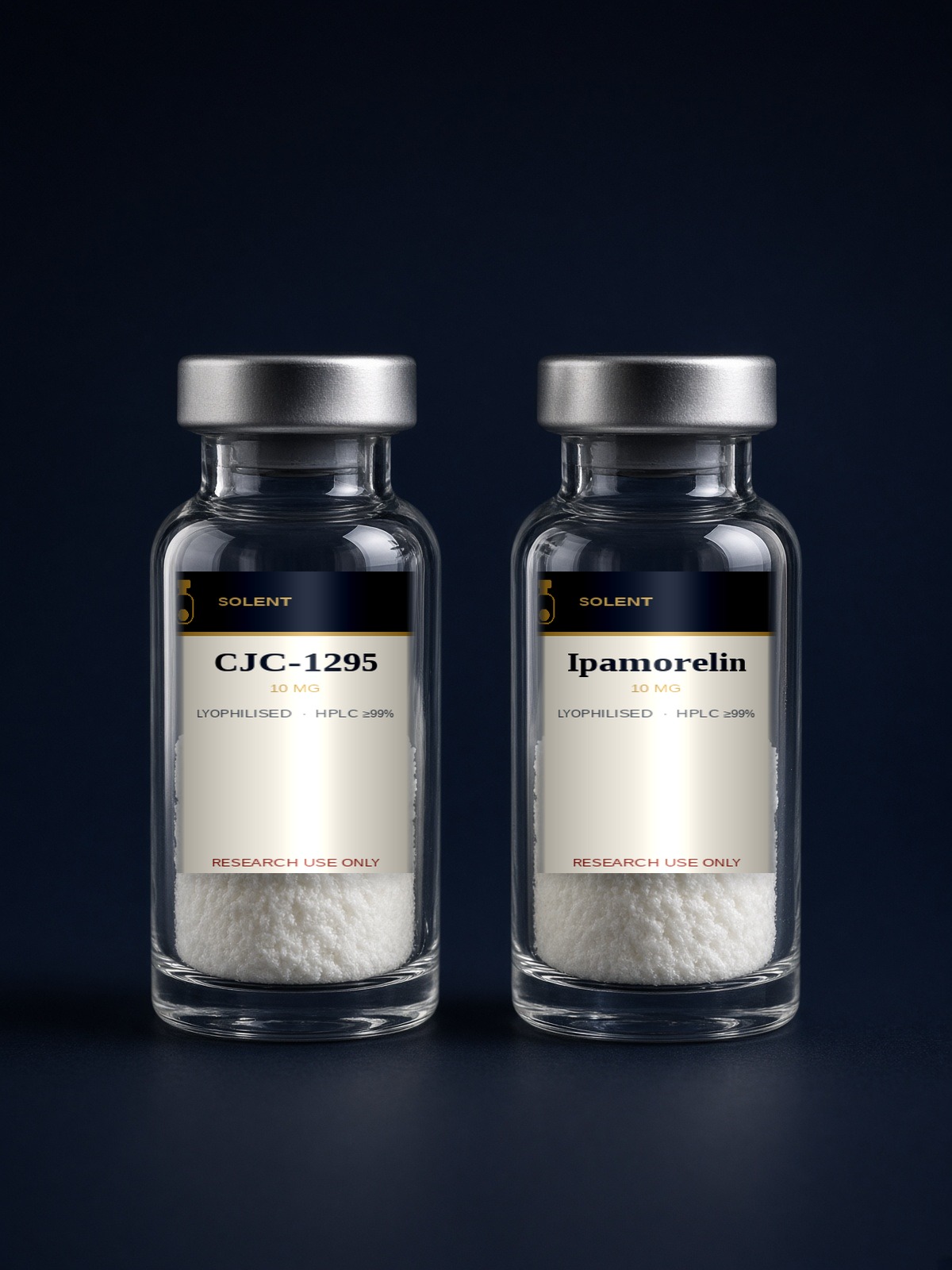
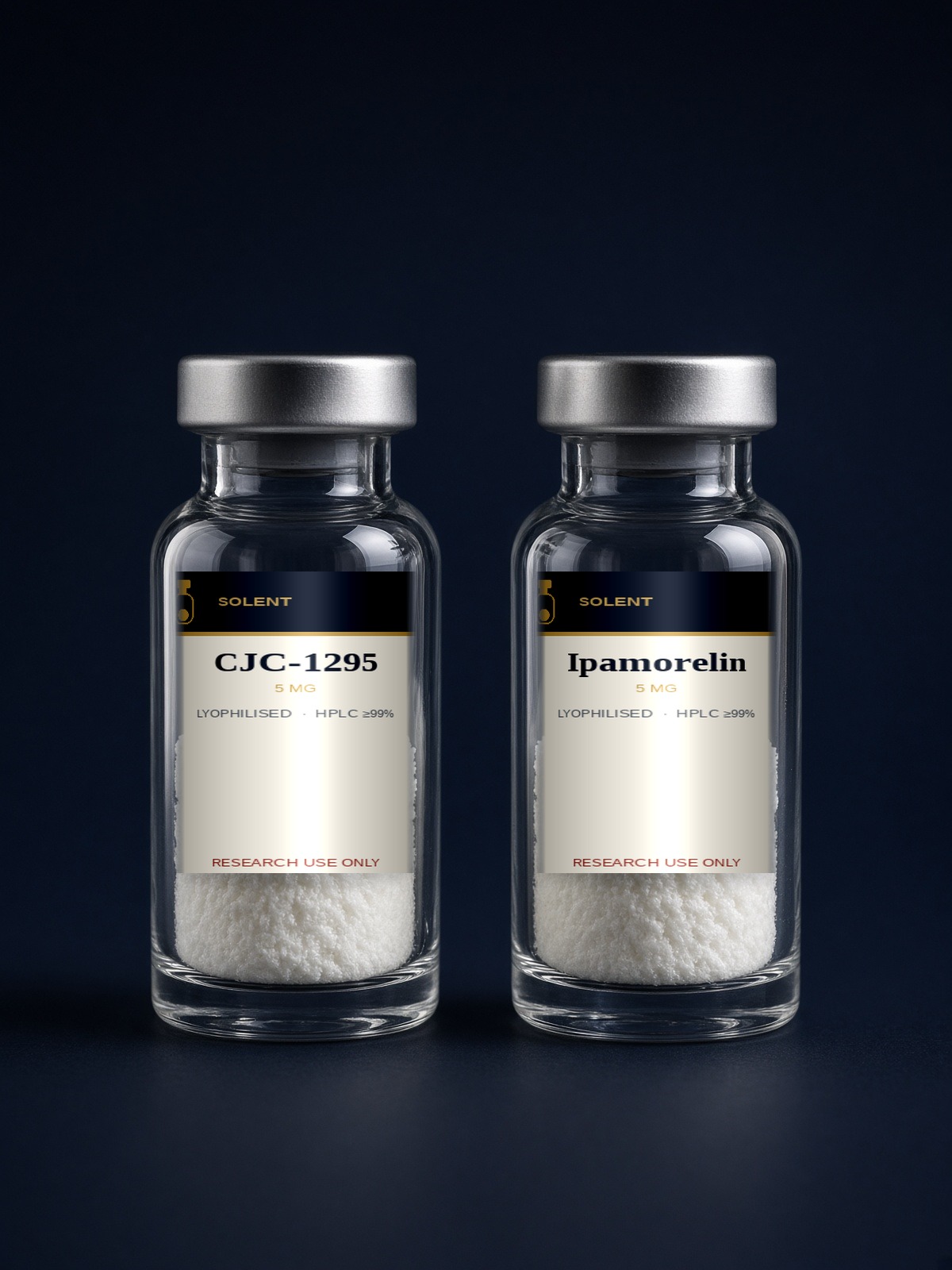
10 mg CJC-1295 (No DAC) and 10 mg Ipamorelin as two separate vials.
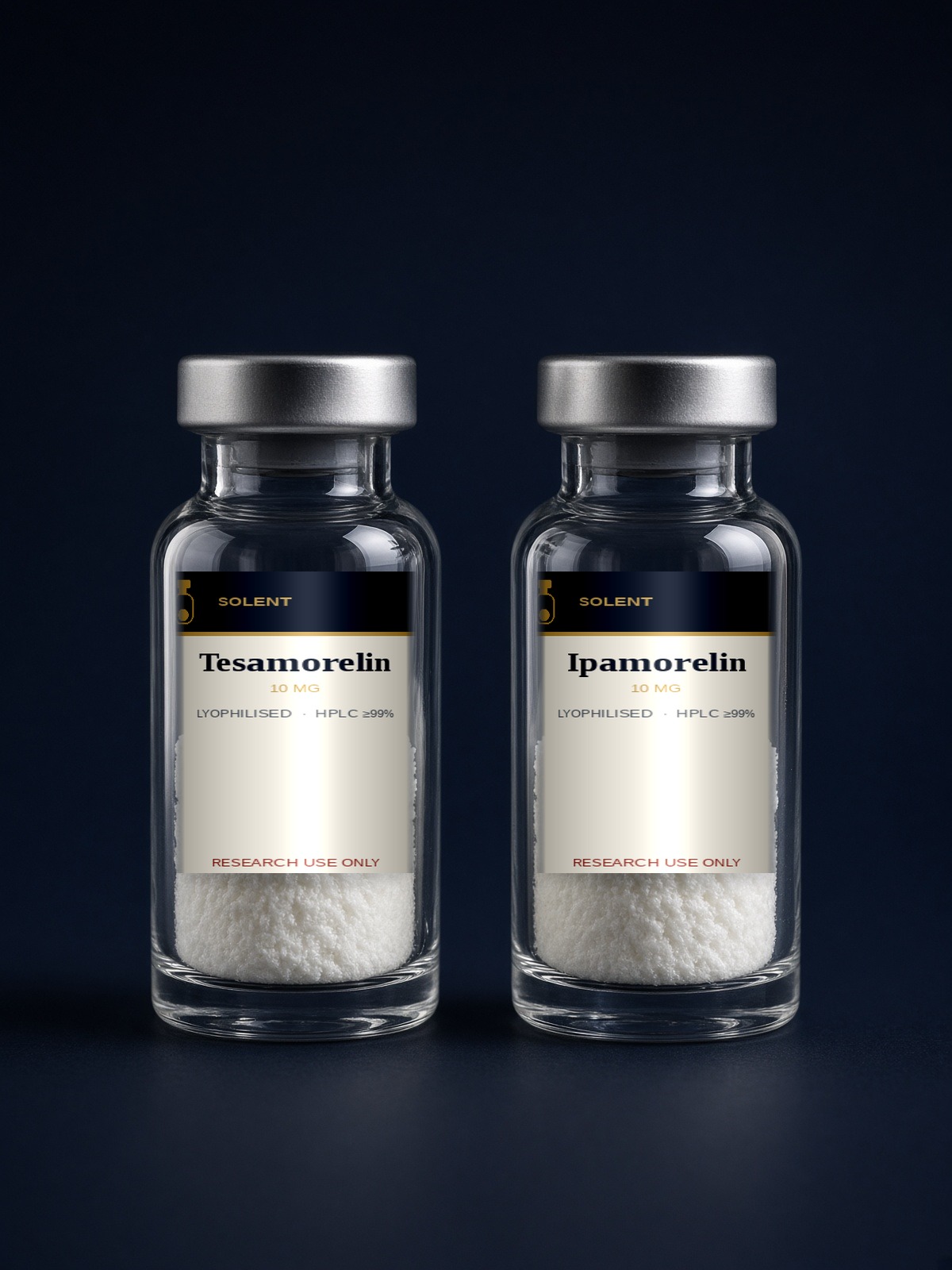
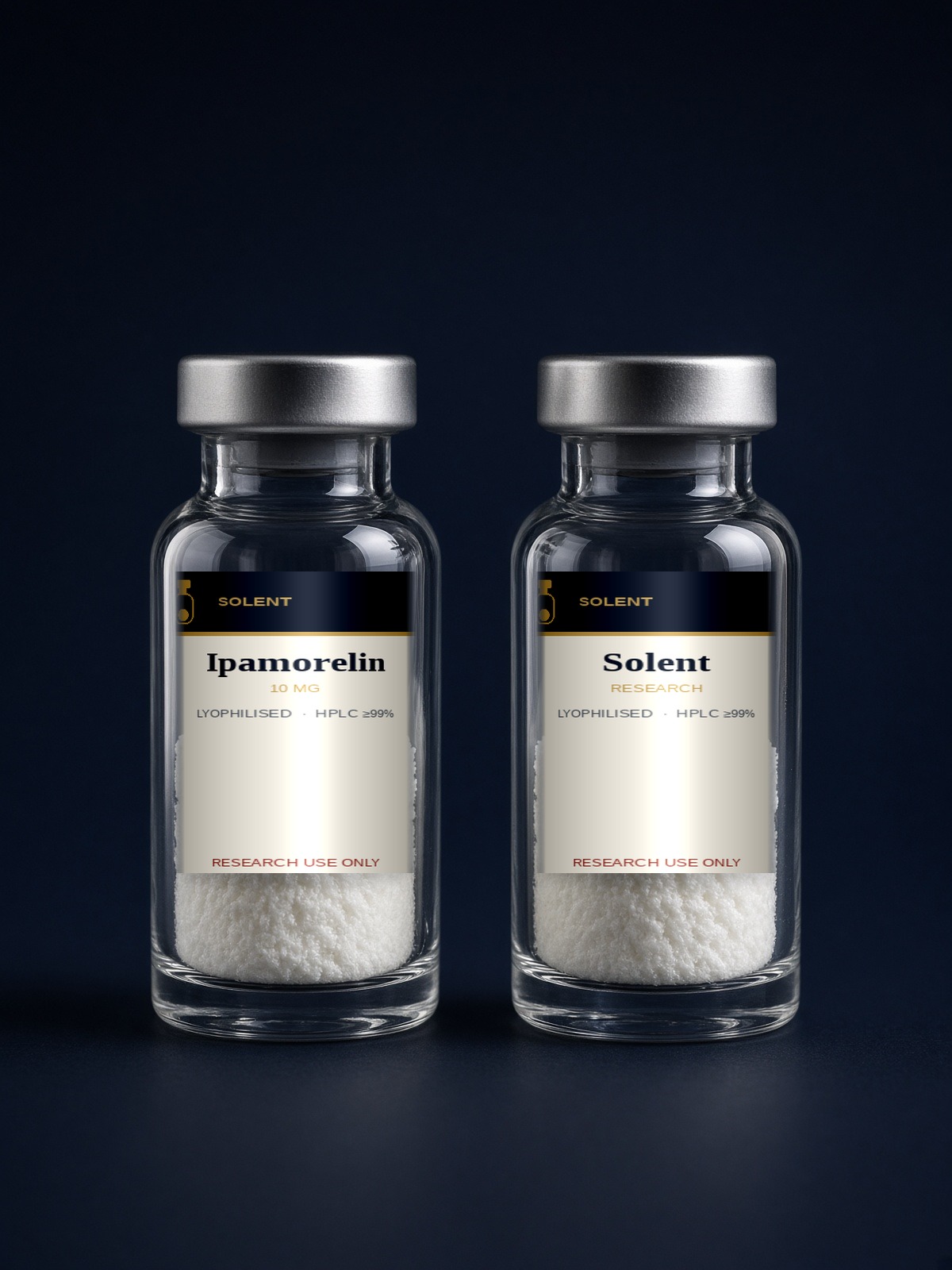
10 mg Tesamorelin and 10 mg Ipamorelin as two separate vials.
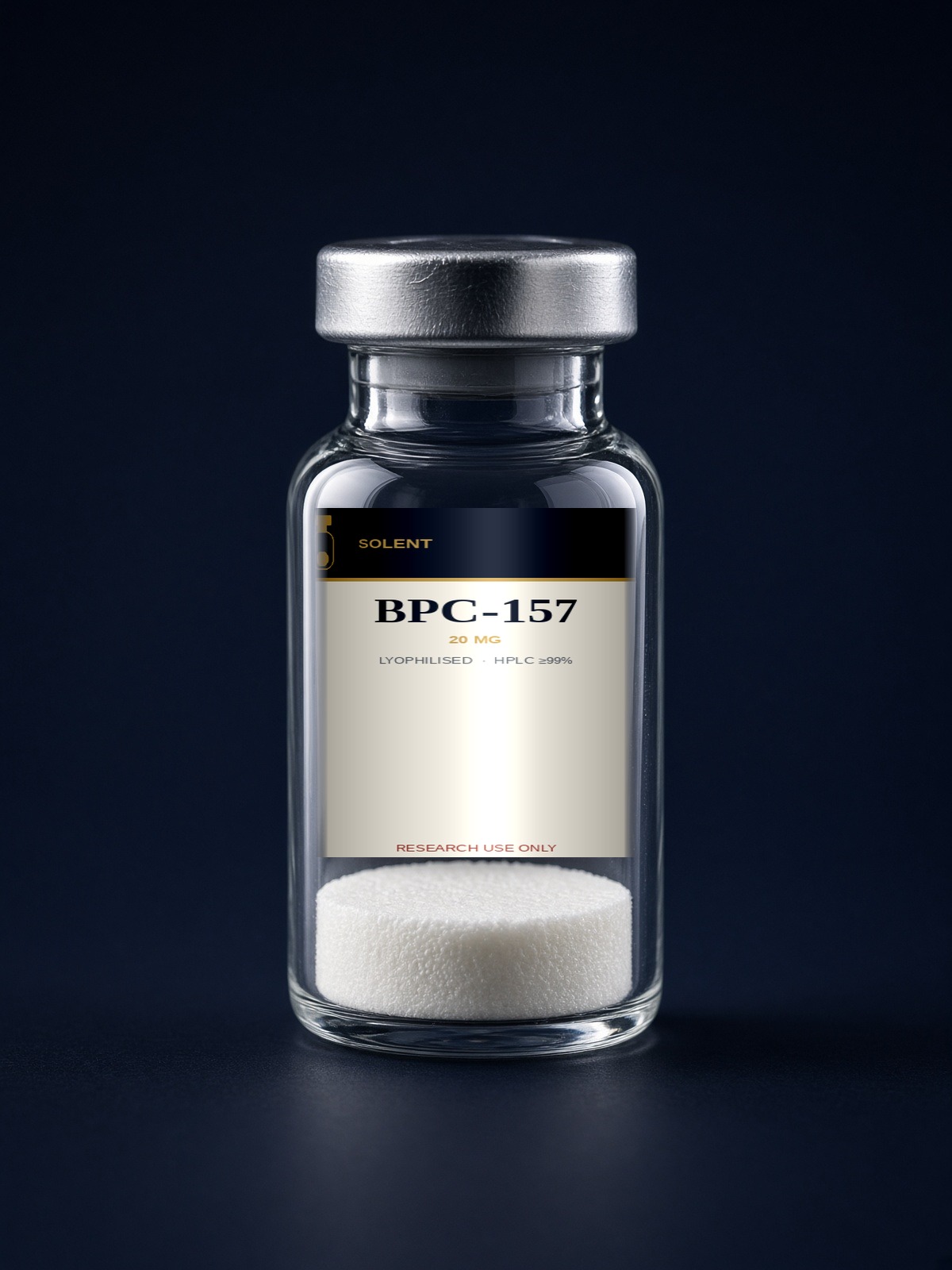
20 mg BPC-157 research vial — the larger aliquot UK HPLC catalogues list above 15 mg.
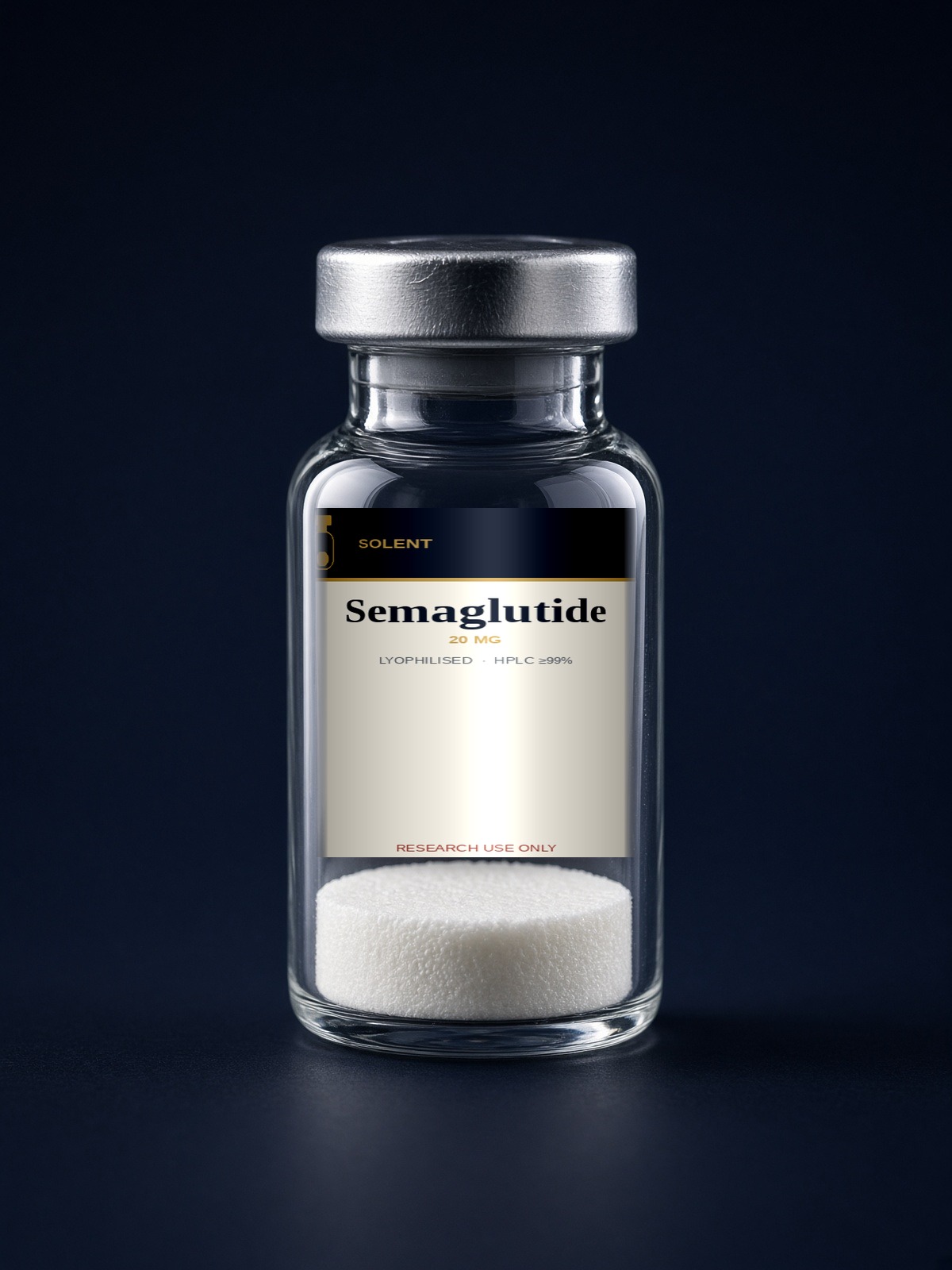
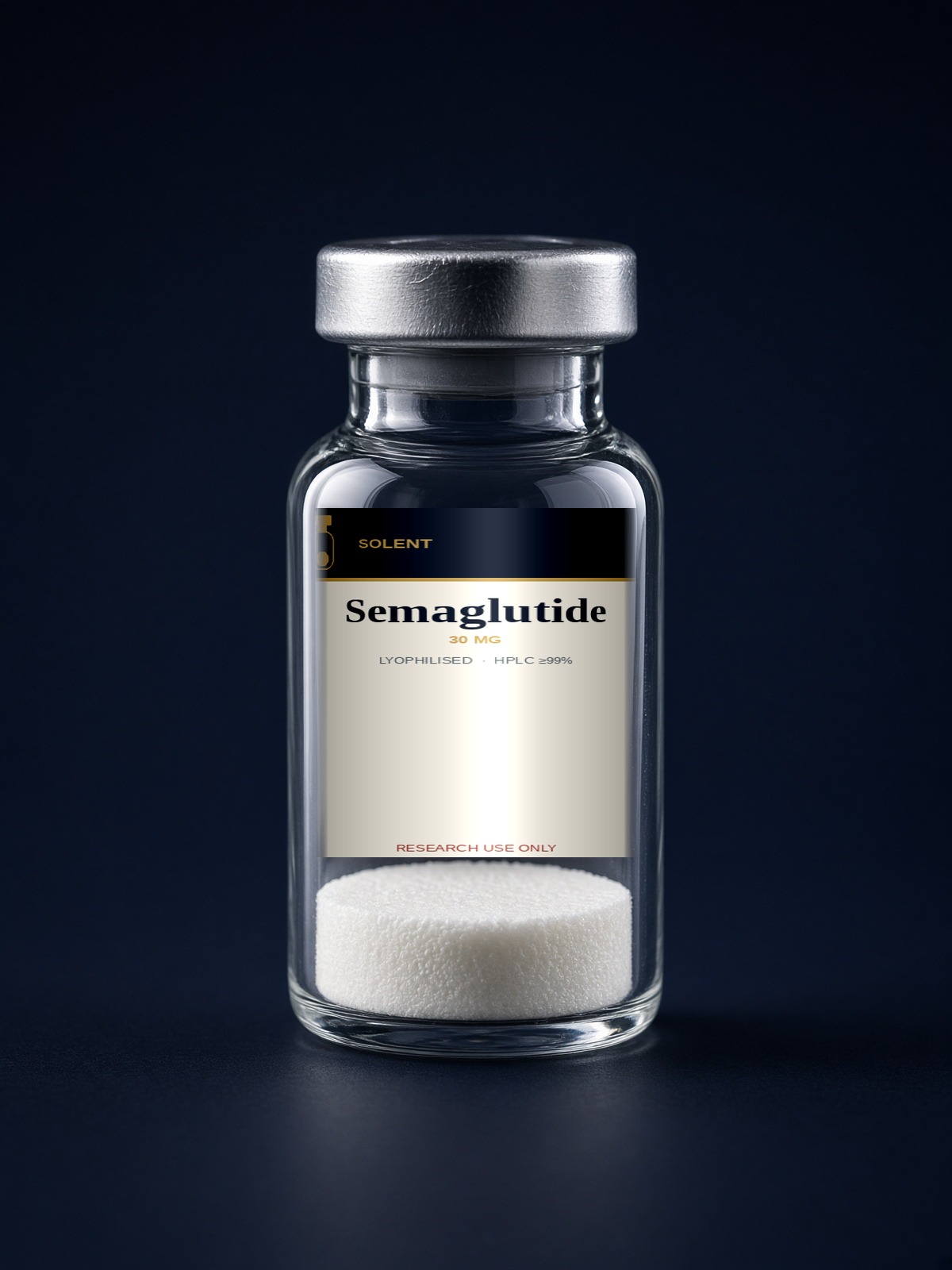
20 mg Semaglutide research vial. Laboratory reference — not Ozempic or Wegovy.
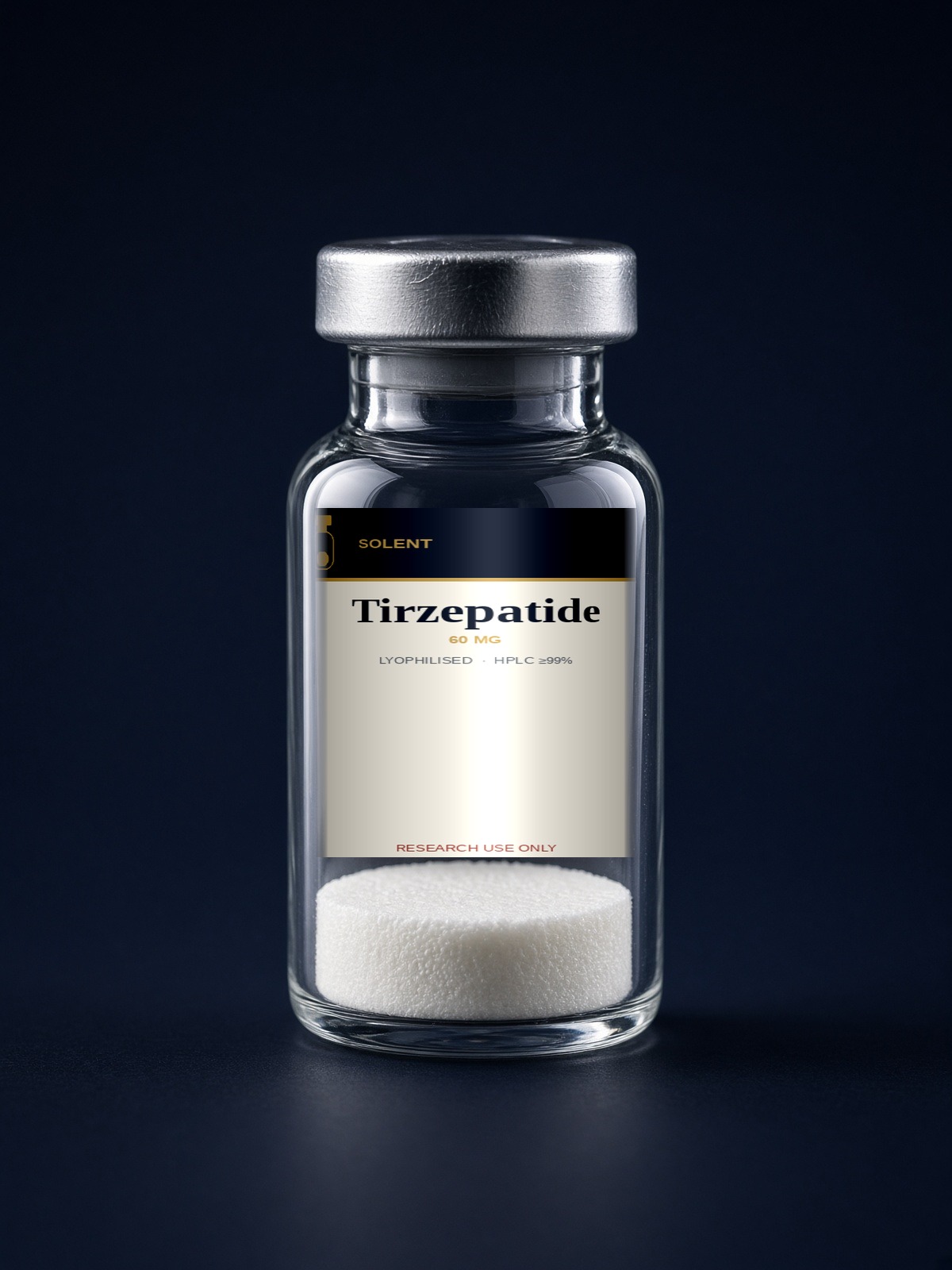
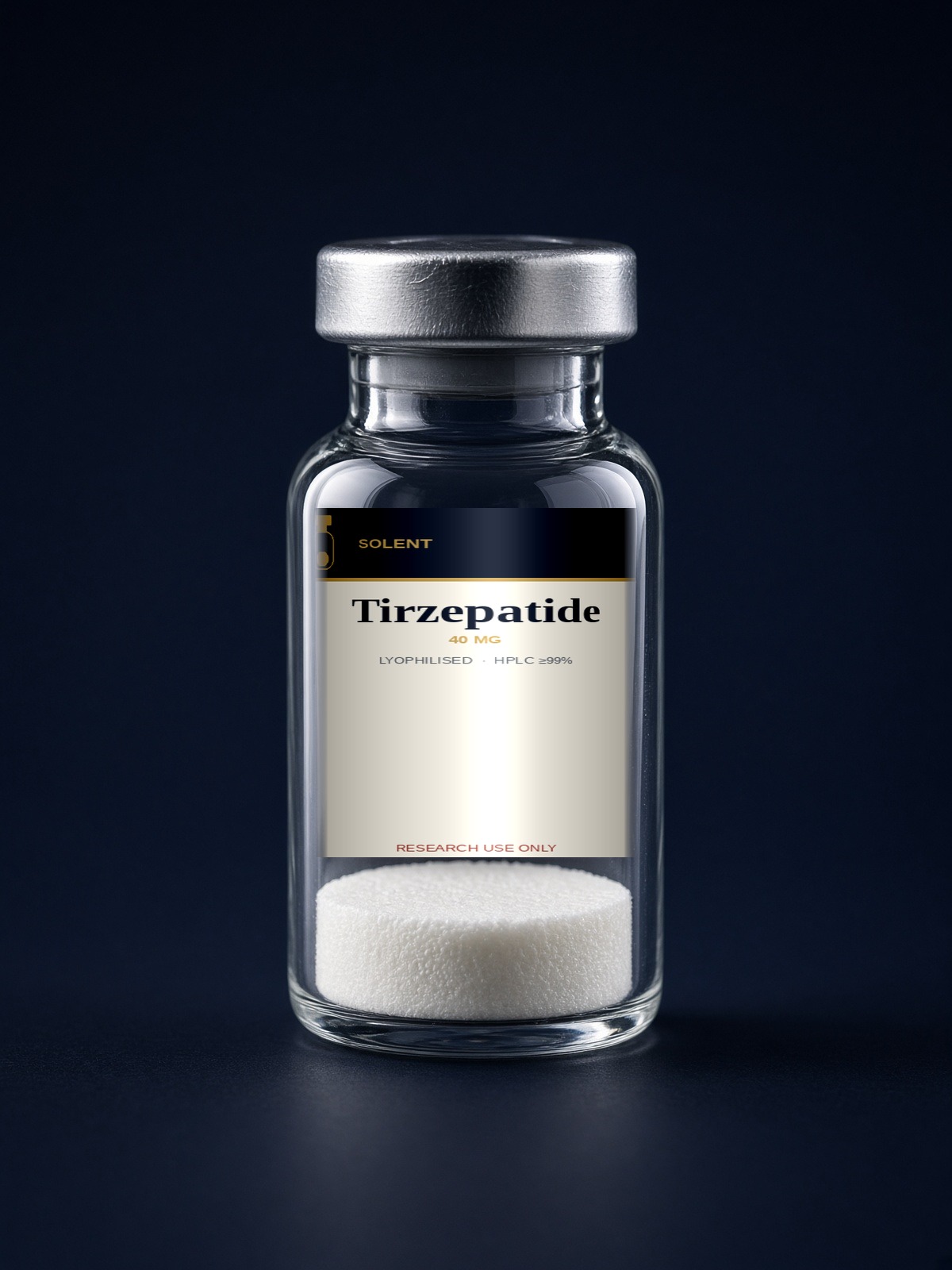
60 mg Tirzepatide research vial. Laboratory use only — not a licensed medicine.
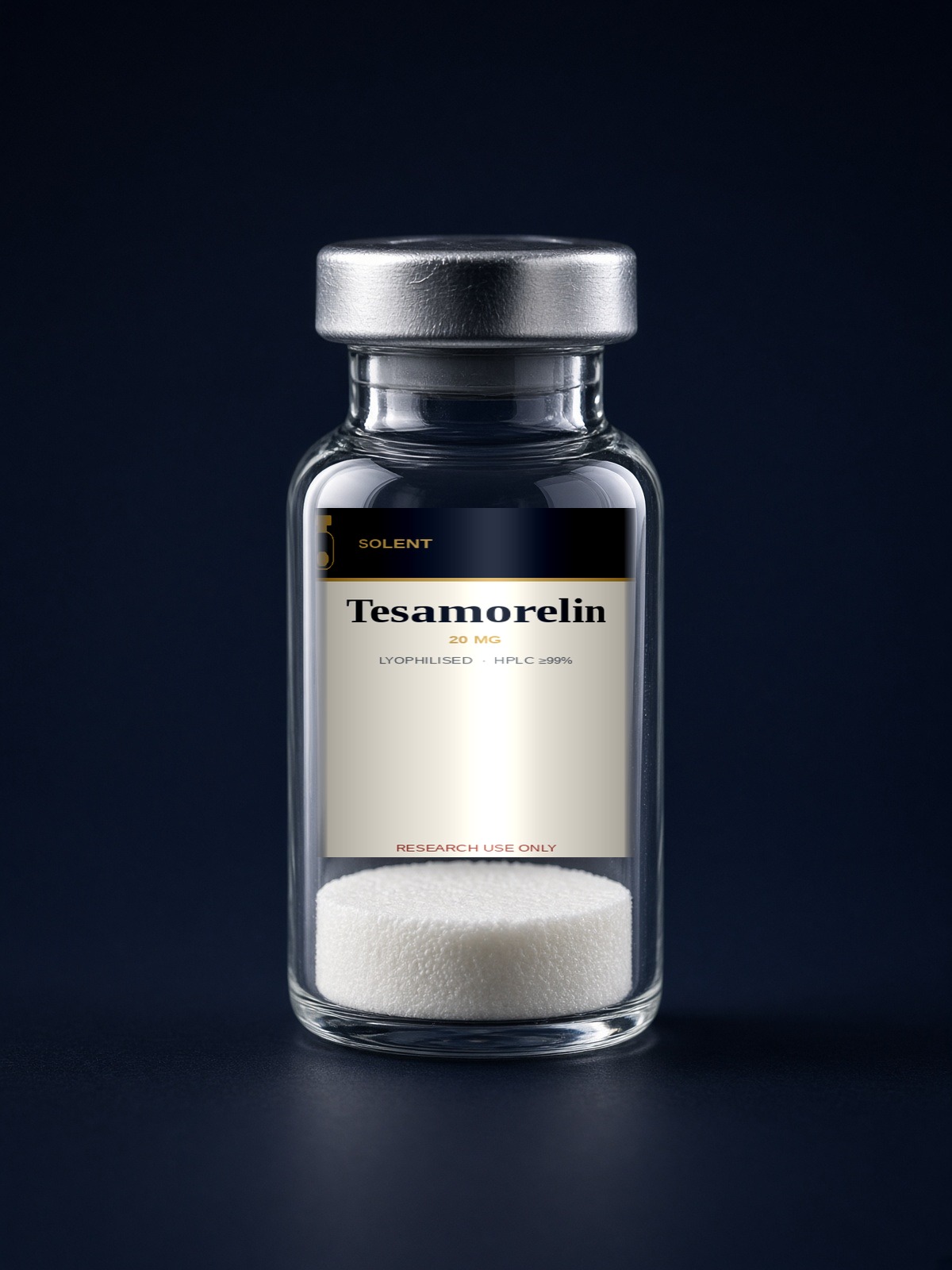
20 mg Tesamorelin (GHRH analogue) research vial. Not recombinant hGH.
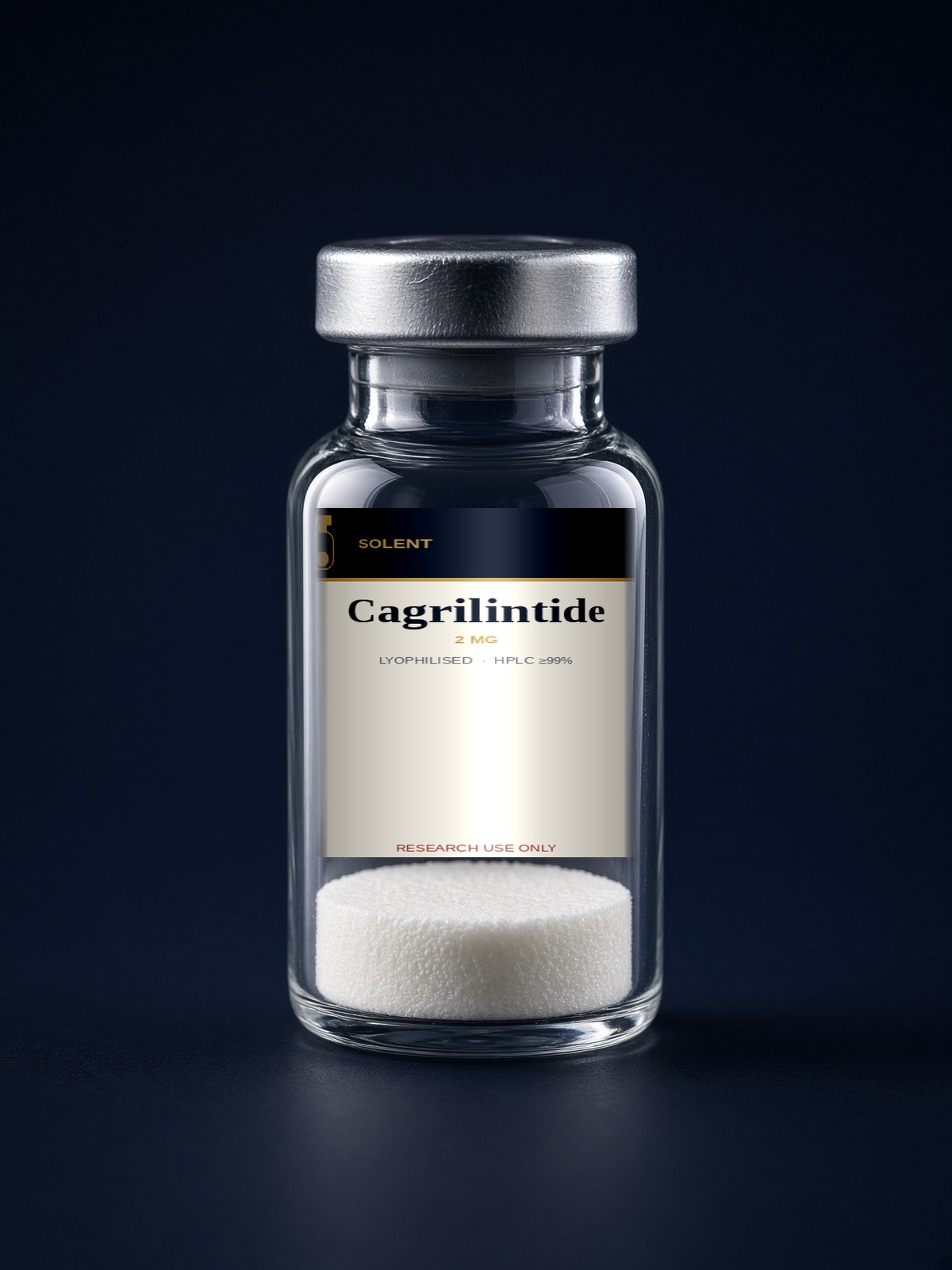
2 mg Cagrilintide research vial for smaller metabolic-pathway assays.