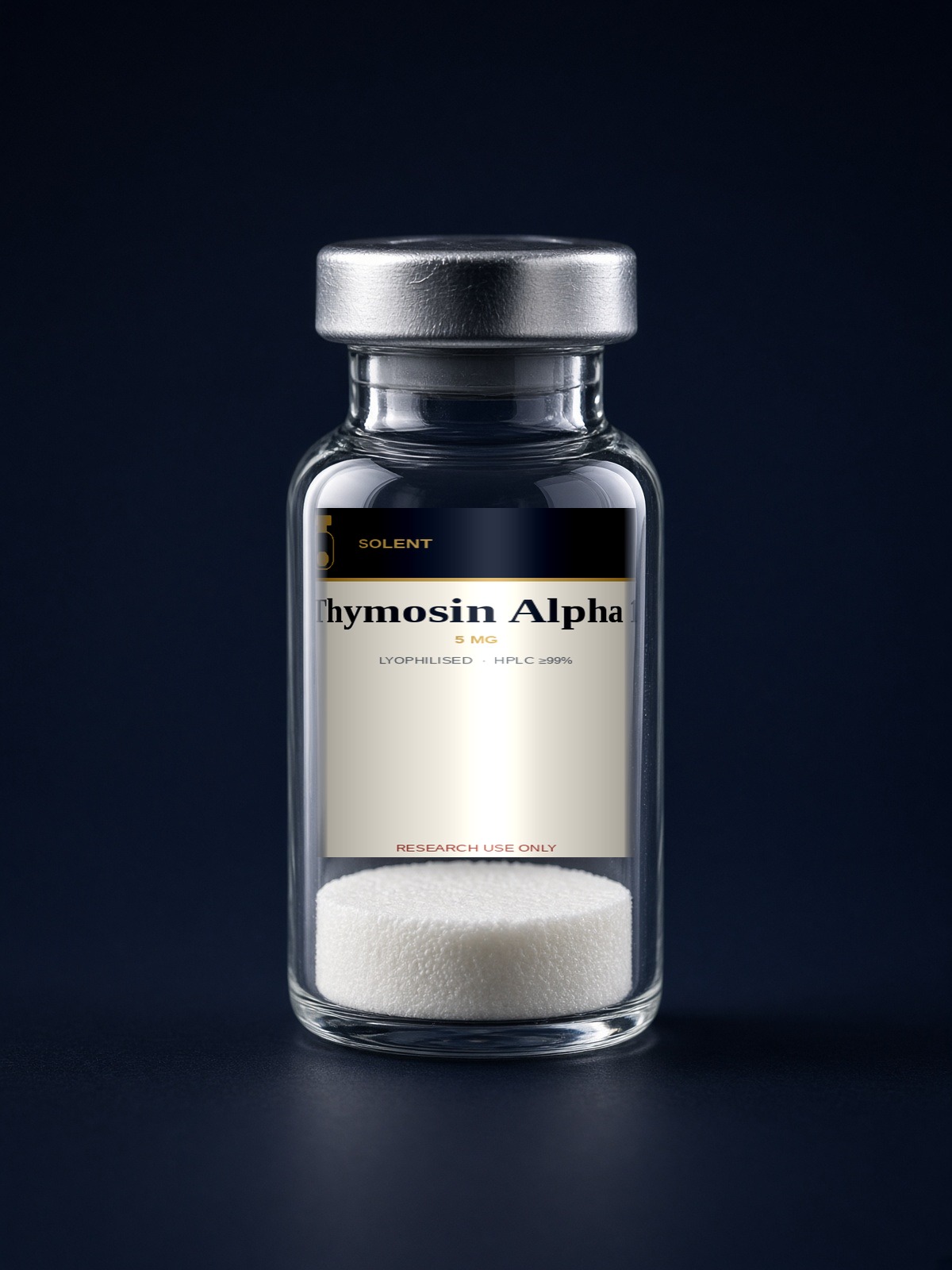
HPLC ≥99%Promotion
A synthetic 28-amino-acid N-terminally acetylated peptide studied in research into Toll-like-receptor signalling and dendritic-cell activation in experimental models.
£29.95£20.00
HPLC ≥99% research peptides · Southampton since 2019 · next-day mainland
GHK-Cu · CAS 89030-95-5 · Tissue Repair
Solent Peptides supplies GHK-Cu 10 mg as a defined research chemical from Southampton. 10 mg GHK-Cu copper tripeptide research vial. Live UK price £11.69 (typical list £12.99). HPLC ≥99% at batch release. Laboratory use only — not a licensed medicine.
Solent Peptides supplies GHK-Cu 10 mg from Southampton as an HPLC ≥99% research chemical. CAS 89030-95-5. Live UK price £11.69. Lot on the vial. Next-working-day mainland dispatch. Laboratory use only — not a licensed medicine. https://www.solentpeptides.co.uk/product/ghk-cu-10mg
| Amount | Live UK price | Typical list | Product |
|---|---|---|---|
| 5 mg | £6.47 | £6.48 | GHK-Cu 5 mg |
| 10 mg | £11.69 | £12.99 | GHK-Cu 10 mg |
| 20 mg | £17.09 | £18.99 | GHK-Cu 20 mg |
| 30 mg | £20.69 | £22.99 | GHK-Cu 30 mg |
| 50 mg | £8.98 | £8.99 | GHK-Cu 50 mg |
| 100 mg | £31.49 | £34.99 | GHK-Cu 100 mg |
10 mg GHK-Cu copper tripeptide research vial. Identity is CAS 89030-95-5. GHK-Cu is listed for laboratory work on cell-migration, matrix and tissue-protection pathways. Literature in this area is experimental; this shop does not claim an outcome in animals or humans.
Catalogue sizes for GHK-Cu: 5 mg, 10 mg, 20 mg, 30 mg, 50 mg, 100 mg. This page is the 10 mg SKU at £11.69. Each size has its own product URL. Typical UK list is shown where we have a compare-at figure. Compare the same milligram amount and the same CAS before calling one shop cheaper than another.
GHK-Cu lots are released at ≥ 99% (HPLC) with identity confirmation against CAS 89030-95-5. The lot number is on the vial. A paper certificate is not currently enclosed in every box. For a paid order, email sales@solentpeptides.co.uk with the order ID or the lot. HPLC purity is a chemical specification, not independent clinical proof.
Orders packed on a weekday before 14:00, payment cleared, typically reach most mainland UK addresses the next working day. No public walk-in counter. Guest checkout. sales@solentpeptides.co.uk · WhatsApp 07380 370380.
GHK-Cu is the copper(II) complex of Gly-His-Lys (copper tripeptide-1), CAS 89030-95-5. Product pages describe identity, HPLC purity, aliquot and dispatch — not skincare, wound outcomes or any human use.
10 mg GHK-Cu copper tripeptide research vial. Public identifier CAS 89030-95-5. Solent Peptides supplies GHK-Cu (10 mg) as a defined lyophilised solid for non-clinical laboratory work, dispatched from Southampton after HPLC identity and purity checks. It is not a medicine, not a food, and not a cosmetic.
GHK-Cu is supplied for in-vitro and non-clinical work on cell-migration, matrix and tissue-protection pathways. Literature in this area is experimental; Solent does not claim any outcome in animals or humans. Use only in a documented laboratory protocol.
Solent Peptides lists GHK-Cu 10 mg for laboratory research from Southampton at £11.69. HPLC ≥99%. Research use only.
5 mg £6.47; 10 mg £11.69; 20 mg £17.09; 30 mg £20.69; 50 mg £8.98; 100 mg £31.49. Live catalogue; promotions can change.
Yes. ≥ 99% (HPLC) at batch release, identity against CAS 89030-95-5. Lot on the vial.
No. GHK-Cu 10 mg is sold as a research chemical, not as a licensed medicine, and not for human or veterinary use.
Not currently as a printed insert in every carton. Email the order ID or vial lot for batch confirmation.
A synthetic 28-amino-acid N-terminally acetylated peptide studied in research into Toll-like-receptor signalling and dendritic-cell activation in experimental models.
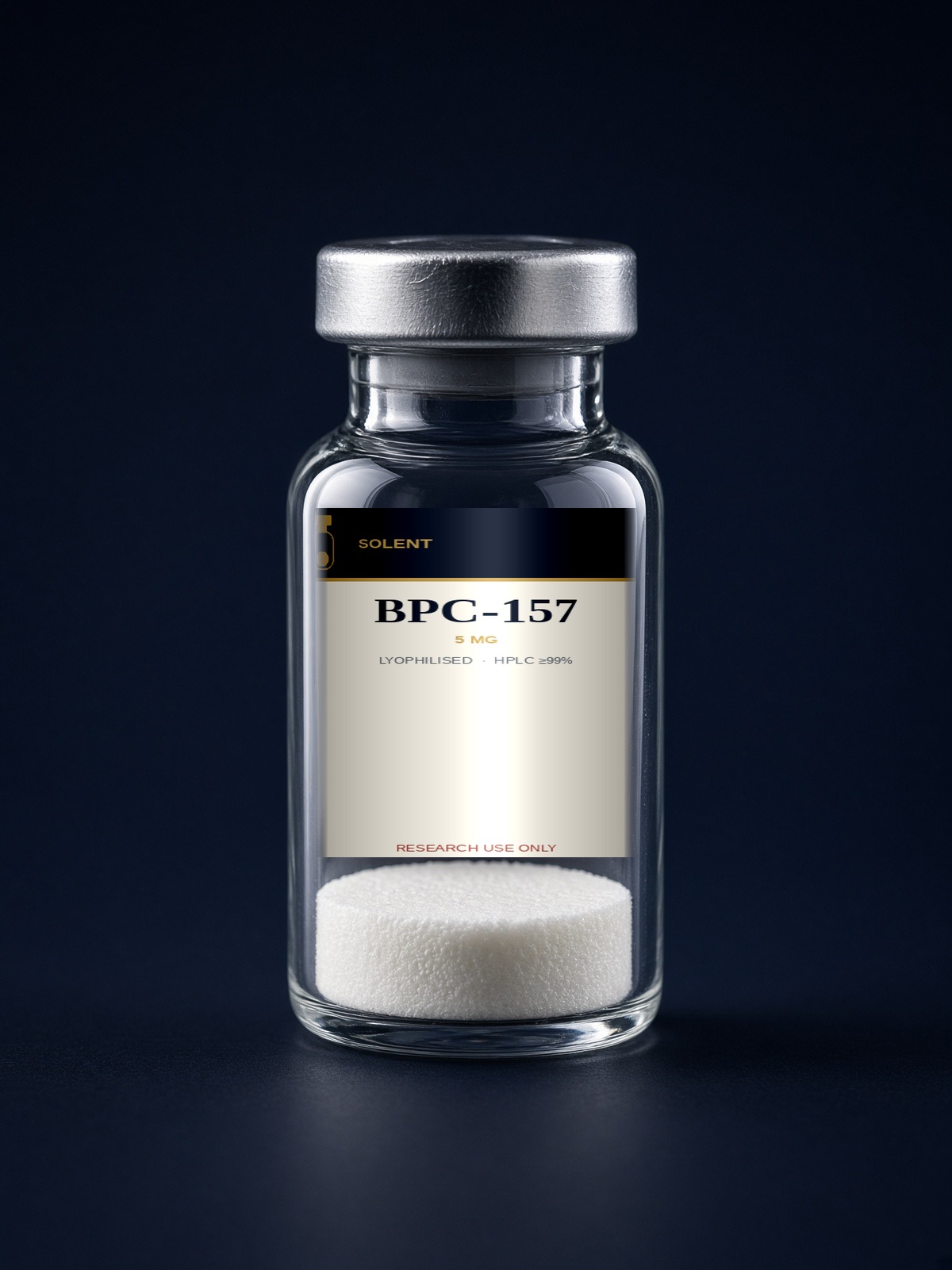
A synthetic pentadecapeptide derived from a gastric-juice protein fragment, studied in experimental models of tissue-protection and angiogenesis pathways.
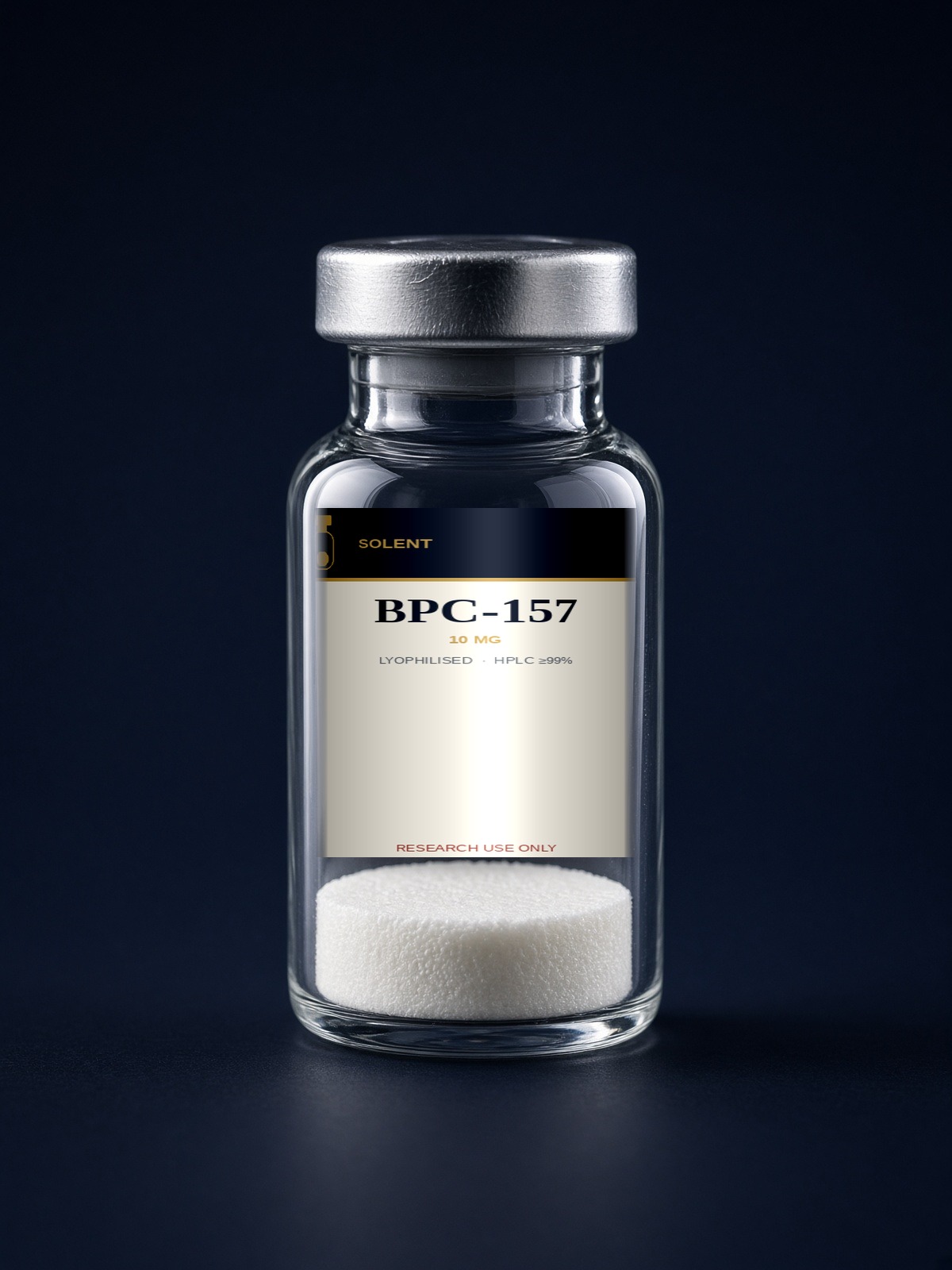
10 mg lyophilised BPC-157 for laboratories that prefer a larger working aliquot of this pentadecapeptide reference material.
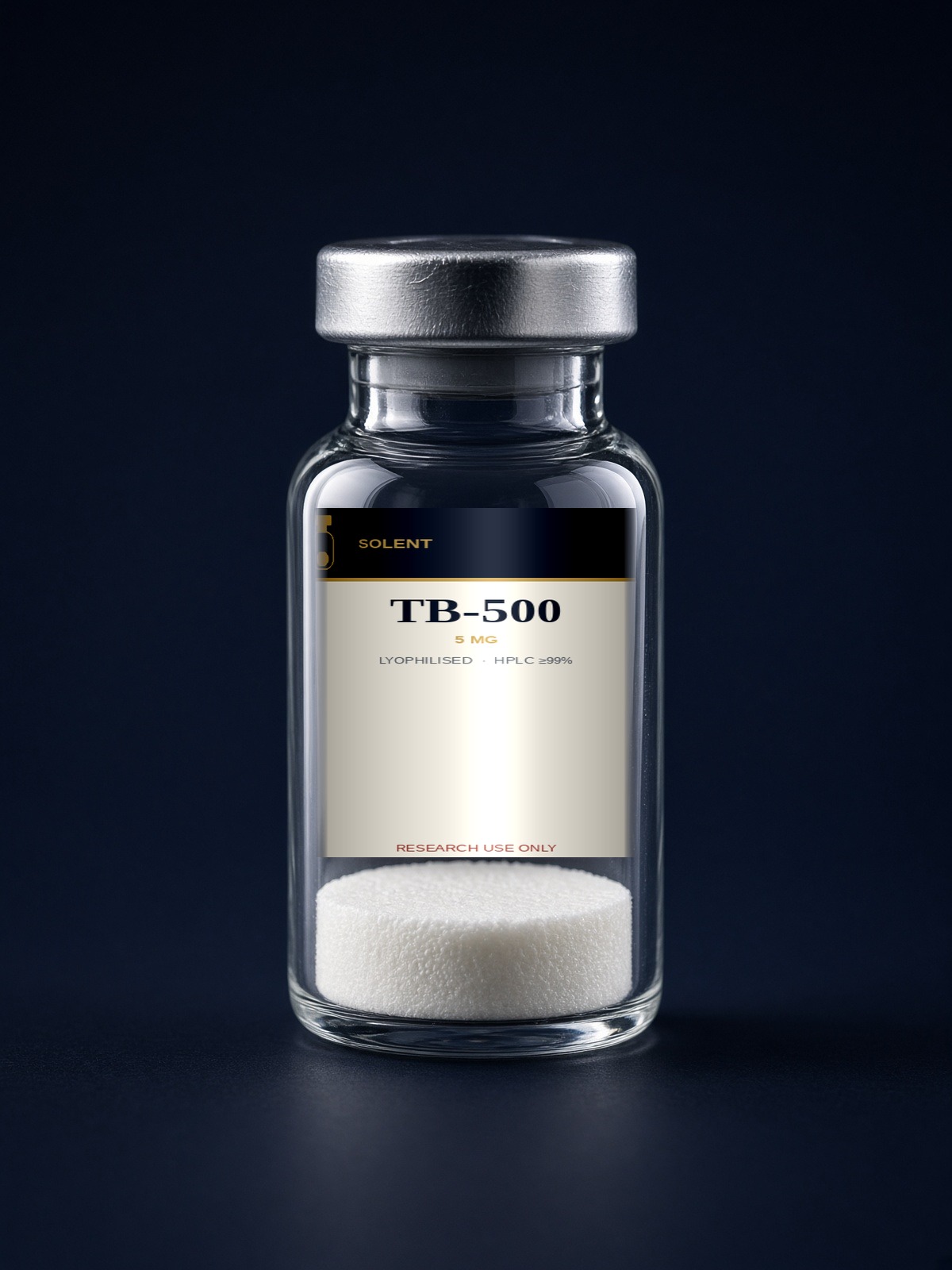
A synthetic fragment of thymosin beta-4 studied in research into actin-binding, cell-migration and tissue-repair pathways in experimental models.